Iran Demands US Meet Conditions Before Reopening Strait of Hormuz
Strait of Hormuz to Remain Blocked Until US Meets Conditions, Iran Warns
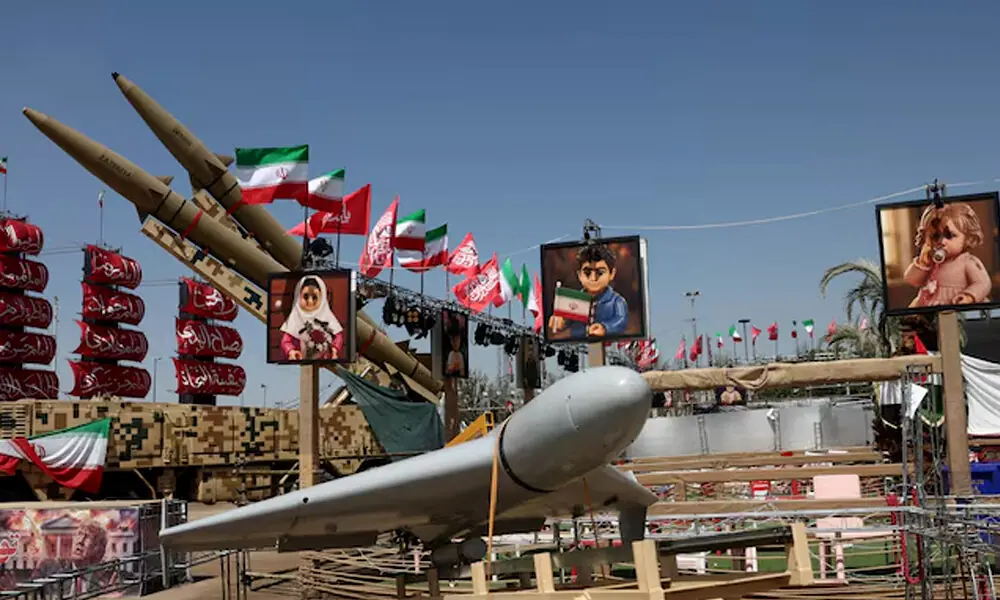
HORMUZ REMAINS CLOSED
Illustration concept: A dramatic wide-angle shot of international cargo vessels anchored near a narrow sea strait at sunset, calm ocean waters, distant mountainous coastline, realistic editorial news photography style.
AI summary
Iran's Supreme National Security Council secretary Mohsen Rezaei stated that the Strait of Hormuz will not reopen until the U.S. meets Tehran's demands to end regional conflict and unfreeze Iranian assets. He clarified that any separate transit talks with Oman would not automatically result in unblocking the strategic shipping corridor.
Why this matters
The Strait of Hormuz serves as one of the world's most essential choke points for global energy supply, handling a significant fraction of international petroleum trade. Extended blockades or heightened risk in the region directly threaten energy markets, driving up global shipping costs and compounding inflation risks. Furthermore, linking the waterway's operational status to broader regional conflicts escalates diplomatic tensions across the Middle East.
Key takeaways
- Iran insists the Strait of Hormuz will remain closed until the U.S. meets specific preconditions.
- Demands include unfreezing Iranian financial assets and ending conflict in Gaza and Lebanon.
- Security official Mohsen Rezaei noted that transit talks with Oman are separate from the main closure.
- Tehran cited non-compliance with a June memorandum of understanding as key to the standoff.
Tehran has reiterated that the strategic Strait of Hormuz will remain inaccessible to international maritime traffic until Washington alters its policy stance and complies with Iranian preconditions aimed at halting ongoing regional hostilities.
According to reports from Business Recorder, Mohsen Rezaei, the newly appointed secretary of Iran's Supreme National Security Council, emphasized that unblocking the vital shipping passage depends entirely on specific American actions. Rezaei, a close ally of Supreme Leader Ayatollah Mojtaba Khamenei, conveyed the stance through the semi-official Tasnim news agency.
Outlining Tehran's specific requirements, Rezaei stated that the United States must bring an end to regional warfare, including military actions in Gaza and Lebanon. In addition to halting hostilities, he asserted that Washington must facilitate the release of Iran's frozen financial assets currently held under international sanctions.
Addressing parallel diplomatic engagements mediated by Oman, Rezaei clarified that potential bilateral arrangements regarding transit protocols through the channel remain distinct from the broader operational blockade. He pointed out that reaching an understanding with Muscat would not independently result in reopening the waterway to global commercial traffic without U.S. compliance.
The stance highlights tension surrounding a memorandum of understanding reached between Washington and Tehran in June, which outlined initial steps toward ending the conflict. Iranian officials maintain that future progress hinges on Washington adhering to the terms set forth in that prior agreement.
Frequently asked questions
- Why is the Strait of Hormuz remaining closed?
- Iran's security council secretary stated the waterway will stay closed until the U.S. changes its posture, unfreezes Iranian assets, and ends military hostilities across the region.
- What conditions did Iran specify for reopening the waterway?
- Iran requires the U.S. to end the broader war—including conflicts in Lebanon and Gaza—and release Iran's frozen assets.
- Do talks between Iran and Oman affect the closure?
- According to Iranian official Mohsen Rezaei, any transit agreements with Oman are distinct matters and will not automatically lift the general closure of the Strait.
Source & transparency
- By:
- The Reviser Desk
- Source:
- Business Recorder
- Original publication:
- Aug 11, 2026, 7:33 PM
- The Reviser publication:
- Aug 11, 2026, 7:33 PM
- Updated:
- Aug 11, 2026, 8:00 PM
This report was independently written by The Reviser editorial desk from verified source material. It is not original on-the-ground reporting by The Reviser.
Related stories
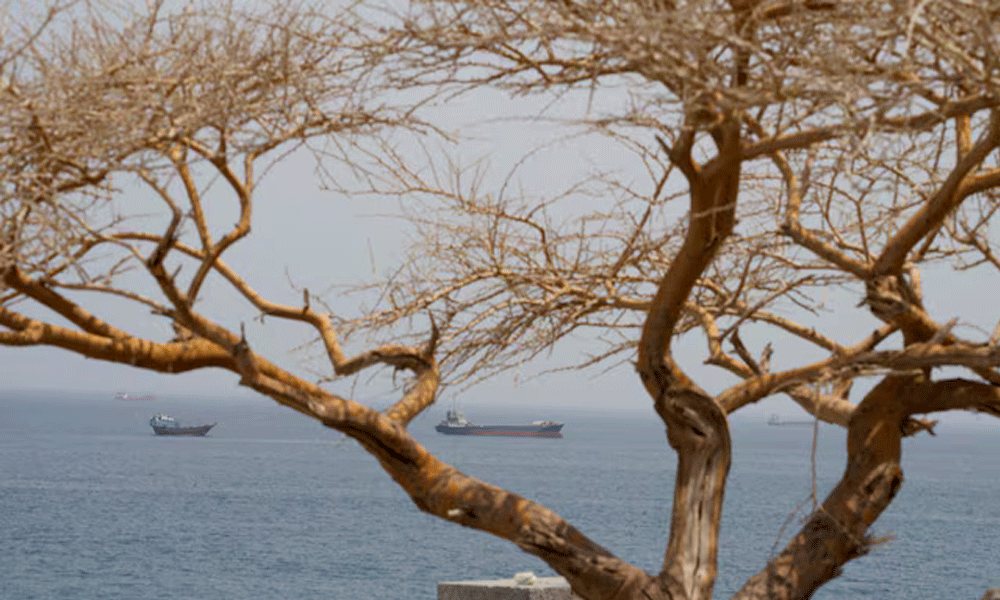
HORMUZ SHIPPING DROPS TO 6
Strait of Hormuz Shipping Drops to Six Ships as Peace Hopes Fade
AI summaryDaily vessel transits through the strategic Strait of Hormuz dropped to just six on Monday, down from a recent 10-day average of 11. Tracking data reveals a sharp contrast with pre-war levels when up to 140 ships navigated the crucial energy corridor daily.
ADNOC OPENS NEW OIL TENDER
ADNOC Issues 8th Spot Crude Tender for Gulf Oil Loading
AI summaryAbu Dhabi National Oil Company has launched its eighth spot crude tender since June, offering Upper Zakum, Umm Lulu, and Das crude for autumn loading. The state energy producer continues utilizing a shuttle fleet to move oil out of the Arabian Gulf past the Strait of Hormuz, having already placed at least 94 million barrels.

OIL SURGES NEAR $88
Crude Prices Surge to Multi-Week Highs Amid US-Iran Deadlock
AI summaryCrude futures reached their highest levels in weeks on Tuesday after peace negotiations between the United States and Iran stalled over new demands from Washington. Meanwhile, Asian equity markets traded quietly as lingering concerns over global inflation continued to weigh on investor sentiment.

RUPEE SLIPS AS OIL RISES
Indian Rupee Drops to Two-Week Low Amid Rising Oil Prices
AI summarySurging crude oil prices driven by escalating tension between the United States and Iran pushed the Indian rupee to a nearly two-week low on Tuesday. Suspected dollar-selling intervention by the Reserve Bank of India prevented steeper losses, leaving the currency at 95.4350 per dollar.