Crude Prices Surge to Multi-Week Highs Amid US-Iran Deadlock
Crude Rallies to Multi-Week Highs as US-Iran Peace Talks Hit Impasse
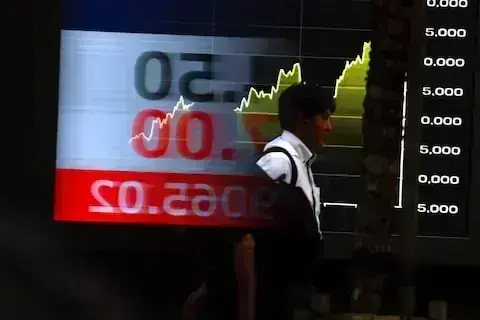
OIL SURGES NEAR $88
Illustration concept: A dramatic wide-angle photo of a massive oil tanker navigating a narrow strait at sunset, overlaid with glowing digital stock chart lines.
AI summary
Crude futures reached their highest levels in weeks on Tuesday after peace negotiations between the United States and Iran stalled over new demands from Washington. Meanwhile, Asian equity markets traded quietly as lingering concerns over global inflation continued to weigh on investor sentiment.
Why this matters
The Strait of Hormuz is a vital maritime route for global energy shipments, meaning any prolonged block or diplomatic deadlock directly risks pushing energy costs higher worldwide. Escalating tensions between Washington and Tehran could also trigger sustained inflationary pressure across import-dependent Asian economies.
Key takeaways
- Brent crude climbed to $88.00 per barrel and US crude rose to $82.45, marking their highest levels since July 31.
- Negotiations between the US and Iran over a peace deal and the reopening of the Strait of Hormuz have reached a standstill.
- US President Donald Trump demanded Iran pay compensation for victims of conflicts and protests, adding new friction to talks.
- Asian stock markets drifted as investors weighed persistent uncertainties regarding the global inflation outlook.
Global oil benchmark contracts extended their upward momentum on Tuesday, driven by stalled diplomatic efforts between the United States and Iran regarding a potential peace agreement and the reopening of the Strait of Hormuz.
According to reports published by Business Recorder, Brent crude futures rose to $88.00 per barrel, while US West Texas Intermediate crude increased to $82.45 per barrel. Both benchmarks climbed to their highest levels since July 31, building on gains from a strong rally of approximately 5% during the previous trading session.
Tensions escalated following statements from US President Donald Trump on Monday, in which he responded to Tehran's proposed conditions by demanding financial compensation for victims killed in conflicts, attacks, and protests. The heightened rhetoric has further complicated negotiations to restore traffic through the critical shipping corridor.
Alongside the surge in energy markets, stock indices across Asia experienced subdued trading. Investors remained cautious amidst ongoing uncertainty regarding the broader global inflation outlook and its potential impact on central bank policies.
Frequently asked questions
- Why did oil prices rise sharply?
- Prices rose as diplomatic negotiations between the US and Iran hit a stalemate, raising concerns over maritime transit through the Strait of Hormuz.
- What conditions did the US President add to the negotiations?
- US President Donald Trump demanded that Iran provide financial compensation for individuals killed in past wars, attacks, and protests.
- How did Asian stock markets react to these geopolitical developments?
- Asian equities traded cautiously with minimal momentum, largely restrained by lingering uncertainty over global inflation trends.
Source & transparency
- By:
- The Reviser Desk
- Source:
- Business Recorder
- Original publication:
- Aug 11, 2026, 2:54 AM
- The Reviser publication:
- Aug 11, 2026, 2:54 AM
- Updated:
- Aug 11, 2026, 3:01 AM
This report was independently written by The Reviser editorial desk from verified source material. It is not original on-the-ground reporting by The Reviser.
Related stories

INDIAN BONDS EYE INFLATION DATA
Indian Bond Market Awaits Local and US Inflation Data
AI summaryIndian sovereign bonds are expected to start the week on a firm note ahead of crucial inflation releases from both India and the United States. Softening US Treasury yields following weak non-farm payroll data have fueled expectations of easier global monetary policy.
FUEL PRICES HELD STEADY
Pakistan Maintains Petrol and Diesel Rates on August 11
AI summaryPakistani authorities have maintained domestic fuel tariffs for Tuesday, August 11, following a hiatus in global Platts pricing data updates. Consequently, retail prices for petrol and high-speed diesel remain at Rs327.62 and Rs380.86 per litre, respectively.
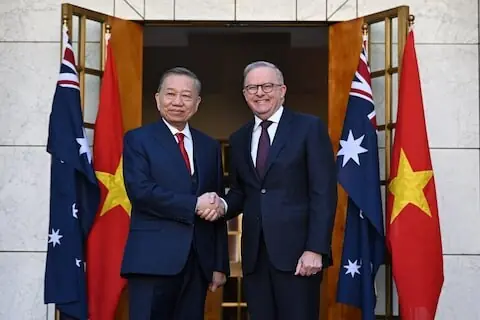
TRADE DEALS DEEPENED
Australia and Vietnam Build Clean Energy Trade Ties
AI summaryAustralian Prime Minister Anthony Albanese and visiting Vietnamese President To Lam announced plans to strengthen their nations' comprehensive strategic partnership. The two leaders pledged cooperation on clean energy, semiconductors, and critical minerals while raising concerns over restrictive trade practices.
US IRAN CONFLICT ANALYSIS
US-Iran Escalation: Geopolitical Risks and Regional Impact
AI summaryPolitical commentary from Washington Post Opinions highlights growing debate surrounding potential armed conflict between the United States and Iran. The evolving situation presents major strategic challenges for Middle Eastern security and global energy markets.