Solar Eclipse and Perseid Meteor Shower Due Next Week
Deep Partial Solar Eclipse and Perseid Meteor Shower Set to Light Up Sky Next Week
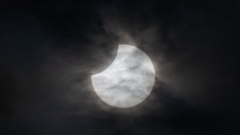
DOUBLE SKY SHOW NEXT WEEK
Illustration concept: A scenic split view showing a dramatic partial solar eclipse over an Irish coastal landscape beside a dark night sky filled with glowing Perseid meteor streaks.
AI summary
Astronomy enthusiasts are preparing for a rare double celestial spectacle scheduled for next week. A significant partial solar eclipse will obscure much of the sun before the annual Perseid meteor shower reaches its maximum activity.
Why this matters
Back-to-back major astronomical phenomena offer a rare opportunity for amateur stargazers and professional scientists alike. Events like deep partial solar eclipses and peak meteor showers draw heightened public engagement with space science and observational astronomy.
Key takeaways
- Next week features a double celestial spectacle with a partial solar eclipse and the Perseid meteor shower peak.
- A deep partial solar eclipse will obscure a significant portion of the sun across the island of Ireland.
- The Perseid meteor shower will reach its maximum activity shortly after the solar event.
- Proper eye protection is critical for viewing the solar eclipse safely, while meteor observing requires only dark surroundings.
Skywatchers are preparing for a rare double alignment of celestial spectacles taking place next week, according to BBC Science. Stargazers will first experience a deep partial solar eclipse, followed shortly by the annual maximum of the Perseid meteor shower.
The upcoming solar event will see a substantial portion of the sun obscured by the moon, creating a dramatic partial eclipse visible across Ireland and surrounding regions. Observational conditions will depend heavily on local cloud cover during the daytime passage.
Following the solar blackout, night skies will feature the high point of the Perseid meteor shower. Known as one of the most reliable and intense meteor displays of the year, the Perseids routinely produce dozens of shooting stars per hour during their peak.
Astronomers advise observers planning to watch the solar eclipse to use certified protective eyewear or projection methods, as viewing the sun directly without proper filters causes permanent eye damage. Meanwhile, viewing the Perseid shower requires no special equipment, just clear, dark skies away from urban light pollution.
Frequently asked questions
- What celestial events are happening next week?
- A deep partial solar eclipse will take place, followed shortly after by the peak activity of the Perseid meteor shower.
- Is it safe to look at the partial solar eclipse directly?
- No, observing any solar eclipse without certified eclipse glasses or safe indirect viewing techniques can cause severe, permanent eye damage.
- Where can these astronomical events be seen?
- According to BBC Science, the deep partial solar eclipse will be visible across the island of Ireland, weather permitting, alongside other regional viewing locations.
Source & transparency
- By:
- The Reviser Desk
- Source:
- BBC Science
- Original publication:
- Aug 9, 2026, 5:19 AM
- The Reviser publication:
- Aug 9, 2026, 5:19 AM
- Updated:
- Aug 10, 2026, 8:32 AM
This report was independently written by The Reviser editorial desk from verified source material. It is not original on-the-ground reporting by The Reviser.
Related stories
STARGAZING NIGHT AUGUST 12
August 12 Marked as Top Stargazing Date of the Year
AI summaryAugust 12 has been highlighted as one of the premier dates for celestial viewing this year. According to reports from BBC Science, skywatchers can expect some of the year's top astronomical highlights on this night.
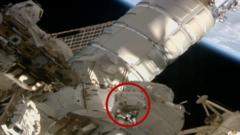
ISS SPACEWALK COMPLETED SUCCESSFULLY
ISS Power System Upgraded After 6.5-Hour Spacewalk
AI summaryAstronauts Anil Menon and Jessica Meir completed a six-and-a-half-hour spacewalk outside the International Space Station. The mission involved installing mounting hardware necessary for future solar array additions.

AUSTRALIA WILDLIFE EXTINCTION CRISIS
Australia Faces Biodiversity Crisis Amid Extinction Threat
AI summaryAustralia is experiencing a severe loss of its distinct native wildlife, cementing its position as a global hotspot for species extinction. Despite the accelerating decline, ongoing conservation efforts surrounding key native animals offer a path toward ecological recovery, according to reports from BBC Science.
HOSEPIPE BANS IN EFFECT
Drought Triggers Hosepipe Bans for Over 20 Million Homes
AI summaryMillions of residents are facing mandatory water use restrictions following an official drought declaration. Increased consumer demand combined with prolonged low rainfall has prompted hosepipe bans affecting over 20 million households.