Australia Faces Biodiversity Crisis Amid Extinction Threat
Unique Species at Risk as Australia Battles Extinction Crisis
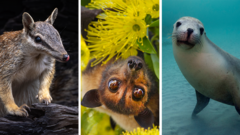
AUSTRALIA WILDLIFE EXTINCTION CRISIS
Illustration concept: A cinematic landscape shot of the Australian outback at dawn, showing subtle native wildlife in a dense natural environment, realistic photography, soft morning light.
AI summary
Australia is experiencing a severe loss of its distinct native wildlife, cementing its position as a global hotspot for species extinction. Despite the accelerating decline, ongoing conservation efforts surrounding key native animals offer a path toward ecological recovery, according to reports from BBC Science.
Key takeaways
- Australia is recognized as a global hotspot for wildlife extinction.
- The continent is home to some of the world's most distinct endemic species.
- Accelerated loss of native fauna is raising serious ecological concerns.
- Conservation efforts centered on key native animals offer potential solutions for habitat recovery.
Australia's distinct ecosystem, celebrated globally for its high concentration of endemic wildlife, is confronting a profound biodiversity crisis. Unprecedented rates of habitat loss and environmental pressures have positioned the continent at the center of the world's extinction struggle.
Reports from BBC Science highlight that native populations are diminishing at a rate that alarms environmental experts worldwide. The unique evolutionary history of Australian fauna leaves many endemic creatures exceptionally vulnerable to sudden disruptions in their habitats.
Despite the severe losses documented across various ecosystems, environmentalists note that targeted preservation initiatives surrounding resilient native species provide a potential blueprint for recovery. These efforts demonstrate that focused intervention can help stem the tide of loss even in severely impacted habitats.
Addressing the crisis will require sustained international attention and reinforced ecological policies. Protecting the remaining populations remains vital to preserving the planet's broader biological diversity and ecological stability.
Frequently asked questions
- Why is Australia considered an extinction hotspot?
- According to reports from BBC Science, Australia is losing its unique native species at an alarming rate due to escalating environmental pressures and habitat disruption.
- Are all native Australian species declining?
- While overall wildlife decline remains severe across the country, conservationists point to specific resilient native animals as symbols of hope for broader recovery efforts.
- What makes Australian wildlife particularly vulnerable?
- Australia is home to highly unique species found nowhere else on Earth, making their populations especially sensitive to rapid ecological changes and environmental destruction.
Source & transparency
- By:
- Hoor
- Source:
- BBC Science
- Original publication:
- Aug 8, 2026, 7:00 PM
- The Reviser publication:
- Aug 8, 2026, 7:00 PM
- Updated:
- Aug 8, 2026, 8:31 PM
This report was independently written by The Reviser editorial desk from verified source material. It is not original on-the-ground reporting by The Reviser.
Related articles
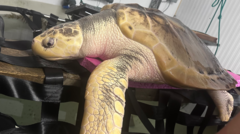
TURTLE FLOWN 5000 MILES HOME
Rare Turtle Rescued in Wales Returned to Caribbean
AI summaryA rare sea turtle discovered stranded along the Welsh coastline is being returned to its native habitat in the Caribbean Sea. The creature will travel roughly 5,000 miles by air following rehabilitation efforts.

HOSEPIPE BANS IN EFFECT
Drought Triggers Hosepipe Bans for Over 20 Million Homes
AI summaryMillions of residents are facing mandatory water use restrictions following an official drought declaration. Increased consumer demand combined with prolonged low rainfall has prompted hosepipe bans affecting over 20 million households.

STARGAZING NIGHT AUGUST 12
August 12 Marked as Top Stargazing Date of the Year
AI summaryAugust 12 has been highlighted as one of the premier dates for celestial viewing this year. According to reports from BBC Science, skywatchers can expect some of the year's top astronomical highlights on this night.
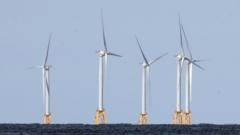
US CANCELS WIND PROJECTS
US Pays German Firm $1.2B to Stop Wind Projects
AI summaryThe Trump administration has agreed to a $1.2 billion settlement with German firm RWE to stop its planned wind energy developments in the United States. According to BBC Science, this agreement is part of a broader sequence of deals aimed at dismantling wind power initiatives across the nation.