Drought Triggers Hosepipe Bans for Over 20 Million Homes
Water Restrictions Enforced for 20M+ Households Amid Drought
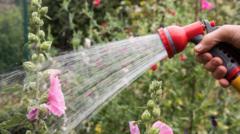
HOSEPIPE BANS IN EFFECT
Illustration concept: A close-up shot of a dry garden hose lying on parched, cracked soil under bright sunlight, symbolizing drought water restrictions.
AI summary
Millions of residents are facing mandatory water use restrictions following an official drought declaration. Increased consumer demand combined with prolonged low rainfall has prompted hosepipe bans affecting over 20 million households.
Key takeaways
- More than 20 million households are now subject to mandatory hosepipe bans.
- An official drought status was declared following persistent low rainfall.
- Elevated consumer demand has significantly strained water reserves.
- Restrictions aim to preserve essential water supplies during dry conditions.
Widespread water restrictions have taken effect as authorities respond to dry weather conditions and heightened consumption across affected regions. An official drought declaration has led to the implementation of hosepipe bans aimed at conserving water resources.
According to reports from BBC Science, more than 20 million households are currently subject to these usage limits. The restrictions are intended to curb non-essential outdoor water consumption during the ongoing dry spell.
The emergency measures come as extended periods of minimal precipitation have strained local water networks. At the same time, elevated demand from households has further depleted available reserves, forcing utility managers to act.
Officials stress that adhering to the temporary bans is critical to maintaining essential supplies until rainfall levels recover and water reserves can be safely replenished.
Frequently asked questions
- How many households are affected by the hosepipe bans?
- More than 20 million households are currently under hosepipe restrictions.
- What led to the hosepipe bans being introduced?
- The bans were introduced following an official drought declaration caused by low rainfall and high water demand.
- Who reported these water restrictions?
- The restrictions and drought details were reported by BBC Science.
Source & transparency
- By:
- Hoor
- Source:
- BBC Science
- Original publication:
- Aug 7, 2026, 5:50 PM
- The Reviser publication:
- Aug 7, 2026, 5:50 PM
- Updated:
- Aug 8, 2026, 10:01 PM
This report was independently written by The Reviser editorial desk from verified source material. It is not original on-the-ground reporting by The Reviser.
Related articles
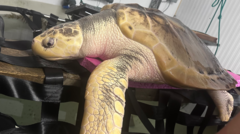
TURTLE FLOWN 5000 MILES HOME
Rare Turtle Rescued in Wales Returned to Caribbean
AI summaryA rare sea turtle discovered stranded along the Welsh coastline is being returned to its native habitat in the Caribbean Sea. The creature will travel roughly 5,000 miles by air following rehabilitation efforts.
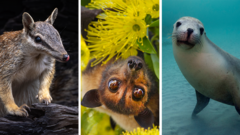
AUSTRALIA WILDLIFE EXTINCTION CRISIS
Australia Faces Biodiversity Crisis Amid Extinction Threat
AI summaryAustralia is experiencing a severe loss of its distinct native wildlife, cementing its position as a global hotspot for species extinction. Despite the accelerating decline, ongoing conservation efforts surrounding key native animals offer a path toward ecological recovery, according to reports from BBC Science.

STARGAZING NIGHT AUGUST 12
August 12 Marked as Top Stargazing Date of the Year
AI summaryAugust 12 has been highlighted as one of the premier dates for celestial viewing this year. According to reports from BBC Science, skywatchers can expect some of the year's top astronomical highlights on this night.
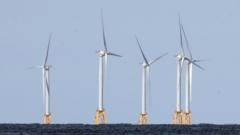
US CANCELS WIND PROJECTS
US Pays German Firm $1.2B to Stop Wind Projects
AI summaryThe Trump administration has agreed to a $1.2 billion settlement with German firm RWE to stop its planned wind energy developments in the United States. According to BBC Science, this agreement is part of a broader sequence of deals aimed at dismantling wind power initiatives across the nation.