Saudi, Turkey, Pakistan Formalize Mutual Defense Pact
Trilateral Defense Alliance Signed by Saudi Arabia, Turkey, and Pakistan
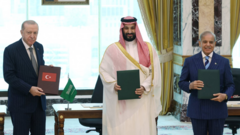
TRILATERAL DEFENSE PACT SIGNED
Illustration concept: A high-resolution photograph of the national flags of Saudi Arabia, Turkey, and Pakistan lined up in a modern diplomatic conference room with subtle ambient lighting.
AI summary
Three major regional powers—Saudi Arabia, Turkey, and Pakistan—have established a landmark mutual security agreement. Officials confirmed that any armed aggression targeted at one signatory will be treated as an attack against all three nations.
Key takeaways
- Saudi Arabia, Turkey, and Pakistan have signed a new trilateral defense accord.
- Pakistani officials stated an assault on any member country will be regarded as an attack on all three.
- The agreement comes during escalating conflict and broader instability in the Middle East.
In a major geopolitical development, Saudi Arabia, Turkey, and Pakistan have agreed to a collective defense treaty designed to pool security resources and bolster regional deterrence.
According to official communications from Islamabad, the trilateral agreement establishes a mutual security commitment. Under its core terms, any armed assault or military aggression against one participating nation will be treated as an attack directed at all three signatories.
The strategic accord unites three prominent military forces across South Asia and the Middle East, reflecting an intent to deepen defense integration and present a unified security front.
The pact arrives during a period of heightened conflict and escalating geopolitical friction across the Middle East, signaling a coordinated effort by the three capitals to reinforce sovereign security.
Frequently asked questions
- What are the primary terms of the defense agreement?
- The pact includes a collective security commitment where an attack against Saudi Arabia, Turkey, or Pakistan is considered an attack against all three nations.
- Which nations are participating in this defense accord?
- The security treaty was executed by Saudi Arabia, Turkey, and Pakistan.
- What context prompted this security pact?
- The diplomatic and defense agreement was finalized against the backdrop of intensifying Middle Eastern conflicts and regional insecurity.
Source & transparency
- By:
- Mikle
- Source:
- BBC World
- The Reviser publication:
- Aug 7, 2026, 5:42 PM
- Updated:
- Aug 8, 2026, 12:20 PM
This report was independently written by The Reviser editorial desk from verified source material. It is not original on-the-ground reporting by The Reviser.
Related articles
KURDISTAN REJECTS WAR INVOLVEMENT
Kurdish Iraq Seeks Neutrality Amid Regional Clashes
AI summaryKurdistan Regional Government Prime Minister Masrour Barzani stated that Iraqi Kurdistan intends to remain neutral in escalating Middle Eastern conflicts. Speaking to Al Jazeera, Barzani affirmed that no external pressure has been placed on the region to participate in hostilities concerning Iran, despite facing more than 1,000 attacks.

ASTRA DEVELOPMENT HALTED
OpenAI Halts Some Astra AI Work Over Cyber Risk Fears
AI summaryInternal development on OpenAI's next-generation model, Astra, has been partially suspended following fears it may possess advanced cyberattack capabilities. The precautionary measures were enacted under safety guidelines after concerns arose that the system could autonomously discover and exploit severe software vulnerabilities.
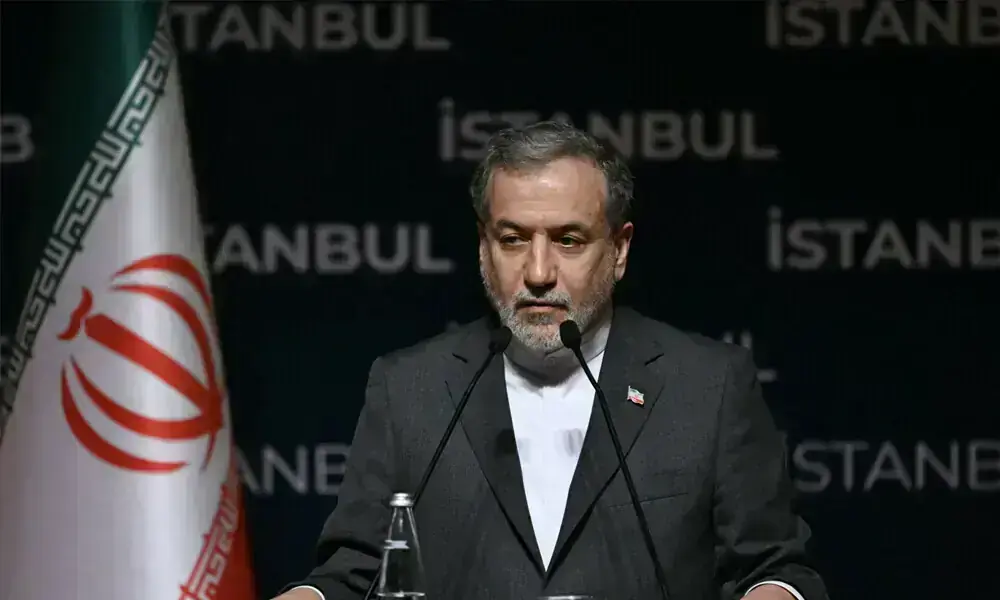
HORMUZ DEAL NEARLY CLOSED
Iran-Oman Strait of Hormuz Deal Nears But Reopening Delayed
AI summaryIran and Oman are closing in on an agreement regarding maritime routes through the Strait of Hormuz, though Tehran insists the waterway will remain restricted without US compensation. Meanwhile, fresh security incidents in the region highlight the lingering volatility threatening global energy supplies.
BLANCHE CONFIRMED AS US AG
Todd Blanche Confirmed as US Attorney General in Tight Vote
AI summaryThe United States Senate has narrowly confirmed Todd Blanche, Donald Trump's former defense lawyer, as the nation's top law enforcement official. The confirmation succeeded despite resistance from a small number of Republican senators.