Canadian Rural Residents Learn to Fight Local Wildfires
Canadian Homeowners Train to Defend Properties Against Escalating Wildfires
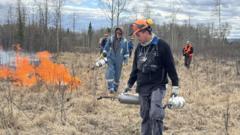
CANADIANS FIGHT WILDFIRES DIRECTLY
Illustration concept: A wide cinematic photograph of a rural Canadian homeowner holding fire-suppression equipment near a forest edge, highly realistic, atmospheric smoke in distant sky.
AI summary
Faced with increasingly frequent and widespread blazes, several rural communities in Canada are actively acquiring firefighting skills. Homeowners are taking direct action to defend their properties as local climate risks escalate.
Why this matters
The rise of self-reliant firefighting highlights shifting adaptation strategies among communities vulnerable to extreme environmental threats. As seasonal fire hazards intensify, civil preparation offers a practical approach to mitigating residential damage in remote areas.
Key takeaways
- Rural Canadians are acquiring firefighting skills to protect their properties from fires.
- The movement emerges in response to increasingly frequent and widespread Canadian wildfire seasons.
- Local residents aim to build grassroots resilience against severe environmental risks.
As wild blazes grow more common and expansive across Canadian territories, populations in remote regions are taking proactive measures to safeguard their communities.
According to reports from BBC Science, homeowners living outside major urban centers are pursuing training to directly confront fires that threaten their dwellings.
This shift toward grassroots defense comes as environmental conditions make fire seasons longer and more severe, putting unprecedented pressure on local infrastructure and official emergency services.
By learning practical suppression techniques and preventive measures, these individuals hope to reduce property loss and safeguard their neighborhoods during critical fire events.
Frequently asked questions
- Why are rural Canadians training to fight wildfires directly?
- Residents are seeking to safeguard their homes and land independently as blazes grow more frequent and widespread.
- Who reported on this trend in Canada?
- This development was documented in reports from BBC Science.
- What is driving rural residents toward self-reliance?
- The growing frequency and reach of seasonal fires in remote areas have led homeowners to take fire safety into their own hands.
Source & transparency
- By:
- The Reviser Desk
- Source:
- BBC Science
- Original publication:
- Aug 9, 2026, 11:02 PM
- The Reviser publication:
- Aug 9, 2026, 11:02 PM
- Updated:
- Aug 10, 2026, 8:02 AM
This report was independently written by The Reviser editorial desk from verified source material. It is not original on-the-ground reporting by The Reviser.
Related stories
HOSEPIPE BANS IN EFFECT
Drought Triggers Hosepipe Bans for Over 20 Million Homes
AI summaryMillions of residents are facing mandatory water use restrictions following an official drought declaration. Increased consumer demand combined with prolonged low rainfall has prompted hosepipe bans affecting over 20 million households.
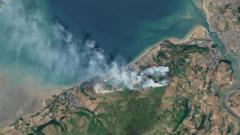
WILDFIRES DESTROY RARE HABITATS
Wildfires Destroy Rare Moth and Snake Habitats
AI summaryRecent summer wildfires have decimated crucial habitats for native snakes and rare moth species. Specialists warn that the environmental recovery from this destruction could span several centuries.

DOUBLE SKY SHOW NEXT WEEK
Solar Eclipse and Perseid Meteor Shower Due Next Week
AI summaryAstronomy enthusiasts are preparing for a rare double celestial spectacle scheduled for next week. A significant partial solar eclipse will obscure much of the sun before the annual Perseid meteor shower reaches its maximum activity.

TURTLE FLOWN 5000 MILES HOME
Rare Turtle Rescued in Wales Returned to Caribbean
AI summaryA rare sea turtle discovered stranded along the Welsh coastline is being returned to its native habitat in the Caribbean Sea. The creature will travel roughly 5,000 miles by air following rehabilitation efforts.