Sindh Farmers Turn Away From Onion Crops Amid Market Pressures
Onion Cultivation Declines in Sindh as Farmers Shift Focus
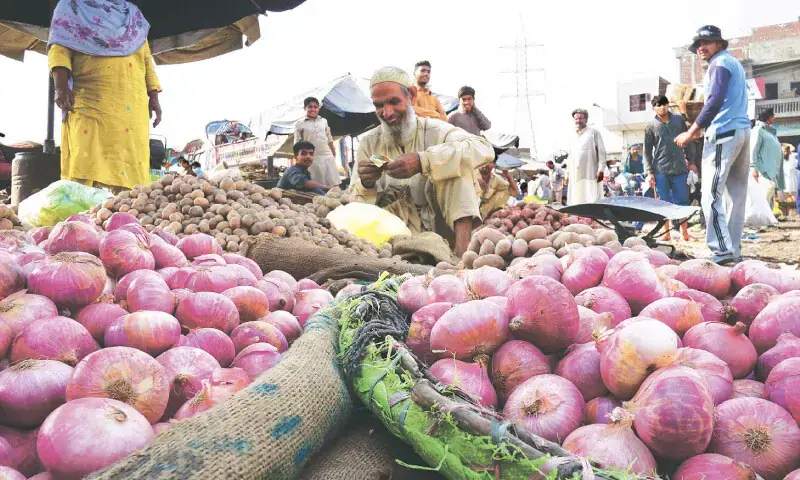
SINDH ONION FARMING DECLINES
Illustration concept: A wide cinematic photo of an agricultural field in rural Sindh, Pakistan, showing a farmer standing near harvested onions under a dusty afternoon light.
AI summary
Agricultural producers across Sindh are increasingly backing away from onion farming due to compounding market and crop pressures. Reports from Dawn Business indicate that declining returns have left growers hesitant to maintain traditional onion acreage.
Why this matters
Onions are a essential staple in Pakistan's daily diet and domestic agricultural economy. A widespread drop in Sindh's onion production could lead to domestic supply deficits, elevated retail inflation, and increased dependence on costly imports to fulfill national demand.
Key takeaways
- Farmers across Sindh are diminishing their onion farming activities due to financial risks.
- Escalating production expenses and market instability have squeezed profit margins for growers.
- Sindh represents a key producer in Pakistan's overall national onion supply chain.
- Reduced local cultivation may trigger market shortages and elevate domestic retail prices.
Agricultural producers in Sindh are showing a marked decline in their willingness to cultivate onions, according to reports from Dawn Business. The shift comes as growers evaluate the financial risks and diminished returns associated with the crop in recent farming cycles.
The provincial agricultural landscape of Sindh traditionally accounts for a major share of Pakistan's national onion yields. However, persistent economic hurdles, unstable market prices, and escalating production costs have eroded profit margins for local cultivators.
Faced with unpredictable trade conditions and rising expenses for inputs, many farmers are reconsidering their crop planning strategies. Some are choosing to reduce their cultivated acreage for onions, while others are exploring alternative crops that offer more predictable financial security.
This reduced enthusiasm among Sindh's farming community poses potential challenges for domestic market supply. If localized production continues to contract, market experts warn that domestic consumer prices for this essential kitchen staple could experience upward pressure in the coming seasons.
Frequently asked questions
- Why are farmers in Sindh losing interest in onion farming?
- Growers are encountering diminished profit margins caused by unpredictable market pricing, fluctuating returns, and elevated production expenses.
- How significant is Sindh to Pakistan's onion supply?
- Sindh is a primary producer of onions in Pakistan, playing a crucial role in maintaining stable supply levels across national domestic markets.
- What could be the long-term impact of reduced onion farming?
- A sustained drop in local onion yield could lead to domestic shortages, higher consumer prices, and a greater need for imported produce.
Source & transparency
- By:
- The Reviser Desk
- Source:
- Dawn Business
- Original publication:
- Aug 10, 2026, 3:27 AM
- The Reviser publication:
- Aug 10, 2026, 3:27 AM
- Updated:
- Aug 10, 2026, 3:30 AM
This report was independently written by The Reviser editorial desk from verified source material. It is not original on-the-ground reporting by The Reviser.
Related stories
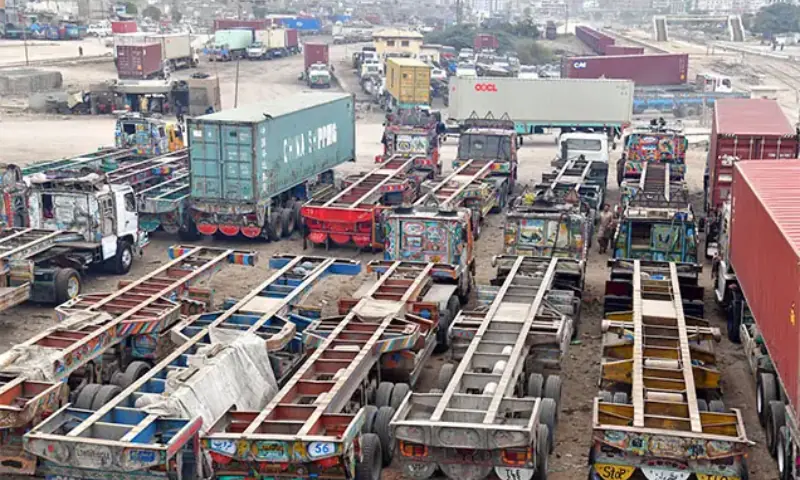
400K TRUCKS GROUNDED STRIKE
Freight Strike Halts 400,000 Trucks in Pakistan
AI summaryOver 400,000 goods-carrying vehicles have suspended operations across Pakistan, triggering serious disruption to industrial supply chains and international exports. According to reports from Dawn Business, business community leaders are urging immediate official intervention to resolve transport grievances and prevent further trade losses.
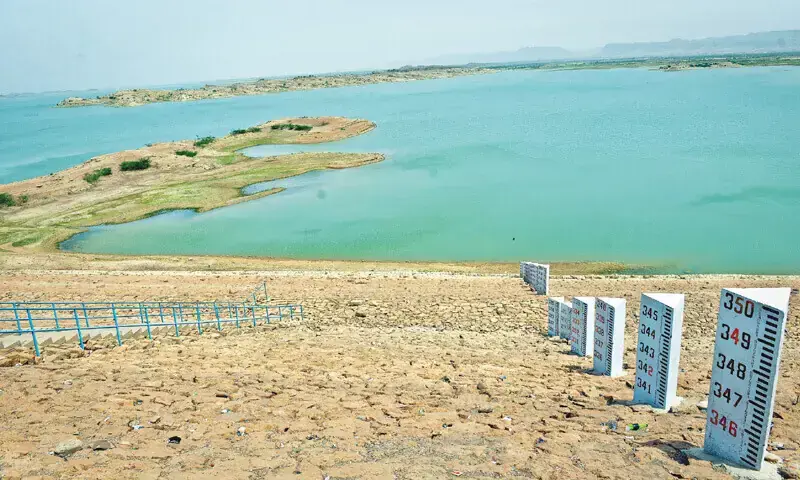
HUB WATER CRISIS ESCALATES
Hub Industrial Area Faces Acute Water Deprivation Crisis
AI summaryIndustrial operations in Hub are confronting a crippling water shortage, threatening local manufacturing and economic output. Business representatives allege that the region is suffering from a systematic withholding of its designated water supply.

DAILY FUEL PRICES IN PAKISTAN
Pakistan Explores Daily Fuel Pricing in Market Deregulation Plan
AI summaryPakistan is evaluating plans to deregulate its downstream petroleum sector and transition to daily retail fuel price revisions. The proposed shift aims to minimize market distortions, curb inventory losses for oil companies, and align local fuel rates with global crude fluctuations.
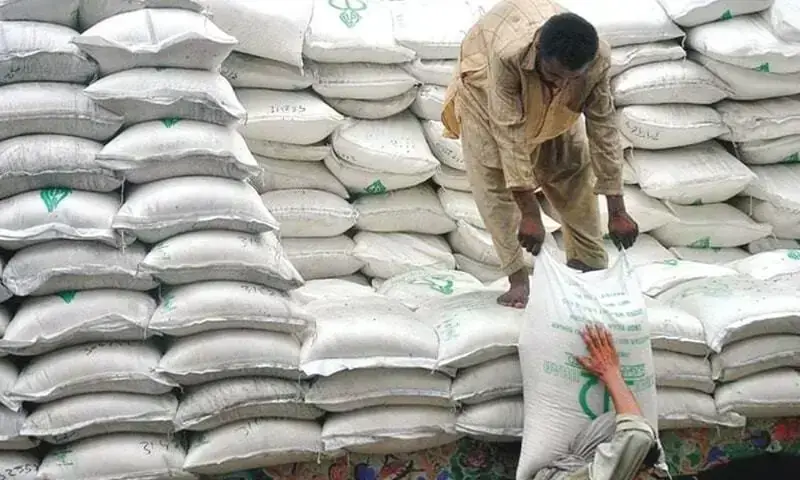
FLOUR PRICES RISE IN PAKISTAN
Pakistan Flour Prices Surge Amid Grain Import Delay
AI summaryWheat and flour prices across Pakistan have registered further increases despite federal plans to import one million tonnes of grain. Market traders warn that without immediate price management, consumers will fail to see substantial relief once imported supplies arrive.