Pakistan Flour Prices Surge Amid Grain Import Delay
Wheat and Flour Costs Rise as Consumers Await Government Imports
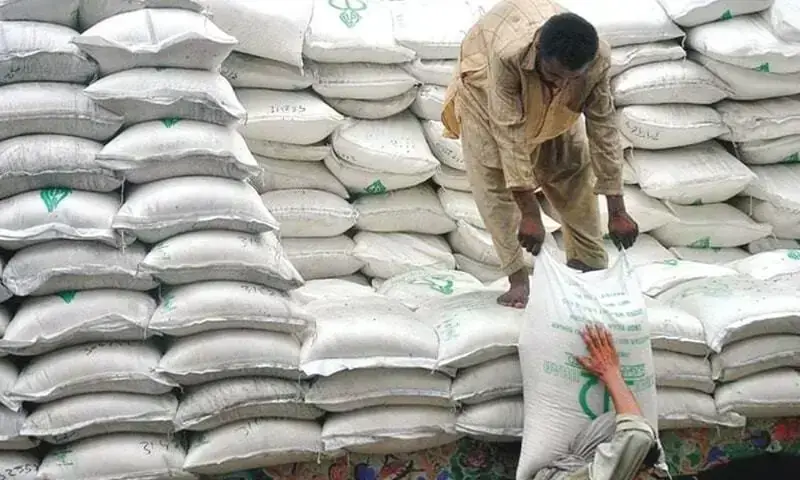
FLOUR PRICES RISE IN PAKISTAN
Illustration concept: A busy traditional grain market in Pakistan with high stacks of wheat flour bags and vendors interacting with buyers, realistic news photo style.
AI summary
Wheat and flour prices across Pakistan have registered further increases despite federal plans to import one million tonnes of grain. Market traders warn that without immediate price management, consumers will fail to see substantial relief once imported supplies arrive.
Key takeaways
- Wheat flour prices increased nationwide by 0.52% for the week ending August 6.
- In Karachi, 20 kg flour bag prices climbed to between Rs 2,700 and Rs 3,000.
- Islamabad and Rawalpindi recorded the highest 10 kg wheat bag price at Rs 1,339.31.
- The federal government plans to import one million tonnes of grain to stabilize prices.
- Traders warn consumers will miss out on relief unless pre-import price controls are enforced.
Household budgets across Pakistan face renewed pressure as retail prices for wheat and flour continue an upward trajectory. Despite federal plans to procure one million tonnes of grain from international markets to stabilize domestic supply, grain prices across major urban centers have registered steady increases.
Official Sensitive Price Index data for the week ending August 6 highlights noticeable price jumps in Karachi. The cost of a 20-kilogram flour bag climbed to between Rs 2,700 and Rs 3,000, up from Rs 2,600 to Rs 2,900 reported in the previous week. Similarly, 10-kilogram wheat bags in the port city reached Rs 1,200 from Rs 1,160, while fine flour rose to Rs 158.56 per kilogram from Rs 149.46.
Nationwide indicators reflected a widespread price surge, with wheat flour costs rising by 0.52 percent week-on-week. Across the country, the average price for a 20-kilogram flour bag ranged from Rs 2,200 to Rs 3,133, while the national average for a 10-kilogram wheat bag edged up to Rs 1,235 from Rs 1,223. SPI data further showed that consumers in Islamabad and Rawalpindi paid the highest prices nationwide for 10-kilogram wheat bags, reaching Rs 1,339.31.
Market participants cited by Dawn Business expressed concern regarding the lack of immediate price intervention ahead of foreign grain arrivals. Local traders noted that unless administrative measures are taken to regulate open-market rates prior to the receipt of imported wheat, consumers will not derive substantial benefits from the procurement strategy.
Frequently asked questions
- How much wheat does the federal government plan to import?
- The federal government plans to import one million tonnes of grain to address escalating prices and boost domestic stocks.
- What was the price range for a 20 kg flour bag in Karachi?
- As of the week ending August 6, a 20 kg flour bag in Karachi cost between Rs 2,700 and Rs 3,000, rising from Rs 2,600 to Rs 2,900 the previous week.
- Where were wheat prices highest in Pakistan?
- According to Sensitive Price Index data, Islamabad and Rawalpindi recorded the highest rate for 10 kg wheat bags at Rs 1,339.31.
Source & transparency
- By:
- Tony
- Source:
- Dawn Business
- Original publication:
- Aug 9, 2026, 3:46 AM
- The Reviser publication:
- Aug 9, 2026, 3:46 AM
- Updated:
- Aug 9, 2026, 4:00 AM
This report was independently written by The Reviser editorial desk from verified source material. It is not original on-the-ground reporting by The Reviser.
Related articles

HUB WATER CRISIS ESCALATES
Hub Industrial Area Faces Acute Water Deprivation Crisis
AI summaryIndustrial operations in Hub are confronting a crippling water shortage, threatening local manufacturing and economic output. Business representatives allege that the region is suffering from a systematic withholding of its designated water supply.

400K TRUCKS GROUNDED STRIKE
Freight Strike Halts 400,000 Trucks in Pakistan
AI summaryOver 400,000 goods-carrying vehicles have suspended operations across Pakistan, triggering serious disruption to industrial supply chains and international exports. According to reports from Dawn Business, business community leaders are urging immediate official intervention to resolve transport grievances and prevent further trade losses.

INDONESIA TAKES RAIL CONTROL
Indonesia to Take Majority Stake in $7.3B High-Speed Rail
AI summaryIndonesia is set to assume a 60% controlling interest in PT KCIC, the operator behind the $7.3 billion Whoosh high-speed rail line connecting Jakarta and Bandung. Officials confirmed that an agency under the Finance Ministry will assume debt obligations without relying on the national budget, aiming to finalize the transfer by mid-September.
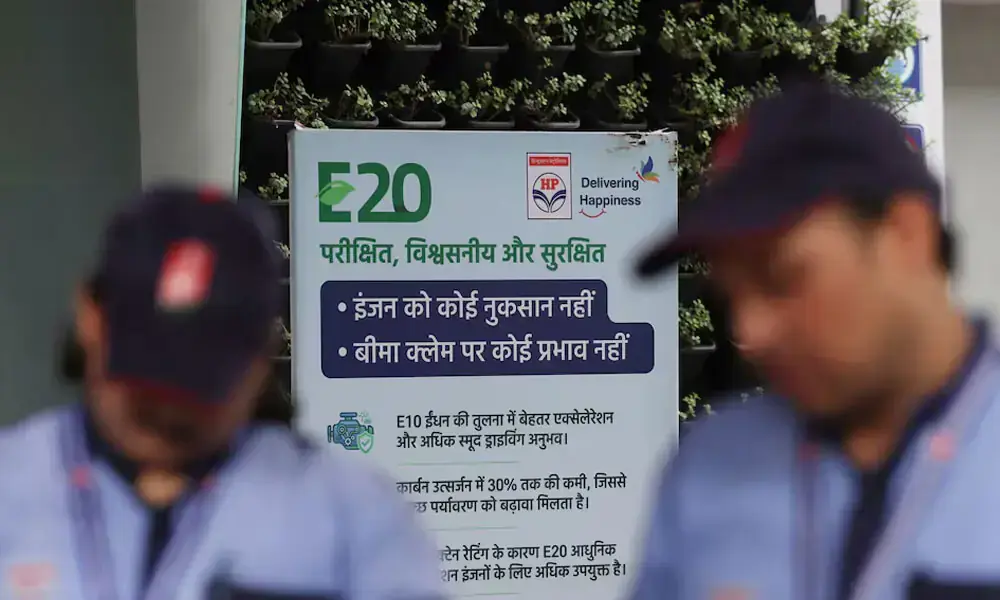
E20 SHIFT DRIVES EV SALES
India E20 Fuel Transition Boosts Alternative Vehicle Demand
AI summaryIndian car buyers are increasingly turning to alternative-fuel vehicles amid hesitation surrounding the nationwide E20 petrol mandate. Sales figures for CNG, hybrid, and electric models pulled within striking distance of traditional petrol cars in July.