India E20 Fuel Transition Boosts Alternative Vehicle Demand
India's E20 Petrol Blend Pushes Buyers Toward CNG and EVs
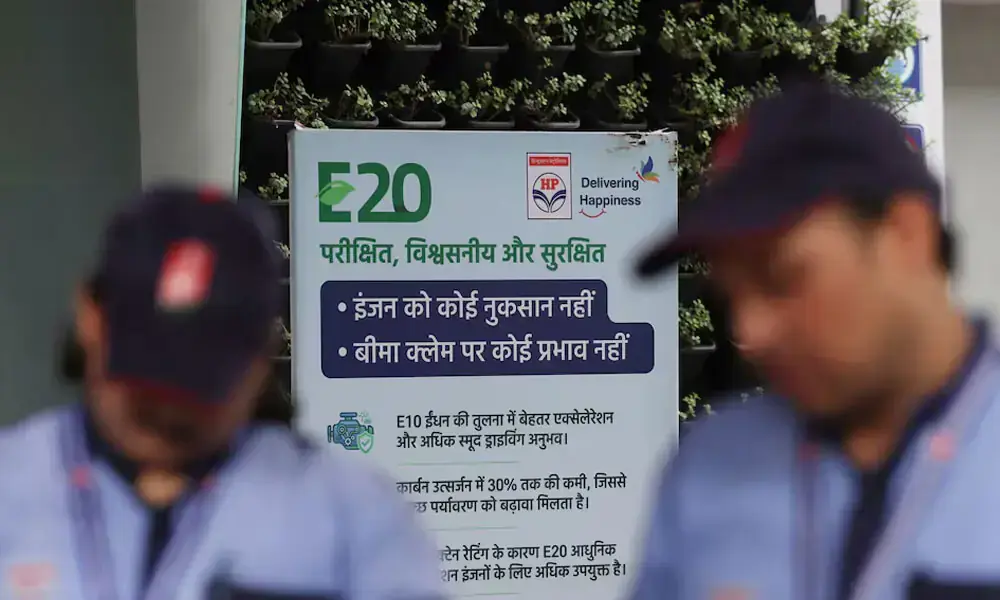
E20 SHIFT DRIVES EV SALES
Illustration concept: A modern Indian fuel station featuring petrol pumps labeled E20 beside electric vehicle charging stations and CNG vehicles fueling up, clear daylight shot.
AI summary
Indian car buyers are increasingly turning to alternative-fuel vehicles amid hesitation surrounding the nationwide E20 petrol mandate. Sales figures for CNG, hybrid, and electric models pulled within striking distance of traditional petrol cars in July.
Key takeaways
- Alternative-fuel vehicles captured 40.59% of Indian passenger vehicle sales in July, trailing petrol models at 41.68%.
- The surge in CNG, hybrid, and EV demand stems from consumer hesitation over India's nationwide E20 petrol rollout.
- The E20 mandate requires 20% ethanol blending across roughly 90,000 fuel outlets to reduce crude oil imports.
- Drivers report concerns over lower mileage and potential engine harm to older non-E20 compliant cars.
- Auto dealer body FADA called for clearer communication to reassure cautious petrol car buyers.
A nationwide shift toward higher ethanol-blended petrol in India is altering consumer behavior, pushing automobile buyers toward alternative energy vehicles. Data released by the Federation of Automobile Dealers Associations (FADA) indicates that sales of compressed natural gas (CNG), hybrid, and electric vehicles nearly matched traditional petrol car sales in July.
According to FADA, alternative-fuel passenger vehicles captured 40.59 percent of total market sales last month, trailing petrol-driven models—which stood at 41.68 percent—by a narrow margin of 1.09 percentage points. The surge in non-petrol purchases comes as prospective car buyers voice hesitation over the government's introduction of E20 fuel across retail networks.
The E20 rollout, initiated under Prime Minister Narendra Modi’s administration, mandates a 20 percent ethanol blend across approximately 90,000 retail filling stations, replacing the previous E10 blend. The strategy aims to curb India's heavy financial outlay on foreign petroleum imports.
However, the rapid transition has drawn public concern. Car owners and buyers worry that the higher ethanol concentration lowers fuel efficiency and risks damaging engine components, particularly in legacy vehicles not manufactured to run on E20 blends.
Reports from Business Recorder highlight FADA's stance that transparent government communication regarding E20 compatibility could alleviate consumer reluctance and help stabilize petrol vehicle sales. In the interim, buyer hesitation continues to accelerate market adoption of greener and alternative fuel options across Indian showrooms.
Frequently asked questions
- What is E20 fuel in India?
- E20 petrol is a motor fuel blend made up of 20 percent ethanol and 80 percent gasoline, introduced across nearly 90,000 retail stations nationwide.
- Why is the Indian government rolling out E20 petrol?
- Prime Minister Narendra Modi's government introduced E20 fuel to decrease India's reliance on expensive foreign crude oil imports.
- Why are Indian consumers hesitant about E20 petrol?
- Buyers and motorists express concerns that higher ethanol blends reduce overall fuel efficiency and could potentially affect vehicle performance in older, non-E20 compliant models.
Source & transparency
- By:
- Tony
- Source:
- Business Recorder
- Original publication:
- Aug 8, 2026, 9:24 PM
- The Reviser publication:
- Aug 8, 2026, 9:24 PM
- Updated:
- Aug 8, 2026, 9:30 PM
This report was independently written by The Reviser editorial desk from verified source material. It is not original on-the-ground reporting by The Reviser.
Related articles

HUB WATER CRISIS ESCALATES
Hub Industrial Area Faces Acute Water Deprivation Crisis
AI summaryIndustrial operations in Hub are confronting a crippling water shortage, threatening local manufacturing and economic output. Business representatives allege that the region is suffering from a systematic withholding of its designated water supply.
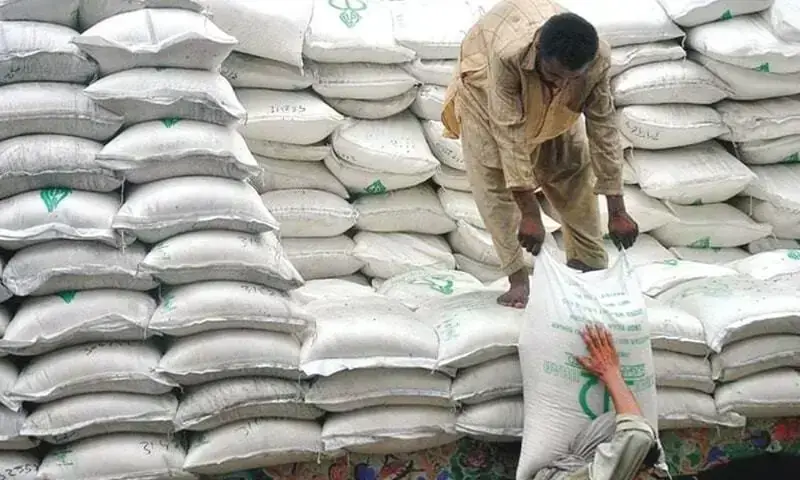
FLOUR PRICES RISE IN PAKISTAN
Pakistan Flour Prices Surge Amid Grain Import Delay
AI summaryWheat and flour prices across Pakistan have registered further increases despite federal plans to import one million tonnes of grain. Market traders warn that without immediate price management, consumers will fail to see substantial relief once imported supplies arrive.
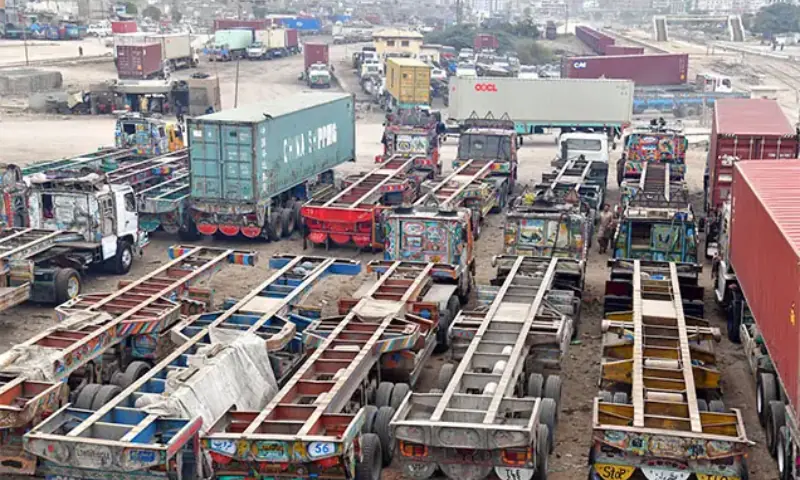
400K TRUCKS GROUNDED STRIKE
Freight Strike Halts 400,000 Trucks in Pakistan
AI summaryOver 400,000 goods-carrying vehicles have suspended operations across Pakistan, triggering serious disruption to industrial supply chains and international exports. According to reports from Dawn Business, business community leaders are urging immediate official intervention to resolve transport grievances and prevent further trade losses.

GOLD JUMPS RS2,200 PER TOLA
Pakistan Gold Rates Surge as Global Market Gains Momentum
AI summaryDomestic gold prices extended their upward trajectory on Saturday, pushed higher by rising international bullion valuations. Meanwhile, local silver prices bucked the trend and experienced a moderate retreat.