Freight Strike Halts 400,000 Trucks in Pakistan
Nationwide Transporters' Boycott Paralyzes Freight and Export Supply Chains
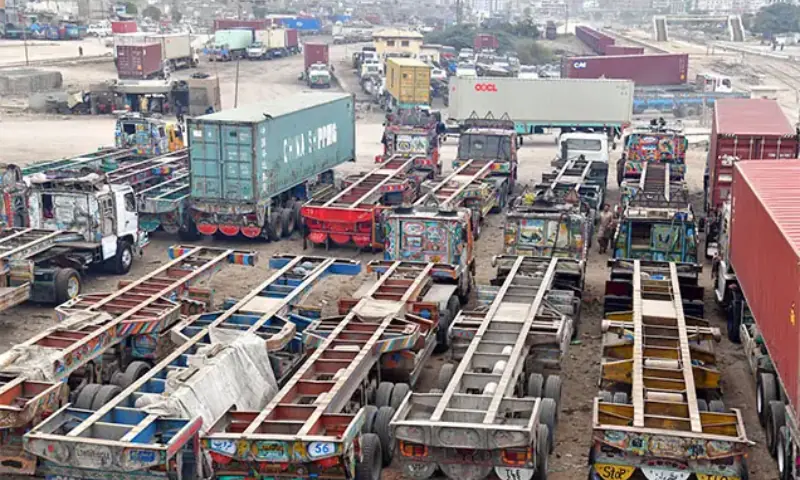
400K TRUCKS GROUNDED STRIKE
Illustration concept: A line of heavy commercial freight trucks parked alongside a Pakistani highway during sunset, photojournalistic style, neutral lighting, news documentary feel.
AI summary
Over 400,000 goods-carrying vehicles have suspended operations across Pakistan, triggering serious disruption to industrial supply chains and international exports. According to reports from Dawn Business, business community leaders are urging immediate official intervention to resolve transport grievances and prevent further trade losses.
Key takeaways
- More than 400,000 goods transport vehicles have halted operations across Pakistan.
- The supply chain shutdown threatens export shipments, raw material transport, and local markets.
- Industry associations are calling for quick official dialogue to resolve transport sector disputes.
Industrial activity and export operations face severe disruption following a major freight boycott across Pakistan, with over 400,000 goods-carrying vehicles pulling off the roads. The sudden suspension has paralyzed the movement of raw materials and finished products nationwide.
According to reports from Dawn Business, the strike has effectively halted supply chains connecting main manufacturing hubs to sea ports and regional markets. Business leaders warn that prolonged transport blockages could lead to missed shipping deadlines, financial penalties on international trade contracts, and supply shortages in local commercial centers.
Transporters initiated the shutdown to push authorities to address long-standing grievances related to operational costs, regulations, and taxation. The grounded fleet includes heavy trailers, trucks, and container carriers responsible for handling the vast majority of the country's overland cargo traffic.
Factory owners and exporters have voiced urgent appeals for government intervention, emphasizing that crucial export consignments remain stranded. Industry representatives stress that immediate dialogue between government officials and transport leaders is essential to avoid compounding existing economic pressures.
Frequently asked questions
- Why are goods transporters on strike in Pakistan?
- Transport operators grounded their fleets over operational grievances, regulatory issues, and financial pressures affecting the freight sector.
- How many commercial vehicles are affected by the strike?
- Reports indicate that over 400,000 goods-carrying vehicles have suspended cargo movement nationwide.
- What is the impact of the transport strike on exports?
- The strike prevents freight from reaching ports and trade corridors, risking missed delivery schedules and trade penalties for exporters.
Source & transparency
- By:
- Tony
- Source:
- Dawn Business
- Original publication:
- Aug 9, 2026, 2:26 AM
- The Reviser publication:
- Aug 9, 2026, 2:26 AM
- Updated:
- Aug 9, 2026, 2:30 AM
This report was independently written by The Reviser editorial desk from verified source material. It is not original on-the-ground reporting by The Reviser.
Related articles

HUB WATER CRISIS ESCALATES
Hub Industrial Area Faces Acute Water Deprivation Crisis
AI summaryIndustrial operations in Hub are confronting a crippling water shortage, threatening local manufacturing and economic output. Business representatives allege that the region is suffering from a systematic withholding of its designated water supply.
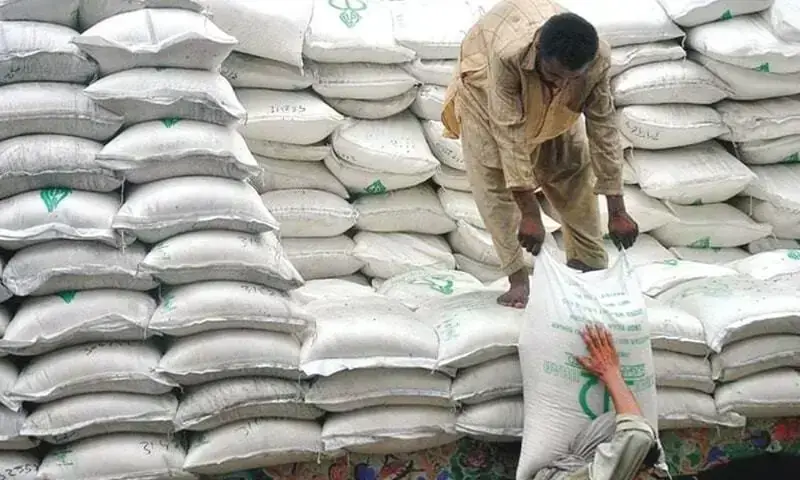
FLOUR PRICES RISE IN PAKISTAN
Pakistan Flour Prices Surge Amid Grain Import Delay
AI summaryWheat and flour prices across Pakistan have registered further increases despite federal plans to import one million tonnes of grain. Market traders warn that without immediate price management, consumers will fail to see substantial relief once imported supplies arrive.
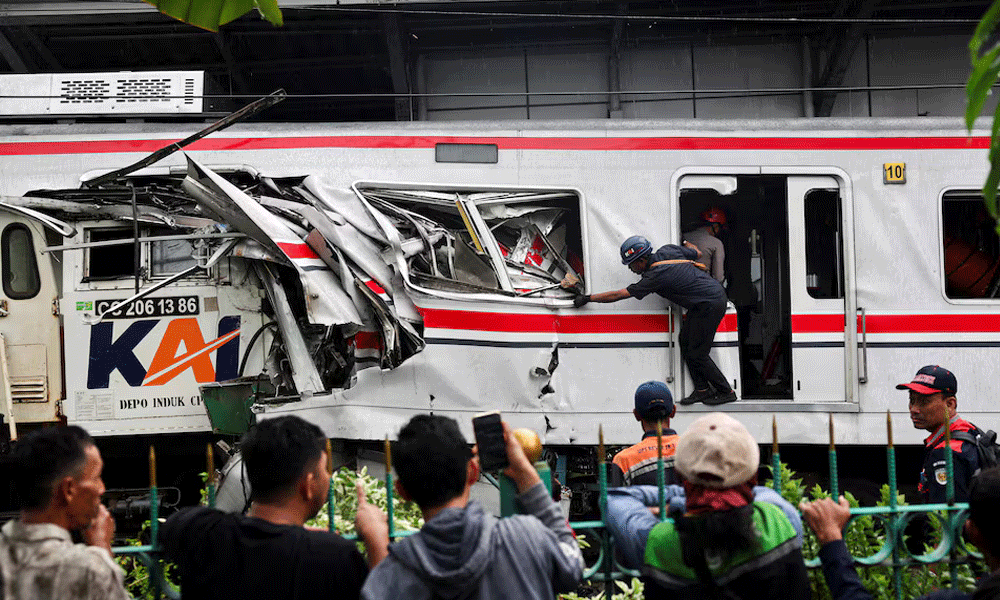
INDONESIA TAKES RAIL CONTROL
Indonesia to Take Majority Stake in $7.3B High-Speed Rail
AI summaryIndonesia is set to assume a 60% controlling interest in PT KCIC, the operator behind the $7.3 billion Whoosh high-speed rail line connecting Jakarta and Bandung. Officials confirmed that an agency under the Finance Ministry will assume debt obligations without relying on the national budget, aiming to finalize the transfer by mid-September.
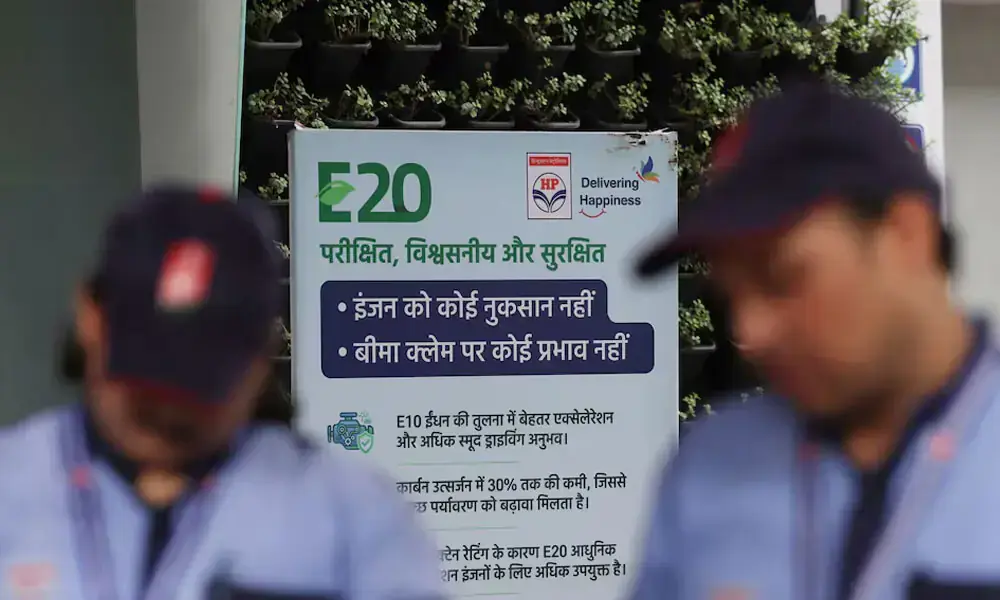
E20 SHIFT DRIVES EV SALES
India E20 Fuel Transition Boosts Alternative Vehicle Demand
AI summaryIndian car buyers are increasingly turning to alternative-fuel vehicles amid hesitation surrounding the nationwide E20 petrol mandate. Sales figures for CNG, hybrid, and electric models pulled within striking distance of traditional petrol cars in July.