SC Rules PoS Agents Cannot Use Consumer Laws Against BISP
Supreme Court Overturns Lower Court Directives on BISP Agent ID
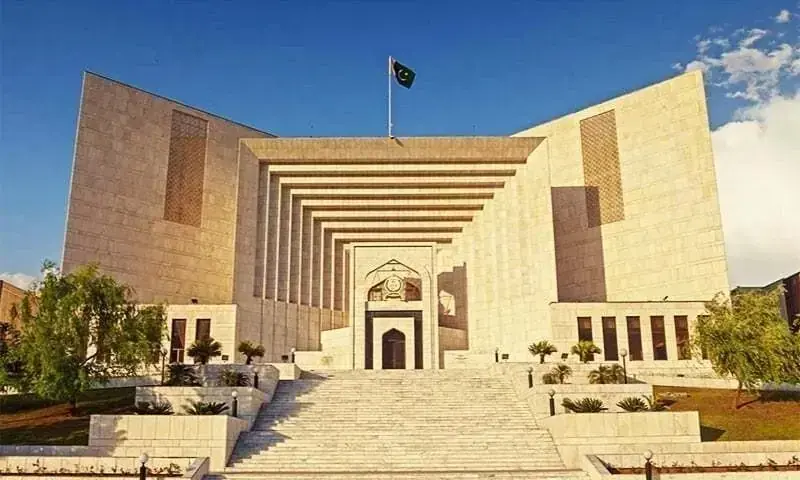
SC RULES ON BISP
Illustration concept: A wide shot of the Supreme Court of Pakistan building exterior under daylight, clean modern editorial style, high resolution photography.
AI summary
The Supreme Court of Pakistan has determined that Point-of-Sale agents serving the Benazir Income Support Programme cannot invoke consumer protection laws to challenge blocked retailer IDs. Overturning rulings from lower courts, the apex tribunal noted that such arrangements do not qualify as consumer services, though it ordered an internal BISP administrative review.
Key takeaways
- The Supreme Court ruled that BISP point-of-sale agents are not covered under consumer protection laws.
- Previous orders by the Peshawar High Court and Bannu Consumer Court instructing BISP to restore a retailer's ID were set aside.
- Justice Muhammad Ali Mazhar clarified that vendor relationships do not form a consumer service arrangement under the 1997 KP Act.
- BISP's cash transfer division in Islamabad was directed to conduct an administrative inquiry into the matter.
Point-of-sale agents tasked with distributing state welfare funds cannot utilize consumer protection tribunals to resolve administrative disputes with program administrators, according to a recent judgment from Pakistan's Supreme Court.
A two-member bench led by Justice Muhammad Ali Mazhar nullified earlier decisions from the Consumer Protection Court in Bannu and the Peshawar High Court. Those lower forums had previously ordered the Benazir Income Support Programme (BISP) alongside Bank Alfalah to reactivate a retailer's blocked identification credentials.
The legal challenge was brought before the apex court by BISP Deputy Director Muhammad Ishaq, contesting a November 6, 2025 order rendered by the Peshawar High Court's Bannu bench. The central issue revolved around whether an operational agent providing digital transaction services could claim consumer status under provincial legislation.
In the 14-page detailed order, Justice Mazhar explained that grievances framed under Section 13 of the Khyber Pakhtunkhwa Consumer Protection Act of 1997 are not maintainable in this context. The court held that the operational arrangement between BISP, its partner banking institution, and point-of-sale vendors does not constitute a traditional consumer service relationship.
While setting aside the previous judgments for lack of statutory jurisdiction, the Supreme Court directed the BISP director general for cash transfers in Islamabad to conduct an administrative review of the agent's case to ensure equitable treatment.
Frequently asked questions
- Why did the Supreme Court overturn the lower court decisions?
- The apex court ruled that the relationship between BISP and its point-of-sale agents is not a 'consumer service' arrangement, meaning consumer protection courts lack jurisdiction over the matter.
- Which law was cited in the BISP agent dispute?
- The complaint was originally filed under Section 13 of the Khyber Pakhtunkhwa Consumer Protection Act of 1997.
- What happens next for the affected BISP agent?
- Although the consumer court orders were voided, the Supreme Court instructed the BISP director general of cash transfers in Islamabad to conduct an independent review of the agent's case.
Source & transparency
- By:
- Farkleet
- Source:
- Dawn Pakistan
- Original publication:
- Aug 9, 2026, 2:32 AM
- The Reviser publication:
- Aug 9, 2026, 2:32 AM
- Updated:
- Aug 9, 2026, 3:01 AM
This report was independently written by The Reviser editorial desk from verified source material. It is not original on-the-ground reporting by The Reviser.
Related articles
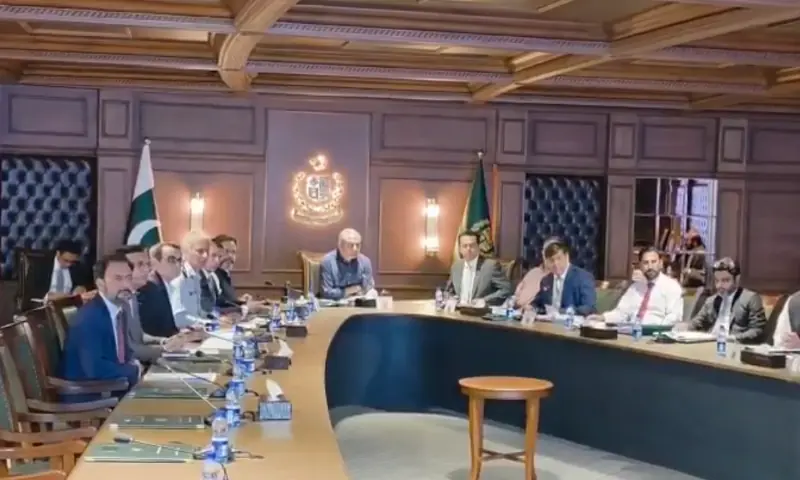
78 HEROES RECEIVE CIVIL AWARDS
Gallantry Committee Approves National Honors for 78 Citizens
AI summaryA specialized government panel chaired by Interior Minister Mohsin Naqvi has sanctioned civil gallantry honors for 78 individuals. The list includes fallen personnel and surviving ghazis recognized for outstanding courage and devotion to the nation.
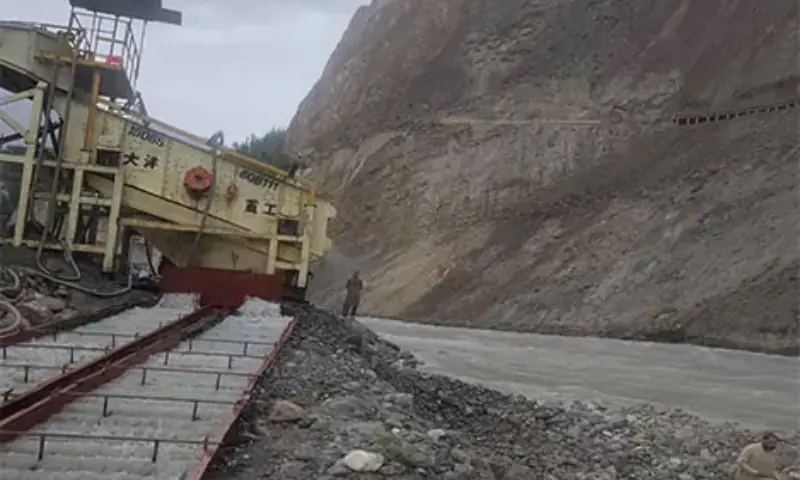
GOLD MINING THREATENS DAMS
Unregulated GB Gold Mining Threatens Dams, Infrastructure
AI summaryAuthorities in Gilgit-Baltistan have warned that expanding placer gold mining operations pose severe threats to regional infrastructure, including the Diamer-Bhasha Dam. Primary concerns focus on riverbed instability, machinery oil leaks, and the discharge of untreated wastewater into local waterways.

TAX HIKE CHALLENGED
IHC Challenges Goods Transport Withholding Tax Hike
AI summaryThe Islamabad High Court has requested replies from the federal government and revenue authorities regarding a petition against raising withholding tax on goods transport from 6% to 7%. The suit, filed on behalf of logistics firms, contends that providing preferential tax treatment exclusively to oil tanker operators is unconstitutionally discriminatory.
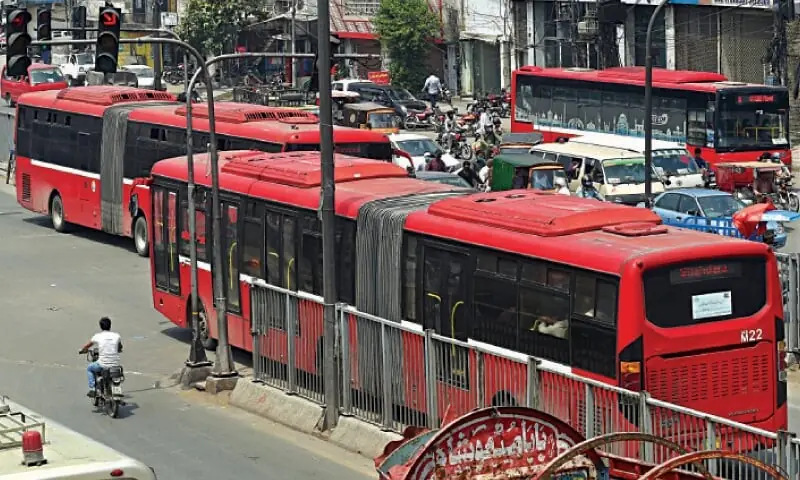
METRO BUS SHUTDOWN RISK
Lahore Metro Bus Facing Suspension Over Fuel Cost Dispute
AI summaryA private company operating the Lahore Metro Bus route has announced plans to halt services from August 11 following a breakdown in talks over soaring fuel expenses. The Punjab Mass Transit Authority has labeled the suspension notice as blackmail and declared its intention to challenge a recent court ruling favoring the operator.