Pakistan Explores Daily Fuel Pricing in Market Deregulation Plan
Pakistan Considers Daily Fuel Price Adjustments Amid Market Deregulation
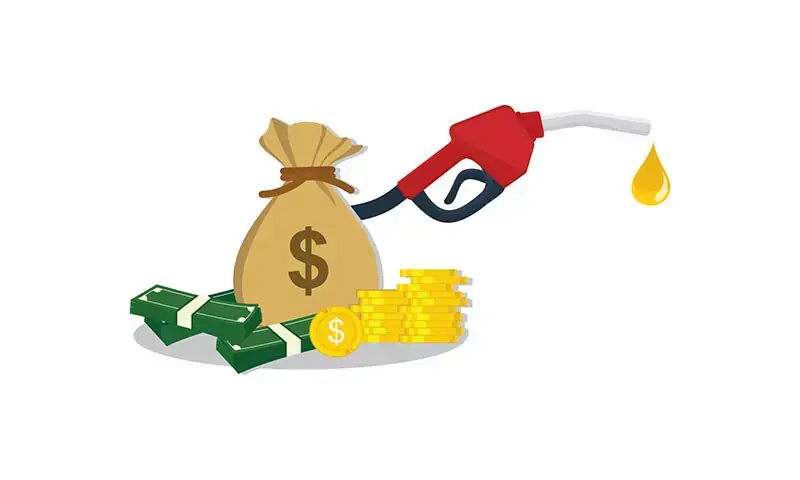
DAILY FUEL PRICES IN PAKISTAN
Illustration concept: A modern petroleum fuel station in Pakistan with digital pricing boards lit up at dusk, clean commercial style photography
AI summary
Pakistan is evaluating plans to deregulate its downstream petroleum sector and transition to daily retail fuel price revisions. The proposed shift aims to minimize market distortions, curb inventory losses for oil companies, and align local fuel rates with global crude fluctuations.
Why this matters
A transition to daily fuel pricing represents a major structural shift in Pakistan's energy policy, moving away from state-controlled fortnightly pricing. If implemented, consumers will experience frequent micro-adjustments at petrol pumps, while oil marketing companies face increased commercial accountability in a competitive market.
Key takeaways
- Pakistan is considering moving from fortnightly fuel price Revisions to daily market adjustments.
- The initiative forms part of a broader proposal to deregulate the downstream petroleum market.
- Daily pricing aims to soften bi-weekly price shocks and eliminate speculative hoarding.
- Oil marketing companies would gain commercial autonomy to set prices based on import and operating costs.
- Regulatory bodies will maintain oversight to prevent unfair trade practices and monitor fuel quality.
A major shift in energy policy could soon overhaul how petroleum products are priced across Pakistan, as authorities evaluate plans to fully deregulate the downstream oil sector. Under proposed reforms reported by Dawn Business, the current practice of fixed fortnightly adjustments by the federal government could be replaced with daily fuel price revisions managed directly by oil marketing companies.
The strategic pivot seeks to align local retail fuel prices directly with volatile international crude and refined product benchmark movements. By shifting to daily price updates, policymakers aim to reduce the dramatic price swings and domestic supply disruptions that often occur at the turn of every two-week pricing cycle.
Currently, the Oil and Gas Regulatory Authority and the Ministry of Energy determine prices twice a month based on exchange rates and global market trends. This rigid schedule frequently leads to inventory losses for oil marketing companies when international prices drop rapidly, or artificial shortages and panic buying when prices are expected to rise sharply.
Under a fully deregulated framework, individual oil marketing companies would gain greater autonomy to set retail rates reflecting their own import costs, logistics, and competition. However, regulatory oversight would remain critical to monitor quality, maintain strategic petroleum reserves, and prevent anti-competitive practices among major market players.
While proponents argue that daily price adjustments offer smoother cost transitions for consumers and incentivize efficiency among distributors, market participants caution that robust monitoring mechanisms will be vital. The eventual rollout will depend on final policy approvals and structural preparedness across the country's distribution network.
Frequently asked questions
- How are fuel prices currently determined in Pakistan?
- Currently, the federal government and regulatory authorities revise domestic fuel prices every 15 days based on international petroleum trends and exchange rates.
- What does fuel market deregulation mean for consumers?
- Deregulation allows oil marketing companies to determine their own prices based on market competition, leading to smaller, daily fluctuations at the pump rather than sharp fortnightly changes.
- Why is the government considering daily price revisions?
- Daily adjustments prevent sudden price shocks, reduce inventory losses for distributors during global oil drops, and mitigate panic buying before scheduled rate revisions.
Source & transparency
- By:
- The Reviser Desk
- Source:
- Dawn Business
- Original publication:
- Aug 10, 2026, 3:31 AM
- The Reviser publication:
- Aug 10, 2026, 3:31 AM
- Updated:
- Aug 10, 2026, 4:00 AM
This report was independently written by The Reviser editorial desk from verified source material. It is not original on-the-ground reporting by The Reviser.
Related stories

TAX APPEAL DISMISSED BY ATIR
ATIR Rejects Tax Department Appeal Over Flawed Assessment
AI summaryThe Appellate Tribunal Inland Revenue Lahore Bench has rejected a tax commissioner's appeal against a local taxpayer, rebuking the tax authorities for unmindful litigation. The tribunal upheld an earlier ruling that overturned a massive tax demand based on misunderstood third-party sales figures.
BLINK CAPITAL UNDER FIA PROBE
FIA Probes Blink Capital Over Alleged Rs446m Investor Fraud
AI summaryThe Securities and Exchange Commission of Pakistan has transferred a financial fraud case involving Blink Capital Management to the Federal Investigation Agency. The move follows an inquiry into more than 35 complaints alleging unauthorized fund gathering and deceptive return promises totaling over Rs446 million.
GERMANY CHINA TRADE DEFICIT WIDENS
Germany Trade Deficit with China Widens in First Half 2026
AI summaryGermany's trade deficit with China expanded during the first half of 2026 as exports to the Asian country dropped over 12% to under €37 billion. The shift pushed China down to ninth among Germany's export markets as Chinese firms cut reliance on European goods.

GOLD JUMPS RS2,200 PER TOLA
Pakistan Gold Rates Surge as Global Market Gains Momentum
AI summaryDomestic gold prices extended their upward trajectory on Saturday, pushed higher by rising international bullion valuations. Meanwhile, local silver prices bucked the trend and experienced a moderate retreat.