Germany Trade Deficit with China Widens in First Half 2026
German Exports to China Drop 12% as Industrial Demand Shifts
GERMANY CHINA TRADE DEFICIT WIDENS
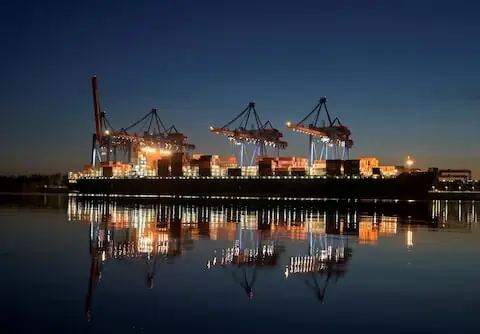
Illustration concept: A modern shipping port with cargo containers emblazoned with German and Chinese motifs, set against an industrial cityscape, realistic photojournalism style.
AI summary
Germany's trade deficit with China expanded during the first half of 2026 as exports to the Asian country dropped over 12% to under €37 billion. The shift pushed China down to ninth among Germany's export markets as Chinese firms cut reliance on European goods.
Key takeaways
- German exports to China fell over 12% year-on-year to under €37 billion in H1 2026.
- China dropped to the ninth-largest market for German exports, down from second place in 2021.
- Industrial headwinds from Chinese competition and US tariffs led to major layoffs at firms like Volkswagen.
- Despite falling German exports, China remains Germany's largest overall trading partner.
A growing gap in bilateral trade saw Germany's commercial deficit with China expand further during the first six months of 2026. According to preliminary statistics published by the state-run agency Germany Trade & Invest (GTAI), the Asian country maintained its position as Berlin's primary global trading partner despite shifting exchange dynamics.
Between January and June, German goods shipped to Chinese buyers plummeted by more than 12% year-on-year, landing just under €37 billion. The contraction highlights a broader strategic effort by Chinese enterprises to decrease their dependence on European manufactured imports.
This downward slide marks a major change from recent trade patterns. Back in 2021, China stood as the second-largest destination for German exports, absorbing €104 billion in merchandise despite pandemic-related disruptions. Beijing has now slipped to ninth place among Germany's export destinations.
German industrial leaders are facing intense pressures, caught between aggressive competition from Chinese producers and trade hurdles like U.S. tariffs. These compounded difficulties have triggered substantial job cutbacks across core manufacturing heavyweights, including automotive giant Volkswagen.
Meanwhile, Chinese manufacturers continue to expand their market footprint in Germany. The surge in imports from China pushed the bilateral trade imbalance past the €40 billion deficit registered during the corresponding period in 2025.
Frequently asked questions
- How much did German exports to China drop in H1 2026?
- German exports to China decreased by more than 12% year-on-year between January and June 2026, reaching just under €37 billion.
- Where does China rank among Germany's export destinations?
- China currently ranks as the ninth-largest destination for German goods, down significantly from its position as the second-largest export market in 2021.
- What factors are impacting German manufacturers like Volkswagen?
- German industrial companies are struggling due to a combination of rising competition from Chinese manufacturers, U.S. tariffs, and reduced demand from Chinese firms moving away from European imports.
Source & transparency
- By:
- Tony
- Source:
- Business Recorder
- Original publication:
- Aug 9, 2026, 8:10 AM
- The Reviser publication:
- Aug 9, 2026, 8:10 AM
- Updated:
- Aug 9, 2026, 8:31 AM
This report was independently written by The Reviser editorial desk from verified source material. It is not original on-the-ground reporting by The Reviser.
Related articles
DELTA FLIGHT EMERGENCY EVACUATION
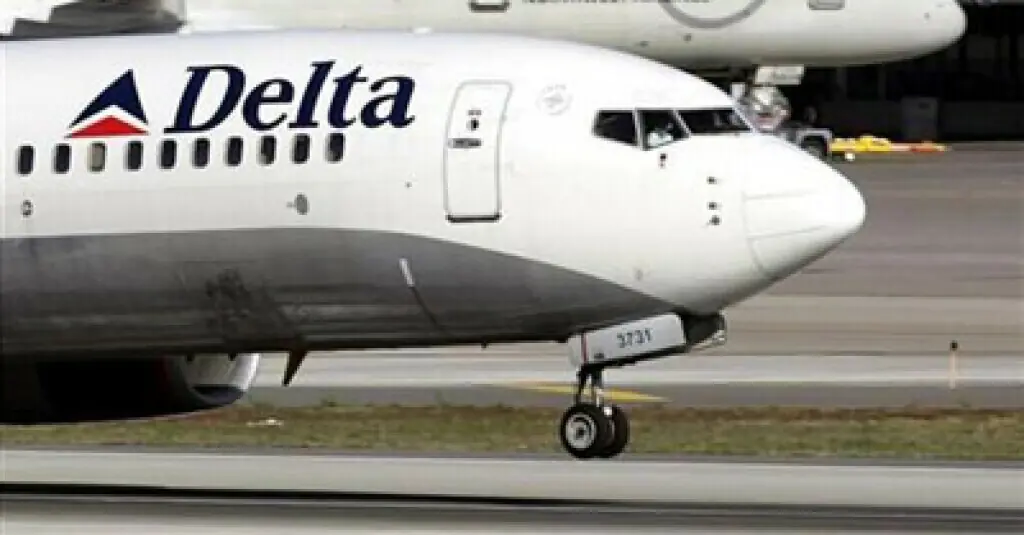
Delta Jet Evacuated in Atlanta After Fumes Hit Cockpit
AI summaryA Delta Air Lines flight bound for Orlando was forced to make an emergency return to Atlanta after crew members detected fumes inside the cockpit on Saturday. All 205 people on board evacuated via emergency slides, with two individuals later requiring medical attention before passengers were moved to a replacement plane.
CHINA INFLATION COOLS IN JULY
China July Inflation Slows as Energy Prices Fall
AI summaryOfficial statistics show that China experienced a slowdown in both producer and consumer price growth during July, heavily influenced by falling global energy costs. In response to sluggish domestic demand, Beijing is moving to expedite budgeted infrastructure disbursements.

HUB WATER CRISIS ESCALATES
Hub Industrial Area Faces Acute Water Deprivation Crisis
AI summaryIndustrial operations in Hub are confronting a crippling water shortage, threatening local manufacturing and economic output. Business representatives allege that the region is suffering from a systematic withholding of its designated water supply.

FLOUR PRICES RISE IN PAKISTAN
Pakistan Flour Prices Surge Amid Grain Import Delay
AI summaryWheat and flour prices across Pakistan have registered further increases despite federal plans to import one million tonnes of grain. Market traders warn that without immediate price management, consumers will fail to see substantial relief once imported supplies arrive.