Perseid Meteors and Solar Eclipse Set for Next Week
Skywatchers Prepare for Rare Double Celestial Spectacle Next Week
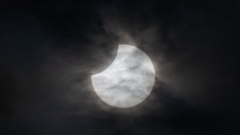
DOUBLE SKY EVENT NEXT WEEK
Illustration concept: A wide-angle conceptual photographic render showing a split view of a dark partial solar eclipse during daytime alongside a starry night sky filled with bright Perseid meteor streaks.
AI summary
Astronomy enthusiasts are preparing for two prominent astronomical phenomena occurring next week. According to BBC Science, a deep partial solar eclipse will be followed immediately by the peak of the annual Perseid meteor shower.
Why this matters
The convergence of two distinct astronomical events within a single week creates a rare viewing window for skywatchers. Such back-to-back spectacles offer exceptional public interest in observational astronomy and sky monitoring.
Key takeaways
- Two major astronomical phenomena are scheduled to take place next week.
- The events include a deep partial solar eclipse followed by the Perseid meteor shower peak.
- According to BBC Science, the close timing provides a unique celestial spectacle for skywatchers.
- The sequence features both daytime and nighttime astronomical viewing opportunities.
Astronomy enthusiasts are preparing for an exceptional period of stargazing as two major celestial phenomena occur back-to-back next week, according to reports from BBC Science.
The double showcase begins with a deep partial solar eclipse. During this event, the Moon will obscure a substantial portion of the Sun's disk as seen from Earth, providing skywatchers with a dramatic daytime display.
Following shortly after the eclipse, observers will have the chance to watch the peak of the Perseid meteor shower. The annual Perseid display is widely recognized as one of the most visible meteor showers of the year.
With both an eclipse and a peak meteor shower taking place in close sequence, the upcoming week presents a rare dual viewing opportunity for astronomers and casual stargazers alike.
Frequently asked questions
- What celestial events are scheduled for next week?
- Skywatchers can expect a deep partial solar eclipse followed by the peak of the Perseid meteor shower.
- What occurs during a deep partial solar eclipse?
- During a deep partial solar eclipse, the Moon moves between the Earth and the Sun, obscuring a significant portion of the solar face.
- Why is next week notable for skywatchers?
- The occurrence of two major astronomical events within the same week offers a rare double feature for observational astronomy.
Source & transparency
- By:
- The Reviser Desk
- Source:
- BBC Science
- Original publication:
- Aug 12, 2026, 6:33 AM
- The Reviser publication:
- Aug 12, 2026, 6:33 AM
- Updated:
- Aug 12, 2026, 7:00 AM
This report was independently written by The Reviser editorial desk from verified source material. It is not original on-the-ground reporting by The Reviser.
Related stories
DOUBLE SKY SHOW NEXT WEEK
Solar Eclipse and Perseid Meteor Shower Due Next Week
AI summaryAstronomy enthusiasts are preparing for a rare double celestial spectacle scheduled for next week. A significant partial solar eclipse will obscure much of the sun before the annual Perseid meteor shower reaches its maximum activity.
PERSEID METEOR SHOWER PEAKS
Perseid Meteor Shower Peak Offers Best View Wednesday
AI summaryThe annual Perseid meteor shower will reach its peak on Wednesday night, according to BBC Science. This event offers celestial observers their best opportunity to spot shooting stars across the night sky.

96% ECLIPSE OVER ENGLAND
Partial Solar Eclipse to Obscure Up to 96% of Sun in August
AI summaryParts of England are expected to experience a major celestial event on August 12 as a partial solar eclipse sweeps across the region. At its peak, the moon could block out up to 96 percent of the sun in certain locations, according to reports from BBC Science.

HEATWAVE SAFETY WARNING DISABILITY
Disabled Campaigners Warn Heatwave Advice Increases Risks
AI summaryDisability advocates have warned that standard public health guidance for extreme heat can exacerbate risks for disabled individuals. According to reports from BBC Science, campaigners emphasize that official advice often fails to account for specific medical and accessibility needs.