Pakistan's 2,000MW AI Power Plan Faces Grid Realities
Why Allocating Power to AI Data Centers in Pakistan Is Not So Simple

GRID REALITIES FOR AI POWER
Illustration concept: A high-tech digital concept depicting an illuminated power grid overlaying a map of South Asia, with high-voltage electrical towers seamlessly morphing into futuristic AI servers and data centers, hyper-realistic, dramatic blue and golden lighting.
AI summary
Pakistan's decision to reserve 2,000 megawatts of electricity for artificial intelligence infrastructure and cryptocurrency mining has sparked intense debate over energy equity and grid capability. According to an analytical perspective published by Dawn, headline generation figures overlook crucial technical challenges such as regional transmission bottlenecks and seasonal demand fluctuations.
Key takeaways
- Pakistan has proposed reserving 2,000 megawatts of power for AI data centers and crypto mining.
- Media commentary by Dawn emphasizes that total power generation capacity is less critical than localized grid reliability.
- Peak summer cooling demands strain transmission systems, whereas winter months leave generation capacity underutilized.
- Infrastructure constraints, such as substation limits and transmission bottlenecks, pose serious hurdles to tech-focused power allocations.
Islamabad's bold proposal to dedicate 2,000 megawatts of electricity toward artificial intelligence infrastructure and cryptocurrency operations has ignited widespread debate across the energy sector. While initial public commentary focused on whether the country can afford to divert such substantial generation capacity, editorial commentary published in Dawn suggests that framing the issue purely around energy volume misses the core operational realities of modern power distribution.
Different digital operations place fundamentally distinct burdens on an electrical grid. Continuous AI model training, real-time cloud services, and crypto-mining hardware operate under varying load profiles. Supplying uninterrupted, high-quality power to specialized data facilities requires far more than matching peak generation capacity on a national ledger; it demands hyper-localized reliability and consistent power quality that many regional networks struggle to provide.
Pakistan's broader energy dilemma lies in the spatial and temporal imbalances of its distribution system. During extreme summer heatwaves, widespread residential cooling pushes transmission lines to severe capacity limits. Conversely, large portions of generation capacity lie idle during cooler months, creating an uneven load cycle that complicates long-term power planning.
Simply having surplus capacity generated in one part of the country does not ensure it can be safely and efficiently routed to high-tech hubs elsewhere. Transmission bottlenecks, inadequate substation infrastructure, and localized line losses mean that headline allocation commitments often run into hard physical constraints at the regional level.
Ultimately, as Dawn's commentary highlights, accommodating energy-intensive digital industries will require policymakers to move beyond simple megawatt targets. Addressing the technical realities of grid delivery, seasonal demand swings, and localized infrastructure constraints will be essential before these ambitious technological allocations can become operational realities.
Frequently asked questions
- How much power did Pakistan announce for AI and crypto mining?
- The government announced a plan to allocate 2,000 megawatts of power specifically for AI data centers and Bitcoin operations.
- Why is headline power capacity not the only issue for data centers?
- Data centers require consistent power quality, reliable localized transmission, and uninterrupted supply, which cannot be guaranteed by raw national generation numbers alone.
- How do seasonal shifts impact Pakistan's power grid?
- Summer months experience massive spikes in cooling demand that test grid capacity, while winter periods often leave power generation assets underused.
Source & transparency
- By:
- Jawad
- Source:
- Dawn Opinion
- The Reviser publication:
- Aug 8, 2026, 3:48 AM
- Updated:
- Aug 8, 2026, 10:20 AM
This report was independently written by The Reviser editorial desk from verified source material. It is not original on-the-ground reporting by The Reviser.
Related articles

HONORING THE FALLEN POLICE
Pakistan's Police Sacrifice Amid Rising Terror Risk
AI summaryTop state leaders honored fallen law enforcement officers on Police Martyrs Day, praising their dedication against violent extremism and crime. However, editorial commentary from Dawn highlights an escalating fatality rate, as hundreds of security personnel lost their lives in counterterrorism efforts throughout early 2026.
MONSOON DESTRUCTION FLOOD CRISIS
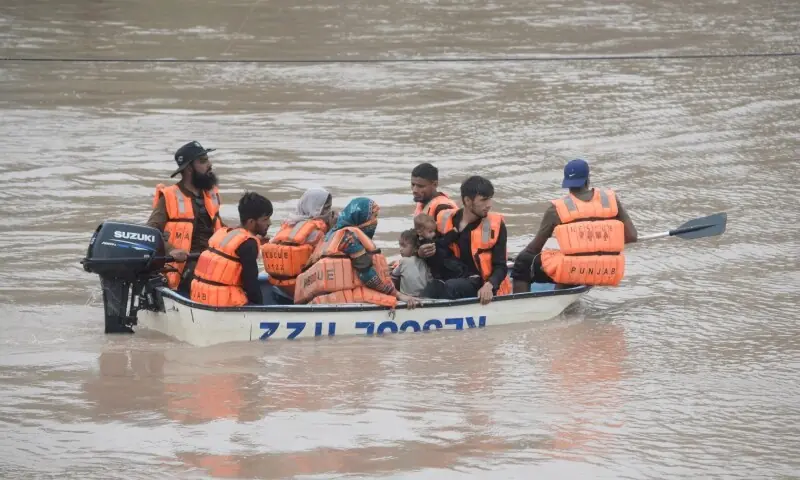
Pakistan Monsoon Floods: A Growing Humanitarian Crisis
AI summaryHeavy monsoon rains across Pakistan have claimed over 150 lives and severely damaged critical infrastructure, according to recent official statistics. Dawn highlights that transport blockages, particularly in rugged terrain like Chitral, are preventing vulnerable populations from accessing essential healthcare facilities.
NAVIGATING STRAIN AND NUANCE
How Commentators Manage Cognitive Strain
AI summaryIn a landscape demanding constant commentary, media analysts must find strategies to retain cognitive clarity and process emotional tension. Insights from NYT Opinion emphasize the role of passive engagement in sustaining nuanced public discourse.
BEYOND THE SOUNDBITE
Rethinking the Media Interview in an Era of Polarization
AI summaryIn an era dominated by performative political debate, modern interviewing techniques are shifting toward creating space for audience reflection rather than partisan victory. Commentary from The New York Times Opinion highlights how open-ended inquiry can serve as a crucial tool for navigating complex contemporary issues.