Pakistan Monsoon Floods: A Growing Humanitarian Crisis
Escalating Monsoon Destruction Threatens Healthcare in Remote Pakistan
MONSOON DESTRUCTION FLOOD CRISIS
Illustration concept: A dramatic cinematic photo of a washed-away wooden bridge over a raging, muddy alpine river in the mountainous northern region of Pakistan, under heavy overcast monsoon skies.
AI summary
Heavy monsoon rains across Pakistan have claimed over 150 lives and severely damaged critical infrastructure, according to recent official statistics. Dawn highlights that transport blockages, particularly in rugged terrain like Chitral, are preventing vulnerable populations from accessing essential healthcare facilities.
Key takeaways
- National disaster management records show 151 deaths and hundreds of injuries during the recent monsoon wave.
- Critical infrastructure damage includes over 1,200 houses destroyed or compromised alongside key roads and bridges.
- Transport disruptions in Chitral have caused a 55 percent decline in patient attendance at Lower Chitral's main hospital.
- Severe weather phenomena like cloudbursts and glacial lake outburst floods are worsening access to emergency healthcare.
As another intense wave of monsoon weather looms over Pakistan, the human and physical toll of the current season is reaching alarming proportions. Editorial commentary from Pakistani newspaper Dawn underscores that the nation is already bearing a heavy burden from torrential rains, with official emergency management data indicating over 150 fatalities—nearly half of them children—and hundreds more injured within a six-week span.
Beyond the immediate loss of life, severe weather events have inflicted widespread destruction on basic infrastructure. Over 1,200 residences have been damaged or completely destroyed, while crucial transit routes, including dozens of bridges and extensive stretches of highway, have been rendered impassable. Dawn observes that these structural failures are rapidly transforming natural hazards into lingering secondary emergencies.
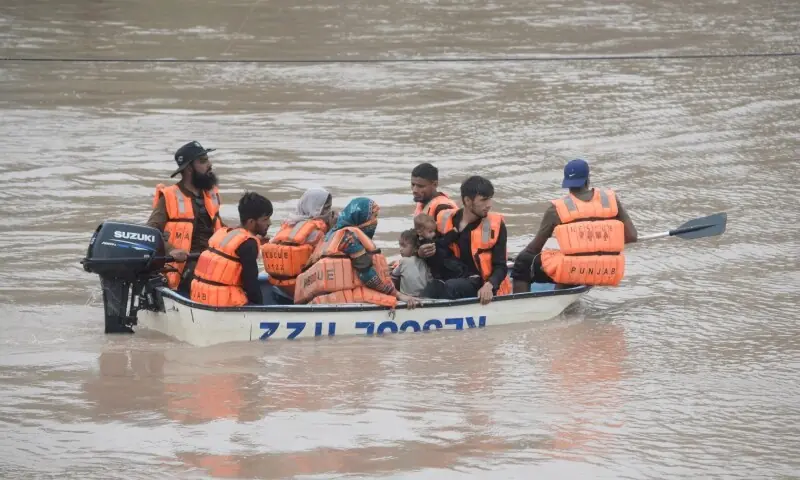
The mountainous region of Chitral serves as a stark illustration of this compounding crisis. Glacial lake outburst floods, cloudbursts, and rapid flooding have severed vital arterial roads and collapsed connecting bridges. Consequently, entire rural communities find themselves physically isolated, unable to travel to urban administrative centers for critical supplies or urgent medical assistance.
The consequences for public health are already evident in regional medical metrics. At the main hospital in Lower Chitral, patient visits have plummeted by more than half as landslides and river overflows prevent travel. Residents in remote villages are entirely unable to make the trip, raising serious concerns regarding untreated illness, obstetric emergencies, and delayed trauma care.
Dawn argues that addressing this seasonal catastrophe requires immediate intervention alongside long-term strategic resilience planning. Without rapid effort to restore destroyed infrastructure and deploy emergency medical access to cut-off districts, the casualty list will inevitably extend far beyond those directly hit by floodwaters.
Frequently asked questions
- What is the extent of casualties reported during the recent monsoon period in Pakistan?
- Official disaster management records from late June to early August document 151 deaths—including 73 children—and nearly 450 injuries across affected areas.
- How has infrastructure damage impacted healthcare access in Chitral?
- Washed-away bridges and destroyed roads have physically cut off remote villages, leading to a 55 percent drop in patient attendance at Lower Chitral's main hospital.
- What main editorial point is highlighted by Dawn regarding the ongoing monsoons?
- Dawn emphasizes that beyond direct flood fatalities, infrastructure destruction creates severe secondary health crises that urgently require restored transport routes and emergency aid.
Source & transparency
- By:
- Jawad
- Source:
- Dawn Opinion
- The Reviser publication:
- Aug 8, 2026, 3:27 AM
- Updated:
- Aug 8, 2026, 10:21 AM
This report was independently written by The Reviser editorial desk from verified source material. It is not original on-the-ground reporting by The Reviser.
Related articles

GRID REALITIES FOR AI POWER
Pakistan's 2,000MW AI Power Plan Faces Grid Realities
AI summaryPakistan's decision to reserve 2,000 megawatts of electricity for artificial intelligence infrastructure and cryptocurrency mining has sparked intense debate over energy equity and grid capability. According to an analytical perspective published by Dawn, headline generation figures overlook crucial technical challenges such as regional transmission bottlenecks and seasonal demand fluctuations.

HONORING THE FALLEN POLICE
Pakistan's Police Sacrifice Amid Rising Terror Risk
AI summaryTop state leaders honored fallen law enforcement officers on Police Martyrs Day, praising their dedication against violent extremism and crime. However, editorial commentary from Dawn highlights an escalating fatality rate, as hundreds of security personnel lost their lives in counterterrorism efforts throughout early 2026.
NAVIGATING STRAIN AND NUANCE
How Commentators Manage Cognitive Strain
AI summaryIn a landscape demanding constant commentary, media analysts must find strategies to retain cognitive clarity and process emotional tension. Insights from NYT Opinion emphasize the role of passive engagement in sustaining nuanced public discourse.
BEYOND THE SOUNDBITE
Rethinking the Media Interview in an Era of Polarization
AI summaryIn an era dominated by performative political debate, modern interviewing techniques are shifting toward creating space for audience reflection rather than partisan victory. Commentary from The New York Times Opinion highlights how open-ended inquiry can serve as a crucial tool for navigating complex contemporary issues.