Rethinking the Media Interview in an Era of Polarization
How Open-Ended Political Dialogue Offers a Blueprint for Modern Journalism
BEYOND THE SOUNDBITE
Illustration concept: A minimal studio setup with two microphones on a sleek table, soft warm lighting, cinematic depth of field, journalistic ambiance
AI summary
In an era dominated by performative political debate, modern interviewing techniques are shifting toward creating space for audience reflection rather than partisan victory. Commentary from The New York Times Opinion highlights how open-ended inquiry can serve as a crucial tool for navigating complex contemporary issues.
Key takeaways
- Media commentary emphasizes open-ended dialogue over partisan confrontation.
- The approach aims to create reflective space for audiences rather than imposing pre-determined viewpoints.
- Deliberative journalism provides a strategic counter-weight to rapid, performative political commentary.
Contemporary media culture often prioritizes high-octane confrontation over nuanced exploration, transforming political interviews into arenas for viral soundbites rather than substantive inquiry. As public discourse fractures along partisan lines, traditional broadcast models frequently leave audiences with pre-packaged arguments rather than room for genuine critical thought.
Examining this media dynamic, commentary published by The New York Times Opinion emphasizes an alternative methodology focused on intellectual open-endedness. According to the publication's assessment, effective interviewing should function primarily as an environment for active listening and reflection, avoiding the temptation to prescribe specific conclusions to the audience.
This analytical framework suggests that modern journalism faces a crucial choice between performative cross-examination and constructive dialogue. Rather than badgering guests into tactical admissions, media platforms gain greater editorial depth when they grant subjects the breathing room to unpack intricate policy challenges, economic models, and ethical dilemmas.
By reorienting audio and print formats toward intellectual discovery, commentators argue that news outlets can better serve a public weary of hyper-partisan rhetoric. The focus shifts from winning an argument to illuminating reasoning, allowing audiences to evaluate competing perspectives on pressing global and domestic affairs for themselves.
Ultimately, this approach underscores a broader shift in how media organizations construct authoritative commentary. In a modern information ecosystem saturated with rapid hot takes, offering structured, patient engagement may prove to be the most effective strategy for fostering informed democratic engagement.
Frequently asked questions
- What is the core argument behind open-ended interviewing?
- The methodology prioritizes giving audiences space to think critically rather than steering them toward a pre-packaged conclusion.
- How does this approach differ from traditional media interviews?
- Traditional interviews often focus on confrontation and quick soundbites, whereas deliberative formats allow guests to unpack complex issues patiently.
- Why is this interview philosophy relevant to modern media?
- In a polarized media landscape, thoughtful, open inquiries help foster genuine public understanding over performative partisan debate.
Source & transparency
- By:
- Jawad
- Source:
- NYT Opinion
- The Reviser publication:
- Aug 8, 2026, 12:57 AM
- Updated:
- Aug 8, 2026, 10:21 AM
This report was independently written by The Reviser editorial desk from verified source material. It is not original on-the-ground reporting by The Reviser.
Related articles

GRID REALITIES FOR AI POWER
Pakistan's 2,000MW AI Power Plan Faces Grid Realities
AI summaryPakistan's decision to reserve 2,000 megawatts of electricity for artificial intelligence infrastructure and cryptocurrency mining has sparked intense debate over energy equity and grid capability. According to an analytical perspective published by Dawn, headline generation figures overlook crucial technical challenges such as regional transmission bottlenecks and seasonal demand fluctuations.

HONORING THE FALLEN POLICE
Pakistan's Police Sacrifice Amid Rising Terror Risk
AI summaryTop state leaders honored fallen law enforcement officers on Police Martyrs Day, praising their dedication against violent extremism and crime. However, editorial commentary from Dawn highlights an escalating fatality rate, as hundreds of security personnel lost their lives in counterterrorism efforts throughout early 2026.
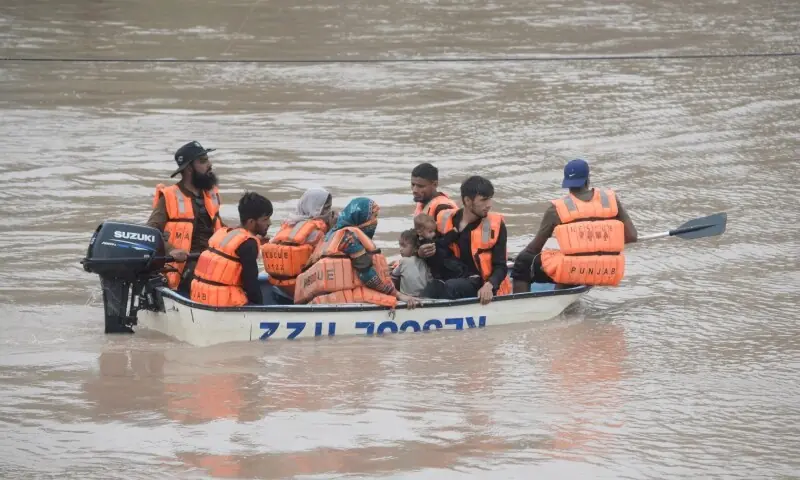
MONSOON DESTRUCTION FLOOD CRISIS
Pakistan Monsoon Floods: A Growing Humanitarian Crisis
AI summaryHeavy monsoon rains across Pakistan have claimed over 150 lives and severely damaged critical infrastructure, according to recent official statistics. Dawn highlights that transport blockages, particularly in rugged terrain like Chitral, are preventing vulnerable populations from accessing essential healthcare facilities.
NAVIGATING STRAIN AND NUANCE
How Commentators Manage Cognitive Strain
AI summaryIn a landscape demanding constant commentary, media analysts must find strategies to retain cognitive clarity and process emotional tension. Insights from NYT Opinion emphasize the role of passive engagement in sustaining nuanced public discourse.