Gulf Stocks Edge Up as Geopolitical Standoff Lifts Oil Prices
Gulf Equities Make Slight Gains While Stalled Iran Peace Talks Boost Crude
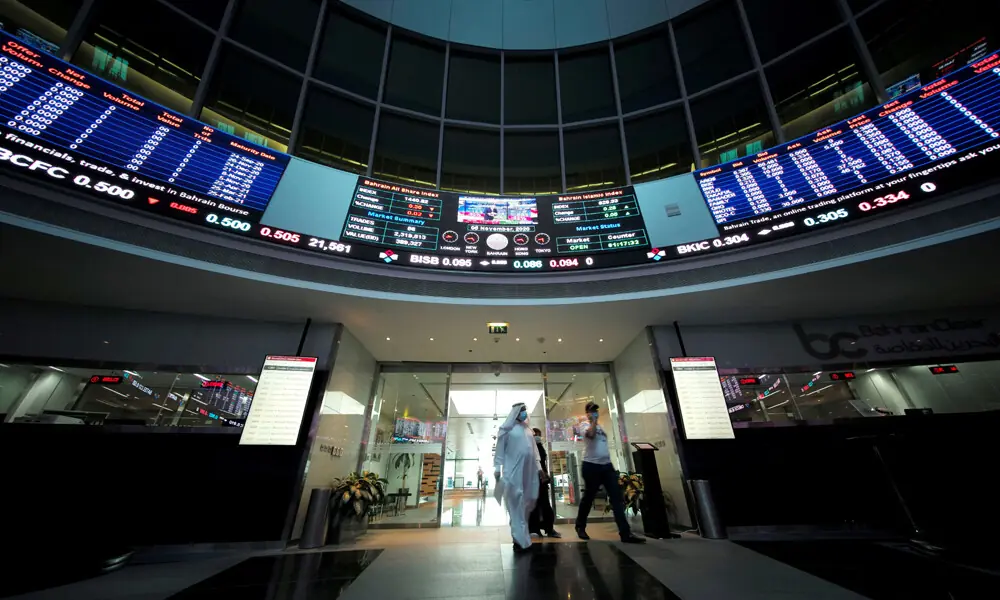
GULF STOCKS OIL RISES
Illustration concept: A digital graphic showing stock trading screens with fluctuating green and red tickers, with a dark background depicting shipping oil tankers on the sea.
AI summary
Gulf stock markets ended modestly higher on Wednesday, supported by isolated stock rallies despite persistent geopolitical friction in the Middle East. Meanwhile, crude oil prices surged as negotiations between the United States and Iran hit a stalemate over ceasefire conditions.
Why this matters
Continued volatility in Middle Eastern equity markets highlights how geopolitical escalation directly impacts global energy supplies and investor sentiment. With key transit routes like the Strait of Hormuz facing ongoing threats, energy market stability remains closely tied to diplomatic progress in the region.
Key takeaways
- Gulf stock benchmarks saw minor gains on Wednesday, driven by stock-specific buying despite broader geopolitical headwinds.
- Crude oil benchmarks surged over 1%, with Brent reaching $88.91 per barrel amid diminishing prospects of a quick resolution to the conflict.
- Iranian official Mohsen Rezaei reiterated that the Strait of Hormuz will stay closed until the U.S. unfreezes Iranian funds and halts regional clashes.
- Diplomatic channels between Washington and Tehran appear stalled, with no active negotiations underway to extend ceasefire terms.
Equity markets across the Gulf region recorded slight advances on Wednesday, largely driven by gains in select equities rather than a broad market rally. However, market optimism was constrained as hopes for a diplomatic breakthrough in the ongoing conflict involving Iran continued to fade, keeping broader investor confidence cautious.
The lingering geopolitical tension exerted upward pressure on global energy markets. Brent crude futures gained 1.4% to settle at $88.91 per barrel, while West Texas Intermediate crude increased by 1.3% to reach $83.20. The energy price surge followed fresh signals that military actions and maritime risks show little sign of abating.
According to a senior Iranian official speaking to Reuters, Washington and Tehran have not engaged in discussions regarding an extension of the ceasefire, noting that Iran considers the prior agreement to lack set expiration dates. Adding to regional instability, separate maritime strikes were reported on Tuesday by both the United States and Yemen-based Houthi forces.
Security posture in the vital maritime corridor remains compromised. Iranian top security official Mohsen Rezaei stated that the Strait of Hormuz would remain blocked unless the U.S. fulfills Tehran’s conditions. These demand an unfreezing of Iranian assets overseas along with an immediate halt to broader regional hostilities.
On the trading floor, Saudi Arabia's main benchmark index posted a slight gain of 0.1%. The index received support from Saudi Arabian Mining Co, which climbed 1.5% after having dropped by 1.2% during the previous trading session, demonstrating how individual corporate performances provided a buffer against macroeconomic headwinds.
Frequently asked questions
- Why did oil prices rise on Wednesday?
- Oil prices climbed as renewed pessimism over diplomatic progress between Tehran and Washington fueled fears of prolonged supply and transit disruptions in the Middle East.
- What conditions did Iran state for reopening the Strait of Hormuz?
- Iranian security official Mohsen Rezaei insisted that Washington must unfreeze Iranian assets and bring an end to regional military conflicts before the strategic shipping lane reopens.
- How did Saudi stock indexes perform?
- Saudi Arabia's main index edged up 0.1%, aided by a 1.5% rebound in Saudi Arabian Mining Co.
Source & transparency
- By:
- The Reviser Desk
- Source:
- Business Recorder
- Original publication:
- Aug 12, 2026, 1:52 PM
- The Reviser publication:
- Aug 12, 2026, 1:52 PM
- Updated:
- Aug 12, 2026, 2:00 PM
This report was independently written by The Reviser editorial desk from verified source material. It is not original on-the-ground reporting by The Reviser.
Related stories

GULF MARKETS SLIP ON HORMUZ
Gulf Markets Slip as Hormuz Deal Talks Face Iranian Demands
AI summaryStock benchmarks across the Gulf region recorded modest declines on Monday as investors adopted a cautious stance amid diplomatic negotiations over the Strait of Hormuz. Reopening talks between Iran and Oman face complications over Tehran's demand for U.S. concessions, alongside fresh Houthi claims of an attack on Saudi Aramco infrastructure.
EUROPEAN STOCKS HOLD STEADY
European Stocks Pause Near Record Highs Amid Hormuz Oil Risks
AI summaryEuropean equity benchmarks held near record levels on Monday morning as markets balanced ongoing geopolitical risks in the Middle East with expectations for upcoming economic indicators. Gains in tech and energy shares helped offset caution stemming from restricted oil transport through the Strait of Hormuz.

PSX DROPS 1,100+ POINTS
PSX KSE-100 Index Drops Over 1,100 Points as US-Iran Hopes Fade
AI summaryThe Pakistan Stock Exchange suffered a significant downturn on Tuesday morning, with the benchmark KSE-100 index dropping more than 1,100 points during early trade. Diminishing optimism regarding diplomatic negotiations between the US and Iran contributed to widespread selling across key commercial and industrial sectors.
GULF MARKETS SLIP
Gulf Stock Markets Fall as US Iran Peace Hopes Dim
AI summaryMiddle Eastern equity markets faced downward pressure on Tuesday as prospects for a diplomatic breakthrough between Washington and Tehran weakened. Tensions were further heightened by security disruptions impacting key regional energy infrastructure in Saudi Arabia.