India Regulator Finds No Foul Play in Stock Closing Auctions
SEBI Finds No Irregularities in Newly Launched Closing Auction Session
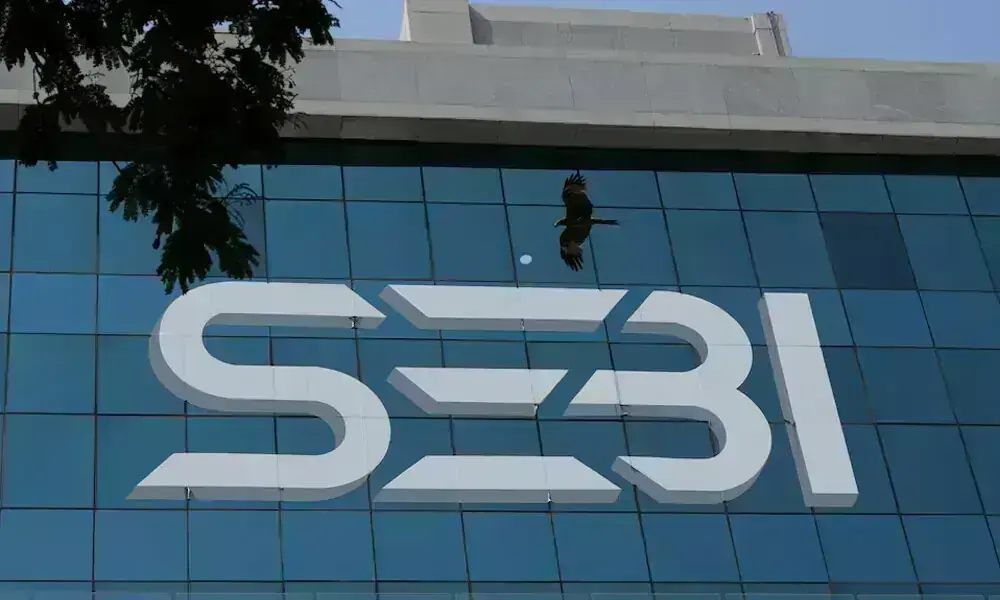
NO FOUL PLAY IN AUCTION
Illustration concept: A modern financial trading floor visual with stock tickers and digital charts displaying Indian market indices in a sleek corporate environment, photo realistic.
AI summary
The Securities and Exchange Board of India has reported no evidence of market manipulation following the launch of its new closing auction session last week. Regulator chief Tuhin Kanta Pandey emphasized that the mechanism aims to enhance transparency and efficiency as participation gradually grows.
Why this matters
Establishing a reliable closing price mechanism is critical for institutional investors and funds that benchmark their portfolios against end-of-day valuations. By moving away from price averaging, the reform seeks to align Indian equity trading with global standards, potentially attracting greater international capital flow.
Key takeaways
- India's regulator observed no manipulation in the newly adopted stock closing auction.
- The 20-minute session determines closing stock prices by matching maximum order volumes.
- The reform replaces the legacy 30-minute average pricing model to boost market transparency.
- SEBI Chairman Tuhin Kanta Pandey noted the regulator is reviewing feedback to increase participation.
A major structural reform in Indian equity markets has passed its initial week without any signs of trade manipulation, according to the country's chief market regulator.
Speaking at an industry gathering in Mumbai on Wednesday, Securities and Exchange Board of India (SEBI) Chairman Tuhin Kanta Pandey confirmed that the watchdog has not detected any improper trading behavior during the newly introduced closing auction window.
Under the revamped structure, stock exchanges operate a dedicated 20-minute window at the end of the trading day. During this period, buy and sell orders are aggregated to establish a closing valuation where the largest volume of shares can be matched and fulfilled.
This system supplants the legacy protocol that calculated end-of-day stock valuations using an average trade price across the final half-hour of standard trading. The overhaul aims to make closing prices fairer and more transparent while streamlining big institutional order execution in line with international financial standards.
Addressing market adoption, Pandey acknowledged that structural changes naturally require a transition phase before attracting broader trading volume. He added that regulators are actively gathering stakeholder feedback to refine the setup and encourage wider market involvement over time.
Frequently asked questions
- What is the new stock closing auction in India?
- It is a dedicated 20-minute session at the end of the trading day where exchanges gather buy and sell orders to determine closing prices based on maximum volume execution.
- Why did SEBI replace the previous closing price calculation method?
- The previous method relied on average prices from the final 30 minutes of regular trading. The new system was introduced to create a fairer, more transparent end-of-day price and improve execution for large institutional orders.
- Has SEBI found any trading irregularities in the new system?
- No, SEBI Chairman Tuhin Kanta Pandey stated that the market regulator has not detected any price manipulation since the mechanism was rolled out.
Source & transparency
- By:
- The Reviser Desk
- Source:
- Business Recorder
- Original publication:
- Aug 12, 2026, 1:43 PM
- The Reviser publication:
- Aug 12, 2026, 1:43 PM
- Updated:
- Aug 12, 2026, 2:03 PM
This report was independently written by The Reviser editorial desk from verified source material. It is not original on-the-ground reporting by The Reviser.
Related stories
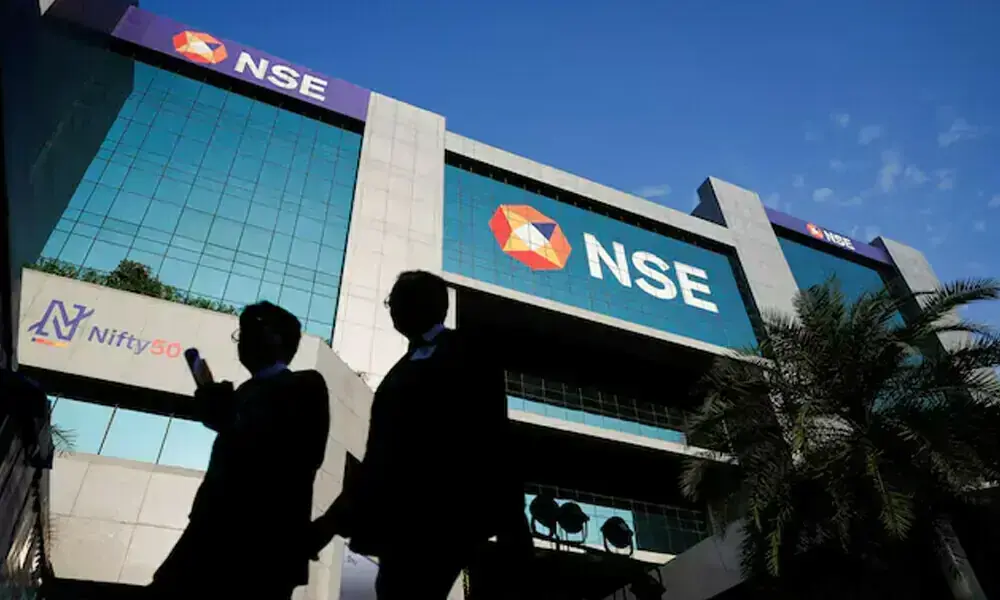
BSE JOINS NIFTY 50
BSE Replaces Wipro in Benchmark Nifty 50 Index Rebalance
AI summaryStock exchange operator BSE will replace IT giant Wipro in India's flagship Nifty 50 index effective September 30. The change follows the National Stock Exchange of India's semi-annual review, reflecting shifting capital flows into financial markets away from traditional IT exporters.

ISLAMIC TRADING ON PSX
Pakistan Stock Exchange Expands Islamic Investing Options
AI summaryThe Securities and Exchange Commission of Pakistan has introduced specialized Islamic brokerage windows across 33 brokerage firms to expand interest-free trading options. This initiative gives retail and institutional investors direct access to Shariah-compliant equities, Sukuk, and Islamic exchange-traded funds.
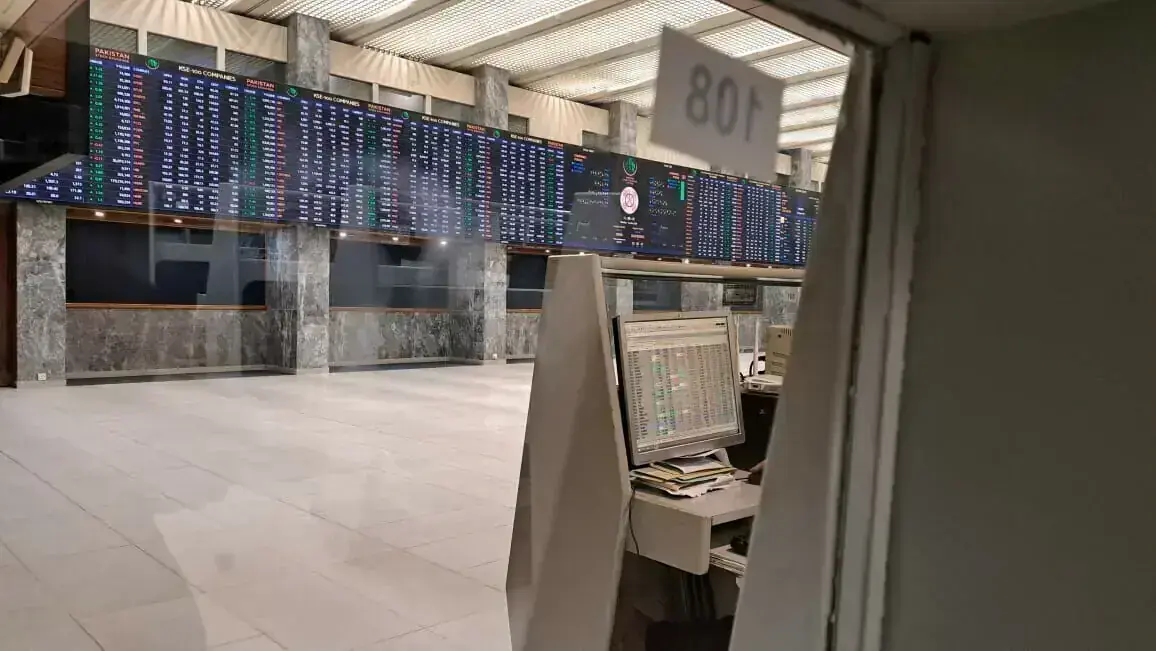
PSX UP 400 POINTS
PSX KSE-100 Index Gains Over 400 Points in Early Monday Trade
AI summaryThe Pakistan Stock Exchange opened Monday on a positive trajectory as the benchmark KSE-100 Index climbed over 400 points early in the session. Broad-based buying across energy, banking, and cement sectors helped sustain momentum following last week's robust 3 percent weekly gain.
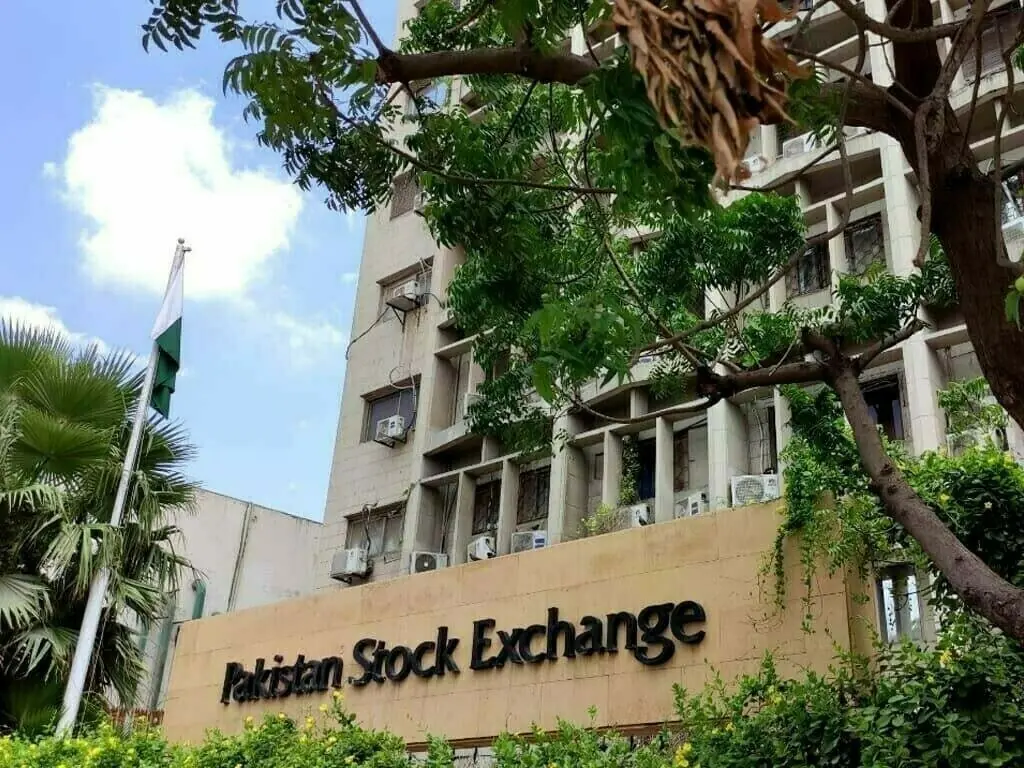
PSX CLOSED AUGUST 14
Pakistan Stock Exchange Announces August 14 Holiday Closure
AI summaryThe Pakistan Stock Exchange has announced it will remain closed on August 14 in observance of Independence Day. Trading operations, TRE Certificate holders, and exchange staff will observe the official national holiday.