Gulf Stock Markets Fall as US Iran Peace Hopes Dim
Middle East Equity Indices Slide on Growing Geopolitical Strains
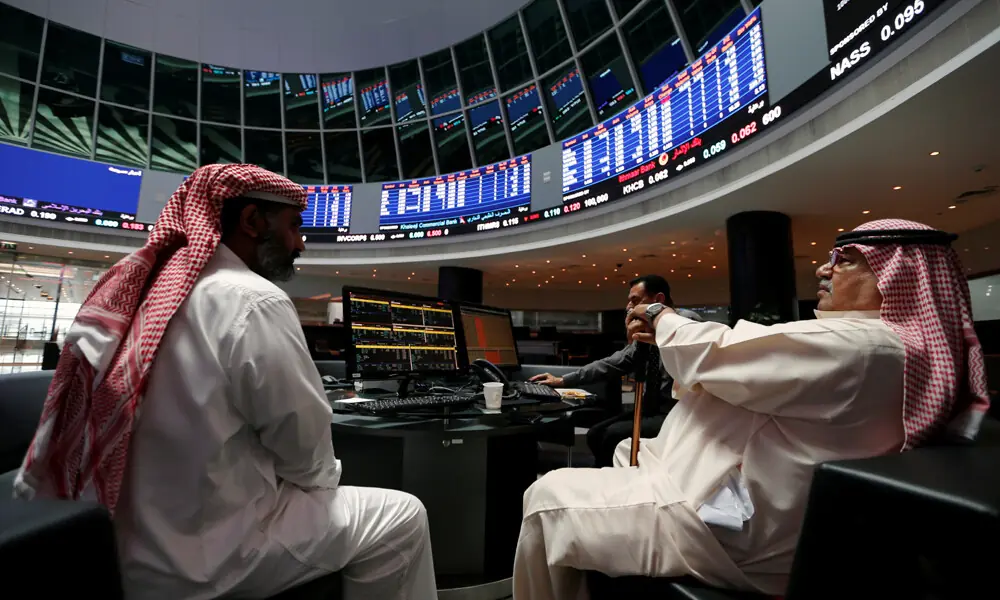
GULF MARKETS SLIP
Illustration concept: A wide-angle financial stock exchange trading floor with modern screens displaying red stock index numbers, styled with subtle Middle Eastern architectural motifs in the background.
AI summary
Middle Eastern equity markets faced downward pressure on Tuesday as prospects for a diplomatic breakthrough between Washington and Tehran weakened. Tensions were further heightened by security disruptions impacting key regional energy infrastructure in Saudi Arabia.
Why this matters
The stability of Gulf financial markets is tied directly to regional maritime security and international trade routes. Delays in diplomatic resolutions threaten crucial shipping passages like the Strait of Hormuz, impacting energy logistics and regional banking valuations.
Key takeaways
- Gulf stock benchmarks declined across Saudi Arabia, Dubai, and Abu Dhabi.
- Diplomatic uncertainty between the U.S. and Iran dampened investor enthusiasm.
- Saudi Aramco postponed the restart of its 400,000 bpd Jazan refinery to August 30 after a reported attack.
- Brent crude futures fell 0.24% to $87.51 per barrel amid broader market weakness.
Regional equity indices across the Gulf recorded losses on Tuesday as market sentiment soured following a downturn in diplomatic expectations between the United States and Iran. Investors recalibrated expectations regarding maritime passage through the Strait of Hormuz after political statements raised doubts over an impending deal, according to reports from Business Recorder.
Hardening rhetoric from U.S. President Donald Trump, who called for financial compensation concerning past military and civil losses, contributed to the diplomatic stalemate. The lack of momentum toward a resolution weighed on regional investor confidence across major Middle Eastern exchanges.
Saudi Arabia’s main index slipped 0.1%, weighed down by a 1.2% decline in Saudi Arabian Mining Company. Energy giant Saudi Aramco saw its shares tick down 0.1% after announcing a delay in bringing its 400,000-barrel-per-day Jazan refinery back online until August 30. The operational setback followed claims by Yemen’s Houthi movement that they launched an attack on the facility over the weekend.
Meanwhile, international crude benchmarks softened alongside equity weakness. Brent crude futures decreased by 21 cents, or 0.24%, trading at $87.51 per barrel by 1138 GMT.
Trading in the United Arab Emirates reflected similar caution. Dubai’s financial benchmark dropped 0.4%, impacted heavily by a 2.4% retreat in shares of top lender Emirates NBD. In Abu Dhabi, the main index closed 0.8% lower, influenced by a 0.6% fall in ADNOC Gas.
Frequently asked questions
- Why did Gulf stock markets decline on Tuesday?
- Markets fell due to fading expectations of a U.S.-Iran diplomatic deal, which heightened concerns over shipping security in the Strait of Hormuz and broader regional stability.
- What happened to Saudi Aramco's Jazan refinery?
- Saudi Aramco delayed the facility's restart until August 30 following claims by Yemen's Houthis that they targeted the 400,000-barrel-per-day plant in an attack.
- How did individual stock indices in the region perform?
- Saudi Arabia's index fell 0.1%, Dubai's main index declined 0.4%, and Abu Dhabi dropped 0.8%.
Source & transparency
- By:
- The Reviser Desk
- Source:
- Business Recorder
- Original publication:
- Aug 11, 2026, 1:49 PM
- The Reviser publication:
- Aug 11, 2026, 1:49 PM
- Updated:
- Aug 11, 2026, 2:02 PM
This report was independently written by The Reviser editorial desk from verified source material. It is not original on-the-ground reporting by The Reviser.
Related stories
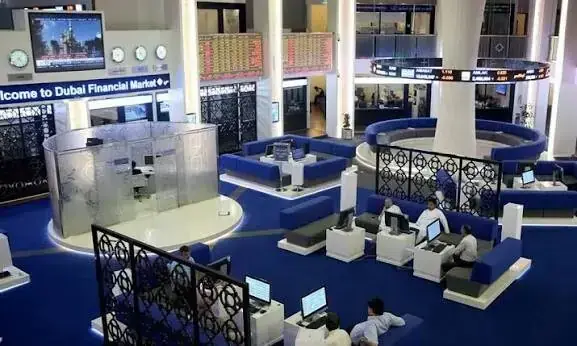
GULF MARKETS SLIP ON HORMUZ
Gulf Markets Slip as Hormuz Deal Talks Face Iranian Demands
AI summaryStock benchmarks across the Gulf region recorded modest declines on Monday as investors adopted a cautious stance amid diplomatic negotiations over the Strait of Hormuz. Reopening talks between Iran and Oman face complications over Tehran's demand for U.S. concessions, alongside fresh Houthi claims of an attack on Saudi Aramco infrastructure.
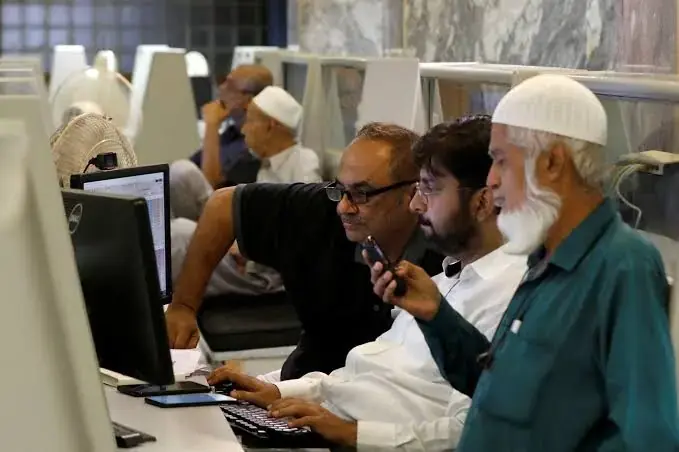
PSX DROPS 1,100+ POINTS
PSX KSE-100 Index Drops Over 1,100 Points as US-Iran Hopes Fade
AI summaryThe Pakistan Stock Exchange suffered a significant downturn on Tuesday morning, with the benchmark KSE-100 index dropping more than 1,100 points during early trade. Diminishing optimism regarding diplomatic negotiations between the US and Iran contributed to widespread selling across key commercial and industrial sectors.
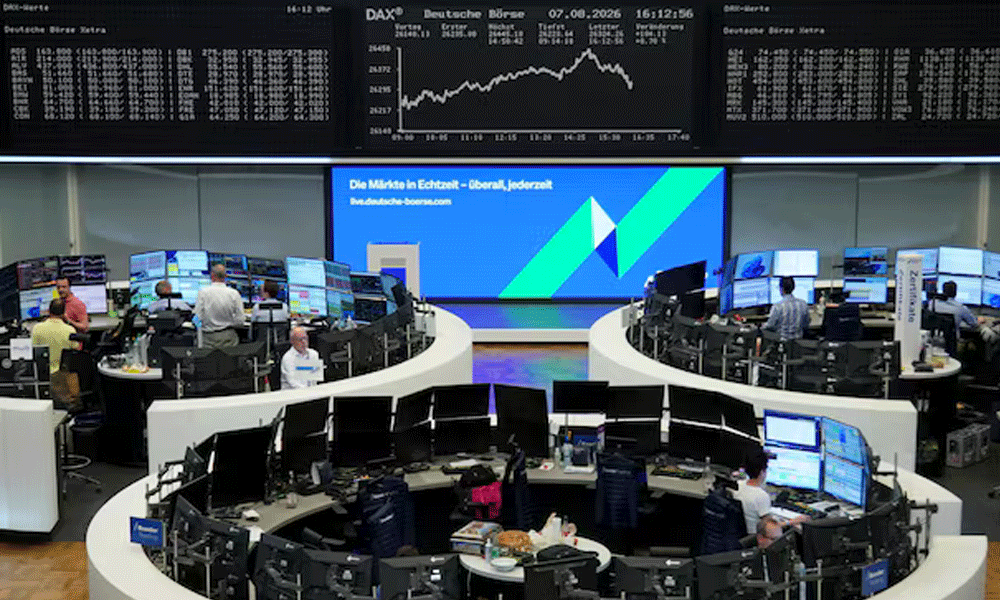
EUROPEAN STOCKS HOLD STEADY
European Stocks Pause Near Record Highs Amid Hormuz Oil Risks
AI summaryEuropean equity benchmarks held near record levels on Monday morning as markets balanced ongoing geopolitical risks in the Middle East with expectations for upcoming economic indicators. Gains in tech and energy shares helped offset caution stemming from restricted oil transport through the Strait of Hormuz.
INDIAN STOCKS EYE GAINS
Indian Shares Eye Higher Open After Soft US Jobs Data
AI summaryIndian equity markets are expected to start Monday's session on a positive note following gains across broader Asian stock indices. The rally comes as soft US employment figures reduced fears of impending Federal Reserve interest rate hikes, though rising oil prices and regulatory changes may cap further upside.