FTO Probes Tax Fraud via Mismatched Electricity Records
FTO Orders FBR Investigation Into Tax Credited to Wrong Electricity Users
TAX RECORD FRAUD EXPOSED
Illustration concept: A close-up concept photograph showing official Pakistani tax paperwork and an electricity bill next to a magnifying glass, realistic newsroom editorial lighting.
AI summary
The Federal Tax Ombudsman has ordered the Federal Board of Revenue to launch an inquiry into cases where tax collected through electricity bills is wrongly credited to unrelated citizens. Officials suspect this practice may be a deliberate tactic allowing actual power consumers to remain outside the national tax net.
Why this matters
This investigation highlights significant vulnerabilities in utility-linked tax collection mechanisms across Pakistan. If utility connections are intentionally registered under unlinked national identity numbers, high-consuming taxpayers can hide their actual expenditure and bypass scrutiny. A thorough audit could help plug systemic loopholes and ensure correct identity verification for tax compliance.
Key takeaways
- FTO ordered FBR to investigate tax misattribution linked to electricity connections.
- A complainant discovered their CNIC was being used to credit tax paid on another consumer's power bill.
- Authorities suspect the misallocation may be a deliberate tactic to shield actual consumers from the tax net.
- FBR must determine how wrong CNICs were linked and quantify the scope of resulting tax evasion.
Pakistan's Federal Tax Ombudsman (FTO) has launched an investigation into potential tax evasion involving utility connections after discovering that tax collected through an electricity bill was credited against the record of an unrelated individual.
According to details reported by Business Recorder, the irregularity came to light when a complainant flagged that their Computerised National Identity Card (CNIC) was attached to a utility connection they did not own. The complainant further assisted authorities by identifying the actual user operating the power connection.
Rather than treating the incident as a routine data entry mistake, the FTO raised concerns that it could represent an organized scheme. Under such an arrangement, tax payments are deliberately routed to non-consumers, effectively hiding the true power user's economic footprint from tax authorities.
To address these concerns, the Ombudsman instructed the Federal Board of Revenue (FBR) to carry out a detailed investigation. The FBR must ascertain how an unrelated citizen's CNIC was mapped onto the electricity billing system and evaluate whether the actual consumer successfully evaded tax documentation as a result.
Frequently asked questions
- What prompted the FTO to take action?
- The action was taken after a citizen reported that tax paid through an electricity bill was being deposited against their CNIC despite not being the actual connection holder.
- What is the suspected reason behind the CNIC mismatch?
- The FTO indicated that the arrangement might be a calculated effort to keep the real electricity consumer off the official tax radar rather than a simple administrative error.
- What has the FBR been instructed to do?
- The Federal Board of Revenue has been directed to thoroughly examine how the wrong CNIC was linked to the connection and assess if the actual user evaded tax profiling.
Source & transparency
- By:
- The Reviser Desk
- Source:
- Business Recorder
- Original publication:
- Aug 14, 2026, 2:24 AM
- The Reviser publication:
- Aug 14, 2026, 2:24 AM
- Updated:
- Aug 14, 2026, 2:31 AM
This report was independently written by The Reviser editorial desk from verified source material. It is not original on-the-ground reporting by The Reviser.
Related stories
NEW FBR CUSTOMS FINES
FBR Revises Pakistan Customs Penalties From October 1
AI summaryThe Federal Board of Revenue has announced revised fines for customs violations starting October 1, targeting late goods declarations and delayed cargo removals. Under SRO 136(I)/2026, maximum penalties can reach up to Rs1 million for severe delays in filing documentation.
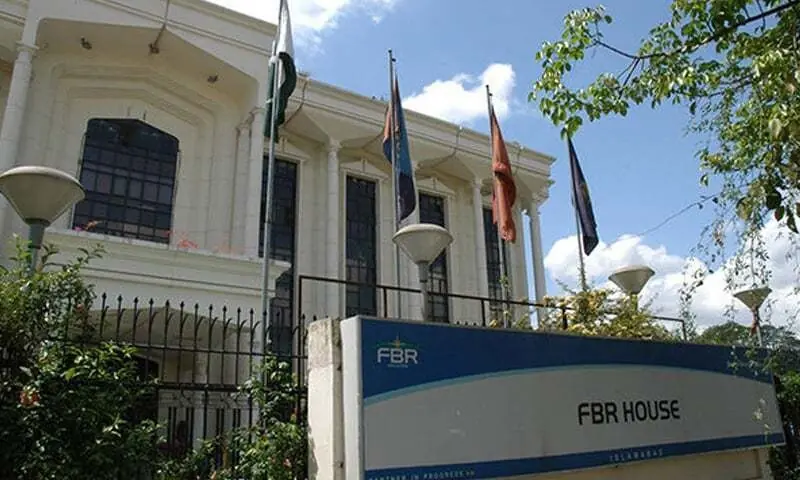
FBR CRACKS DOWN ON DELAYS
FBR Imposes Graded Fines for Customs Delay Under New Rules
AI summaryThe Federal Board of Revenue has introduced a new schedule of graded penalties starting October 1 to deter intentional customs clearance delays. The decision follows instructions from Prime Minister Shehbaz Sharif after a private firm exploited filing delays for temporary financial gain.
RS34BN TARIFF BURDEN PROTEST
Consumers Oppose Proposed Rs34bn Power Tariff Increase
AI summaryElectricity consumers have staged strong protests against a proposal to shift a Rs34 billion financial burden onto end-users through increased power tariffs. According to Dawn Business, critics argue that systemic power sector inefficiencies should not be passed on to already struggling households and businesses.
PETROL & DIESEL PRICES UP
Pakistan Fuel Prices Raised as Petrol and Diesel Rates Rise
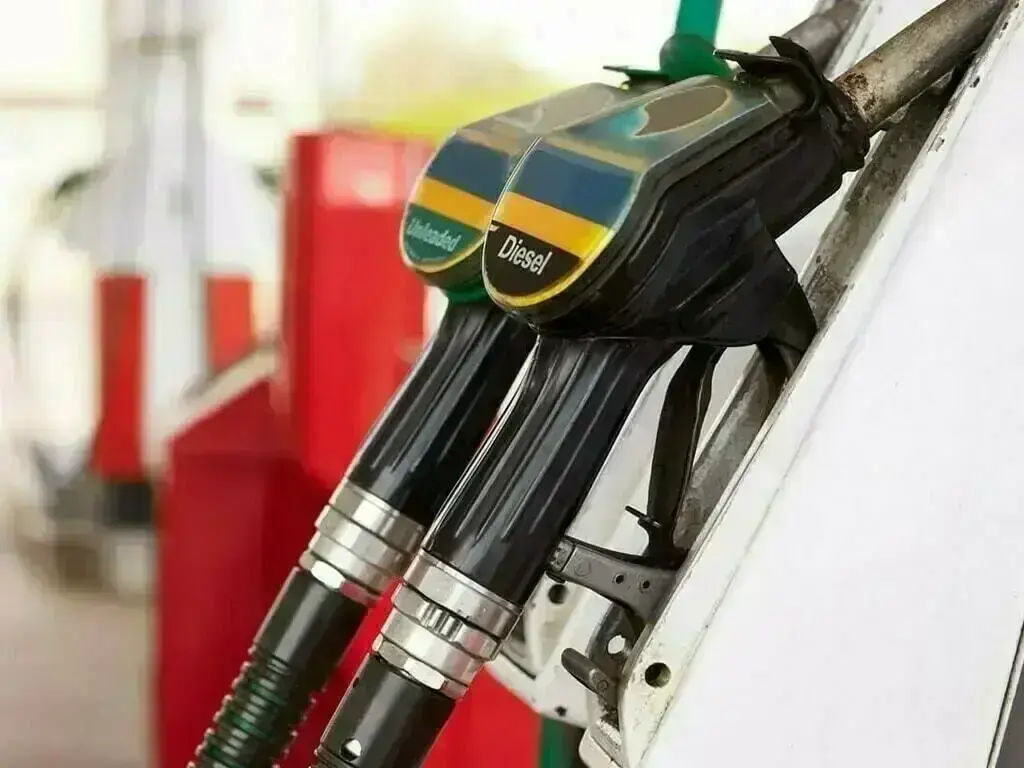
AI summaryThe federal government has adjusted domestic petroleum prices upward, increasing high-speed diesel by Rs1.16 per litre and petrol by Re0.45 per litre. Issued through the Ministry of Energy, the revised ex-depot rates reflect shifting international market dynamics and cost factors.