Consumers Oppose Proposed Rs34bn Power Tariff Increase
Consumers Push Back Against Proposed Rs34 Billion Electricity Tariff Hike
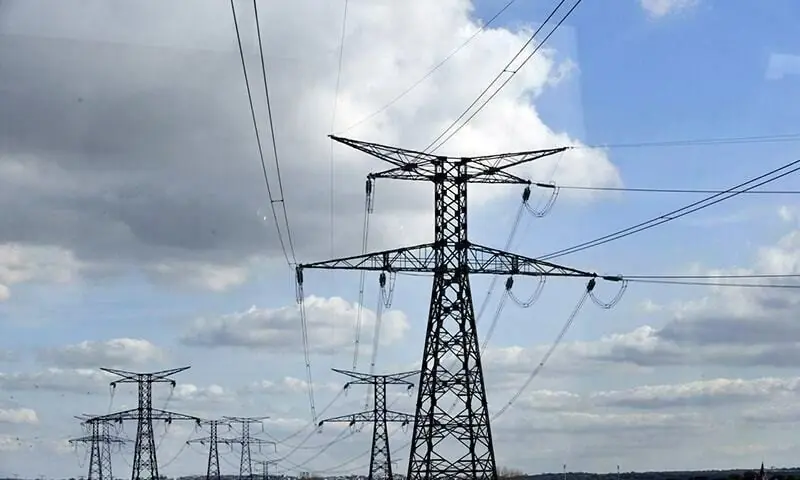
RS34BN TARIFF BURDEN PROTEST
Illustration concept: A realistic news photography style image showing an electrical digital utility meter mounted on a residential building wall in Pakistan, with high contrast lighting reflecting rising energy costs.
AI summary
Electricity consumers have staged strong protests against a proposal to shift a Rs34 billion financial burden onto end-users through increased power tariffs. According to Dawn Business, critics argue that systemic power sector inefficiencies should not be passed on to already struggling households and businesses.
Why this matters
The proposed Rs34 billion tariff adjustment comes at a time when Pakistani households and industrial units are grappling with elevated utility costs and general inflation. Passing additional operational costs onto consumers risks dampening commercial output and fueling further public dissatisfaction with energy sector governance.
Key takeaways
- Consumers strongly opposed a proposed Rs34 billion tariff burden during power sector regulatory deliberations.
- Interveners urged regulators to scrutinize distribution company inefficiency claims before approving tariff hikes.
- Critics highlighted that structural losses and uncollected dues should not be passed on to paying subscribers.
- The regulatory authority is reviewing the financial recovery proposals before making a final decision.
Electricity consumers across Pakistan have voiced strong opposition against a fresh proposal that seeks to pass an additional financial burden of Rs34 billion onto ratepayers through higher power tariffs. The pushback emerged during regulatory deliberations evaluating additional cost recovery claims submitted by power sector distribution companies.
According to reports from Dawn Business, representatives of consumer groups and commercial stakeholders challenged the justification for imposing such a massive financial load on end-users. Protesters argued that electricity subscribers are already struggling under steep utility bills, inflated by persistent structural inefficiencies, unrecovered arrears, and high capacity payments within the national power grid.
Interveners at the hearing questioned the methodology behind the Rs34 billion demand, emphasizing that operational shortcomings, transmission losses, and management failures within power distribution companies should not be routinely converted into tariff surcharges. Stakeholders urged the power sector regulator to scrutinize utility expense claims thoroughly before approving any further burden on households and commercial enterprises.
The protest underscores growing public sensitivity toward recurring electricity price adjustments in Pakistan, where energy inflation has significantly squeezed household budgets and raised the cost of doing business. Regulatory authorities are currently evaluating the tariff adjustments before rendering a final decision on the proposed recovery.
Frequently asked questions
- What is the proposed financial impact on electricity consumers?
- The proposed tariff adjustment seeks to pass an additional financial burden of Rs34 billion onto power consumers.
- Why are electricity consumers protesting the proposed tariff burden?
- Consumers and industry advocates argue that utility companies are passing on systemic operational losses, transmission defects, and management failures rather than improving efficiency.
- Who reported on the public protest against the tariff hike?
- The details of the consumer opposition and public regulatory process were reported by Dawn Business.
Source & transparency
- By:
- The Reviser Desk
- Source:
- Dawn Business
- Original publication:
- Aug 13, 2026, 2:13 AM
- The Reviser publication:
- Aug 13, 2026, 2:13 AM
- Updated:
- Aug 13, 2026, 2:30 AM
This report was independently written by The Reviser editorial desk from verified source material. It is not original on-the-ground reporting by The Reviser.
Related stories

GOLD RATES SURGE AGAIN
Pakistani Gold Rates Rise to Rs459,736 as Global Market Surges
AI summaryPrecious metal prices in Pakistan posted notable gains on Tuesday following an upward trajectory in international bullion markets. According to data released by the All-Pakistan Gems and Jewellers Sarafa Association, gold per tola increased by Rs2,400 to reach Rs459,736.

PUMP CLOSURE WARNING SATURDAY
Pakistan Petroleum Dealers Warn of Countrywide Pump Strike
AI summaryPetroleum dealers in Pakistan have issued a 72-hour ultimatum to authorities, warning of an indefinite nationwide shutdown of petrol pumps starting Saturday. The association stated that retail stations across the country will cease operations if their demands remain unaddressed.
AIRPORT PRIVATIZATION STEPS UP
EY-Parthenon Named Financial Adviser for Major Pakistan Airports
AI summaryThe Privatisation Commission of Pakistan has approved an EY-Parthenon-led consortium as the financial adviser for outsourcing operations at Lahore and Karachi airports. Additionally, the commission is moving forward with appointing advisory teams for the privatization of power distribution companies Lesco and Mepco.

HALA ENTERPRISES SHARE REVIEW
Hala Enterprises Ownership Structure and Financial Review
AI summaryHala Enterprises Limited maintains a tightly held ownership structure, with company sponsors and its parent entity controlling over 83 percent of total shares. Financial performance between 2021 and 2025 shows overall revenue growth despite severe profitability headwinds and losses in 2024.