Transporters' Strike Threatens Pakistani Industry
Factory Owners Warn Transporters' Strike Will Halt Production and Exports
CARGO STRIKE HITS INDUSTRY
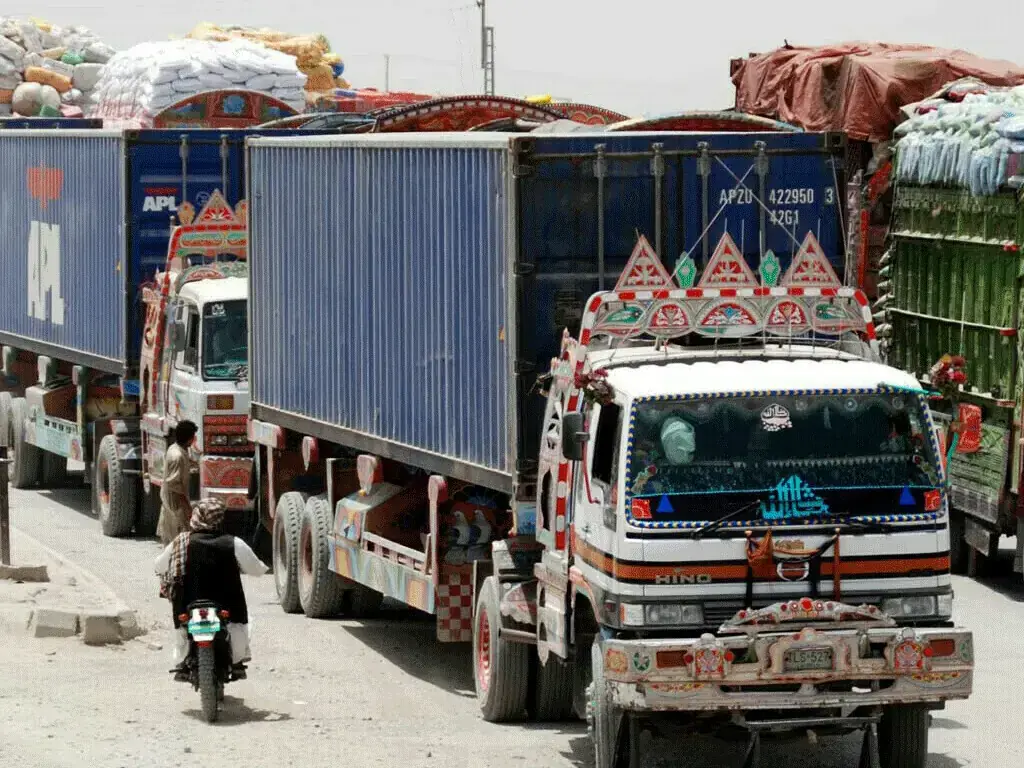
Illustration concept: A line of parked heavy cargo trucks idling along a dusty highway near an industrial zone in Pakistan, dramatic lighting, professional photojournalism style.
AI summary
A nationwide strike by goods transporters has caused deep concern among Pakistani business leaders, who warn of widespread industrial disruptions. Industrialists caution that prolonged supply chain delays will paralyze factory operations and endanger critical export commitments.
Key takeaways
- A nationwide goods transporters' strike is threatening Pakistan's industrial sector and supply chains.
- Factory owners warn that lack of raw material deliveries could force manufacturing plants to stall production.
- SITE Association of Industry President Abdul Rehman Fudda highlighted severe financial stress caused by dispatch delays.
- Disrupted freight movement puts export obligations and local employment at serious risk.
A nationwide work stoppage by cargo transporters has thrown Pakistan’s industrial sector into turmoil, raising immediate fears of stalled manufacturing and missed export deadlines. Business leaders across the country warned that any prolonged suspension of freight services would deal a heavy blow to an already fragile national economy.
According to reports published by Business Recorder, factory owners are bracing for severe operational bottlenecks. The halting of freight transport prevents raw materials from reaching manufacturing units, while finished goods remain stuck at warehouses and ports, creating widespread financial strain for commercial enterprises.
Detailing the gravity of the situation, SITE Association of Industry President Abdul Rehman Fudda emphasized that the strike presents an urgent crisis for local manufacturers. He noted that the continuity of industrial production relies entirely on the punctual receipt of inputs and the prompt distribution of final products.
Industry representatives cautioned that sustained interruptions in logistics will force plants to shut down assembly lines. Beyond immediate production delays, business representatives voiced anxiety over potential job losses and damage to foreign buyer trust if export shipments fail to meet established contractual schedules.
Frequently asked questions
- Why are Pakistani industrialists concerned about the transporters' strike?
- Industrialists fear that the stoppage of freight transport will block raw material deliveries, halt factory production, and delay export shipments.
- Who highlighted the impact of the strike on manufacturers?
- Abdul Rehman Fudda, President of the SITE Association of Industry, raised concerns regarding the severe operational and financial stress facing factories.
- What broader economic risks does the freight strike pose?
- The strike threatens employment, strains Pakistan's economic stability, and risks damaging relationships with international buyers due to missed export commitments.
Source & transparency
- By:
- The Reviser Desk
- Source:
- Business Recorder
- Original publication:
- Aug 8, 2026, 9:24 PM
- The Reviser publication:
- Aug 8, 2026, 9:24 PM
- Updated:
- Aug 8, 2026, 9:33 PM
This report was independently written by The Reviser editorial desk from verified source material. It is not original on-the-ground reporting by The Reviser.
Related stories
400K TRUCKS GROUNDED STRIKE
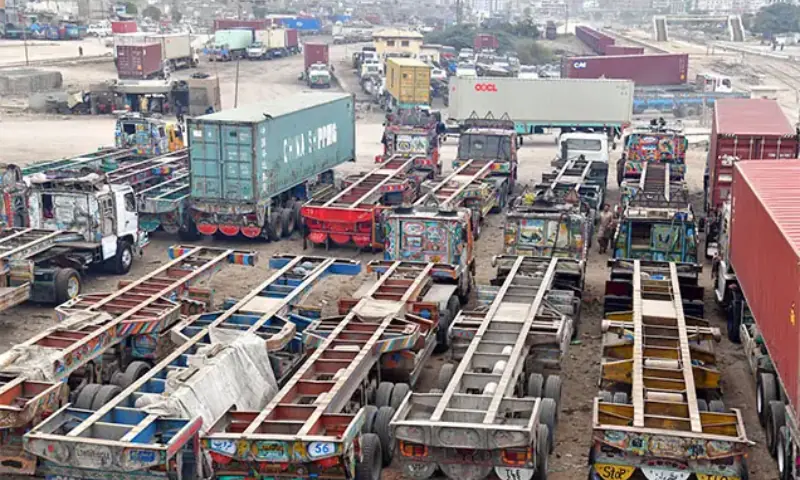
Freight Strike Halts 400,000 Trucks in Pakistan
AI summaryOver 400,000 goods-carrying vehicles have suspended operations across Pakistan, triggering serious disruption to industrial supply chains and international exports. According to reports from Dawn Business, business community leaders are urging immediate official intervention to resolve transport grievances and prevent further trade losses.
FESCO PRIVATISATION BID
Global and Local Bidders Eye Stake in Fesco Privatisation
AI summaryPakistan's Privatisation Commission has gathered 12 expressions of interest from domestic and foreign investors targeting the divestment of Faisalabad Electric Supply Company. Bidders from Turkiye, China, and major Pakistani industrial groups are competing for up to a 100 percent equity stake with management rights.
HUB WATER CRISIS ESCALATES
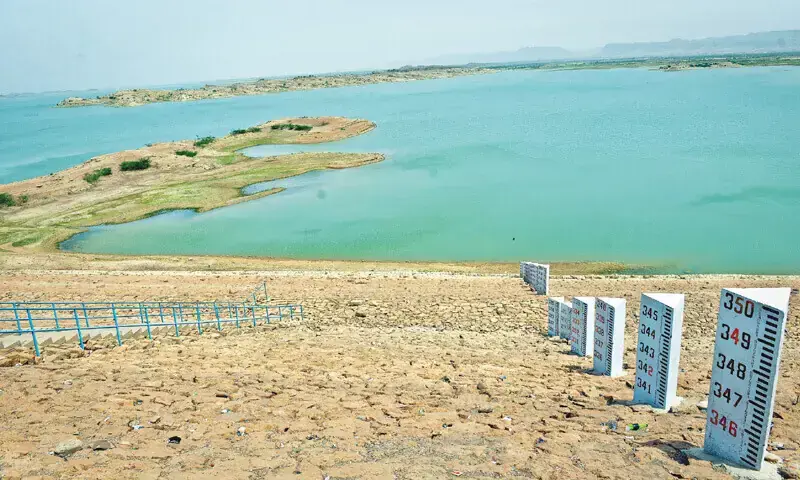
Hub Industrial Area Faces Acute Water Deprivation Crisis
AI summaryIndustrial operations in Hub are confronting a crippling water shortage, threatening local manufacturing and economic output. Business representatives allege that the region is suffering from a systematic withholding of its designated water supply.
GERMANY CHINA TRADE DEFICIT WIDENS
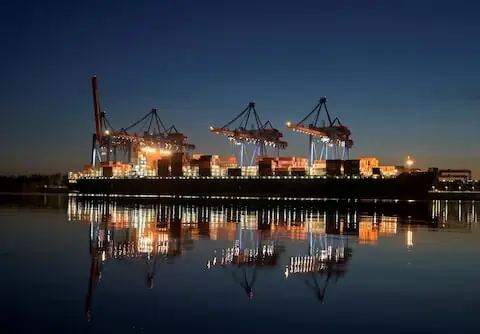
Germany Trade Deficit with China Widens in First Half 2026
AI summaryGermany's trade deficit with China expanded during the first half of 2026 as exports to the Asian country dropped over 12% to under €37 billion. The shift pushed China down to ninth among Germany's export markets as Chinese firms cut reliance on European goods.