Signs of Eye Damage After Unprotected Solar Eclipse Viewing
How Unprotected Solar Eclipse Viewing Can Affect Your Vision
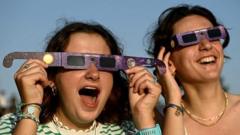
ECLIPSE EYE DAMAGE SIGNS
Illustration concept: A close-up conceptual photograph of human eyes reflecting a glowing solar eclipse, with a subtle soft blur effect emphasizing vision care and solar safety.
AI summary
Observing a solar eclipse without specialized protective eyewear carries significant risks of ocular damage. According to BBC Science, one of the primary warning signs that eye harm may have occurred is blurred vision.
Why this matters
Direct solar exposure can inflict quiet but serious harm on human eyesight without immediate pain. Recognizing potential symptoms like visual distortion allows individuals to seek prompt professional medical evaluation. Heightened awareness regarding solar safety helps prevent long-term ocular impairment during celestial events.
Key takeaways
- Directly viewing a solar eclipse without proper protective gear poses severe risks to eye health.
- Blurred vision is a key warning indicator that ocular damage may have taken place.
- Solar visual injuries can manifest without immediate pain due to the lack of pain receptors in the retina.
- Standard sunglasses are inadequate for direct solar viewing; specialized eclipse glasses are required.
- Prompt medical evaluation is advised if visual disturbances arise after solar exposure.
Directly viewing the sun during a solar eclipse without adequate eye protection presents a serious hazard to visual health. Health experts consistently emphasize that looking at solar rays without approved protective gear can result in severe ocular complications.
Reports from BBC Science highlight that individuals who watch an eclipse unprotected may experience warning signs indicating damage to their eyes. Among these primary indicators, blurred vision is frequently observed following unsafe direct exposure to sunlight.
Because retinal tissue lacks pain receptors, solar injury can develop without any immediate discomfort during the exposure itself. Consequently, affected individuals often notice changes in their clarity of sight only hours or days after the event has passed.
Medical guidance stresses the critical importance of using certified eclipse glasses designed to filter out harmful radiation. Standard sunglasses or makeshift filters fail to provide sufficient protection against intense solar rays.
Anyone experiencing persistent blurry vision or other unusual changes in sight after viewing the sun should consult an eye care professional promptly for evaluation and care.
Frequently asked questions
- What is a primary symptom of eye damage after looking at an eclipse?
- According to reports from BBC Science, blurred vision is a key indicator that your eyes may have suffered damage after viewing the sun without protective glasses.
- Can standard sunglasses protect your eyes during a solar eclipse?
- No, standard sunglasses do not offer sufficient filtration against intense solar radiation, requiring specialized certified eclipse glasses instead.
- What should you do if your vision becomes blurry after viewing the sun?
- You should consult an eye care professional promptly to have your vision assessed for potential solar eye damage.
Source & transparency
- By:
- The Reviser Desk
- Source:
- BBC Science
- Original publication:
- Aug 13, 2026, 11:57 AM
- The Reviser publication:
- Aug 13, 2026, 11:57 AM
- Updated:
- Aug 13, 2026, 12:46 PM
This report was independently written by The Reviser editorial desk from verified source material. It is not original on-the-ground reporting by The Reviser.
Related stories
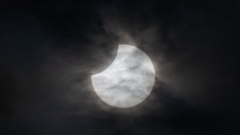
DOUBLE SKY EVENT NEXT WEEK
Perseid Meteors and Solar Eclipse Set for Next Week
AI summaryAstronomy enthusiasts are preparing for two prominent astronomical phenomena occurring next week. According to BBC Science, a deep partial solar eclipse will be followed immediately by the peak of the annual Perseid meteor shower.
HEATWAVE SAFETY WARNING DISABILITY
Disabled Campaigners Warn Heatwave Advice Increases Risks
AI summaryDisability advocates have warned that standard public health guidance for extreme heat can exacerbate risks for disabled individuals. According to reports from BBC Science, campaigners emphasize that official advice often fails to account for specific medical and accessibility needs.
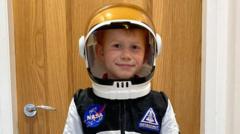
SOLAR ECLIPSE TIPS
Young Astronomy Enthusiast Shares Solar Eclipse Tips
AI summaryEleven-year-old space enthusiast Efan Dafydd has shared practical guidance for spectators planning to watch a solar eclipse. His deep interest in astronomy expanded significantly after meeting his role model, astronaut Tim Peake, according to BBC Science.
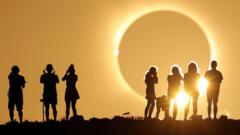
RARE SOLAR ECLIPSE SWEEPS EUROPE
Rare European Solar Eclipse Obscures 95% of Sun in Cornwall
AI summaryA major solar eclipse captivated onlookers across parts of Europe and the United Kingdom, according to reports from BBC Science. Obscuration reached over 95 percent in Cornwall, while viewers in regions of Spain experienced a total solar eclipse.