Resurgent Power Trusts Threaten Energy Market Stability
The Return of Debt-Laden Power Monopoly Models
POWER TRUST RISK RETURN
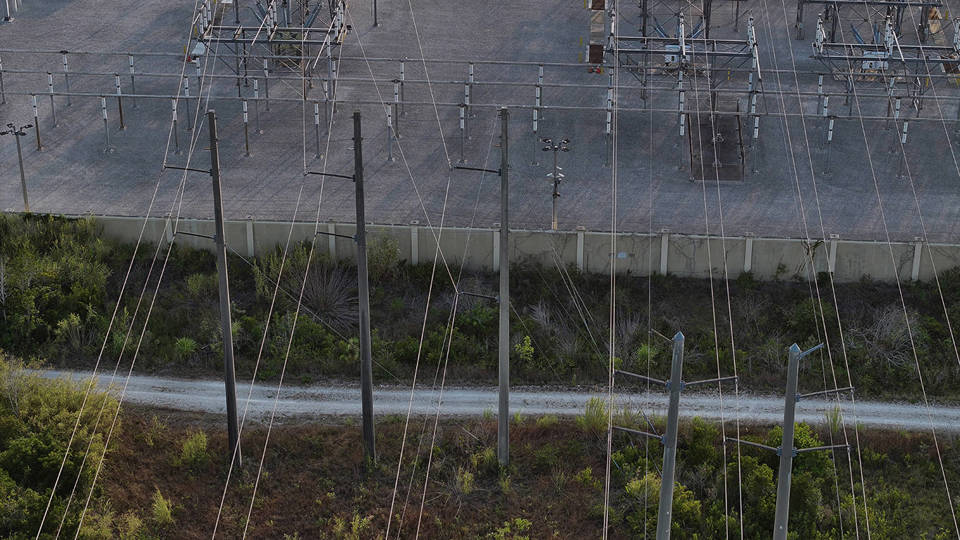
Illustration concept: An artistic conceptual illustration of modern energy power lines and corporate skyscraper silhouettes entwined with chains of debt, minimalist editorial news style.
CSS / PCS revision
Key points, takeaways and exam-style Q&A formatted as a printable one-file study pack.
AI summary
A resurgence of debt-heavy mega-mergers in the power sector mirrors the utility monopolies of a century ago, according to commentary from Project Syndicate. This analytical piece examines the risks of utility consolidation, corporate leverage, and the strategic policy lessons for Pakistan’s energy governance.
Why this matters
The consolidation of energy utilities through debt-financed buyouts directly impacts consumer tariffs and infrastructure resilience. Understanding these corporate structures provides essential context for energy sector reform and privatization debates in Pakistan and South Asia. It highlights the critical necessity of independent regulatory oversight to prevent public utilities from bearing corporate debt risks.
Key takeaways
- Historical Parallel: Modern debt-driven power sector mergers mirror the fragile US utility holding structures that collapsed a century ago.
- Risk to Consumers: Highly leveraged utility acquisitions transfer financial risk onto households and local communities through inflated energy tariffs.
- Arguments Pro & Con: While proponents cite capital aggregation for clean energy transition, critics highlight systemic risks of corporate debt in vital infrastructure.
- Policy Relevance for Pakistan: Offers crucial lessons for DISCO privatization and circular debt management, stressing structural regulation over quick financial sell-offs.
A century after the collapse of debt-heavy energy holding companies prompted aggressive federal regulation in the United States, similar market dynamics are re-emerging in the global power sector. Commentary published by Project Syndicate highlights how modern mega-mergers and corporate buyouts are reviving highly leveraged utility business models, shifting financial burdens onto consumers and local communities.
Historically, energy sector consolidation led to complex corporate structures where parent holding companies accumulated massive leverage, ultimately triggering systemic failures when financial conditions tightened. In response, regulators enacted structural breakups to protect public utilities and consumers from speculative corporate debt.
Proponents of utility consolidation argue that mega-mergers allow firms to pool capital necessary for modernizing energy infrastructure, transitioning to renewable power, and achieving operational economies of scale. Conversely, critics emphasize that excessive leverage and concentrated market power compromise energy affordability, prioritize financial returns for investors over service quality, and expose public infrastructure to private debt defaults.
For Pakistan and regional developing economies, the concentration of power assets and debt-driven utility models offers a cautionary lesson. As Pakistan navigates energy sector reforms, circular debt, and potential privatization of distribution companies (DISCOs), relying on highly leveraged private entities without strong regulatory oversight risks worsening consumer tariffs and fiscal instability.
Regional energy markets across South Asia require massive investments in grid modernization and clean energy transitions. However, unchecked financial engineering in utility ownership can distort pricing mechanisms and undermine energy security, highlighting the need for robust regulatory frameworks that balance private capital influx with public accountability.
Ultimately, preventing the recurrence of monopolistic utility models requires regulatory authorities to enforce strict limits on leverage, audit capital structures, and maintain transparent governance. For policy planners and competitive exam candidates evaluating utility governance, the historical and contemporary lessons demonstrate that market efficiency cannot come at the expense of fiscal resilience and public interest.
Frequently asked questions
- What were the historical US power trusts?
- In the early 20th century, US power trusts were large holding companies that acquired local electric utilities using complex, heavily indebted structures, leading to systemic collapses that required federal regulatory breakups.
- Why is debt-heavy utility consolidation a concern today?
- According to Project Syndicate commentary, recent mega-mergers and buyouts rely on excessive debt, which risks burdening consumers with higher energy costs while making vital utility infrastructure vulnerable to financial instability.
- How do power trust dynamics impact Pakistan's energy sector?
- As Pakistan explores privatization of distribution companies and seeks to manage circular debt, the model warns against introducing heavily leveraged corporate structures that prioritize debt service over public service quality and affordable tariffs.
Source & transparency
- By:
- The Reviser Desk
- Source:
- Project Syndicate
- Original publication:
- Aug 11, 2026, 2:44 PM
- The Reviser publication:
- Aug 11, 2026, 2:44 PM
- Updated:
- Aug 11, 2026, 3:02 PM
This report was independently written by The Reviser editorial desk from verified source material. It is not original on-the-ground reporting by The Reviser.
Related stories

SYSTEMIC FAILURE IN PAKISTAN
Evaluating Pakistan Governance Failure and Structural Reform
AI summaryAt the Pakistan Economic Summit in Islamabad, Interior Minister Mohsin Naqvi publicly acknowledged that the nation's governance structure has failed to deliver. This admission underscores a growing consensus among policymakers regarding Pakistan's long-standing institutional shortcomings and the urgent need for structural overhaul.

SOVEREIGN AI OVER COMPUTE POWER
Morocco AI Strategy Offers Sovereign Blueprint for Global South
AI summaryAccording to an analysis by Project Syndicate, Morocco is prioritizing data sovereignty, local talent, and targeted applications over the capital-intensive global race for raw computing power. This practical approach aims to foster domestic technological innovation while safeguarding national identity against overreliance on foreign artificial intelligence models.

URBAN PLANNING VS GOVERNANCE
Islamabad Underpass Project Highlights Urban Governance Crisis
AI summaryDawn Opinion examines the Capital Development Authority's decision to construct an underpass in Islamabad, viewing it as a symptom of elite-centric urban planning. The analysis highlights how prioritizing signal-free corridors undermines sustainable public transit and devolved local governance in Pakistan.
HALF LEFT WITHOUT SHELTER
Balochistan Flood Housing Cuts Highlight Governance Gaps
AI summaryThree years after the 2022 floods submerged one-third of Pakistan, authorities in Balochistan capped a World Bank-backed housing project at 69,000 units, leaving over half of verified displaced families without shelter assistance. The policy shift redirected funds to roads and irrigation, prompting the international lender to withdraw $180 million in additional financing amid reports of data misrepresentation in official records.