PM Shehbaz Sharif Orders 3-Year Audit of Customs Warehouses
Pakistan Mandates Three-Year Independent Audit of Customs-Bonded Warehouses
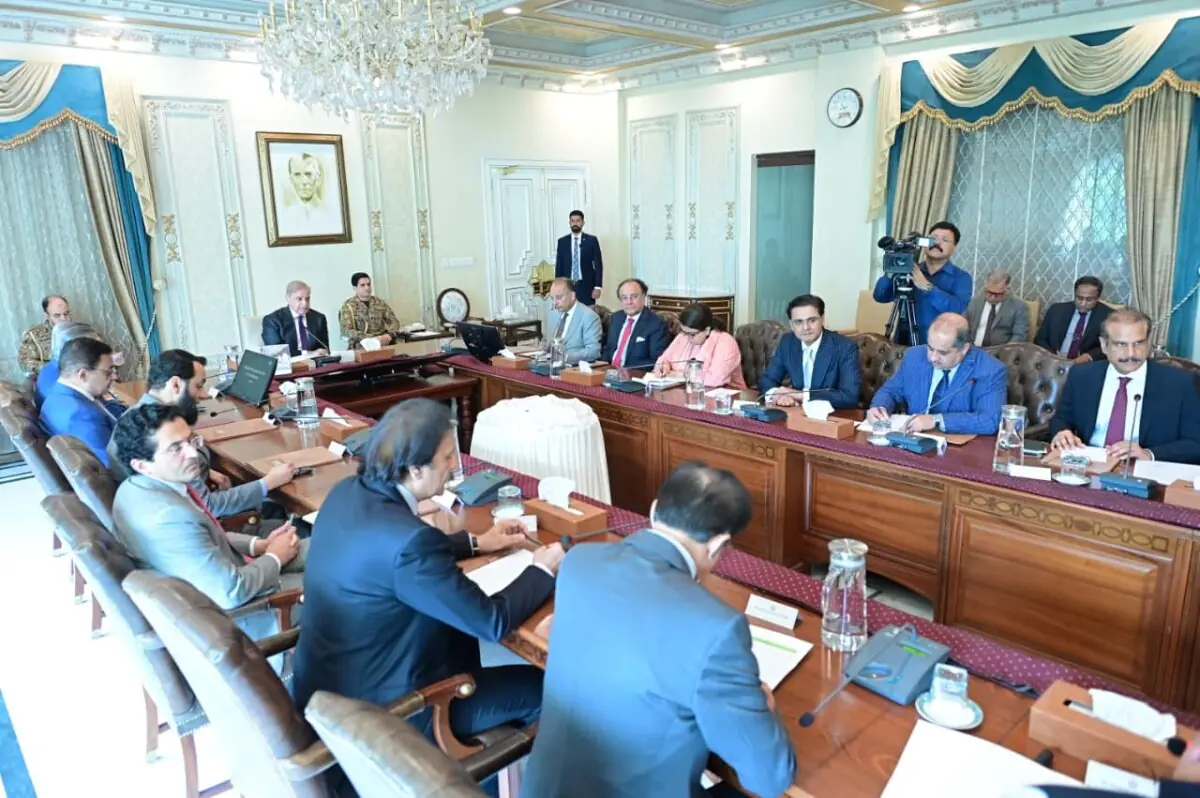
CUSTOMS WAREHOUSE AUDIT ORDERED
Illustration concept: A modern commercial logistics port and customs warehouse facility in Pakistan, showcasing shipping containers and inspectors reviewing manifest documents in clean morning light, editorial news photography style.
AI summary
Prime Minister Shehbaz Sharif has instructed relevant authorities to execute an independent, nationwide third-party audit covering three years of customs-bonded warehouse operations. The directive aims to eliminate trade irregularities and ensure strict legal enforcement across facilities that handle over sixteen percent of Pakistan's total imports.
Why this matters
Bonded trade accounts for nearly a sixth of Pakistan's total import volume, making standard compliance critical for national revenue collection. With petroleum cargo already linked to digital tracking systems, establishing comprehensive stock audits targets illicit leakages and strengthens oversight within the Federal Board of Revenue.
Key takeaways
- Prime Minister Shehbaz Sharif ordered a three-year third-party audit of all nationwide customs-bonded warehouses.
- Bonded trade represents 16.5 percent of Pakistan's total overall import activity.
- The government will execute physical stock verifications to uncover and address inventory discrepancies.
- Officials involved in illicit activities or warehouse irregularities will face strict legal consequences.
Pakistani authorities have been instructed to execute a comprehensive, independent third-party audit of all customs-bonded warehouses operating across the country over a three-year span. Prime Minister Shehbaz Sharif issued the directive during a high-level review concerning the Federal Board of Revenue, calling for zero tolerance toward administrative and financial misconduct in trade operations.
Alongside the three-year audit, the government is launching nationwide physical stock verifications to reconcile existing warehouse inventory against official records. Sharif warned that strict legal penalties would be enforced against any officials discovered engaging in unlawful practices or facilitating trade irregularities.
Official briefings presented during the meeting underscored the substantial scale of bonded facility operations, which currently facilitate approximately 16.5 percent of Pakistan's cumulative import volume. Officials also highlighted that cargo tracking for petroleum shipments stored in customs facilities is integrated with the Web Based One Custom system to monitor stock movements.
The review focused broadly on strengthening inland revenue enforcement and sealing structural gaps within the customs network. By enforcing mandatory third-party oversight, the administration seeks to boost revenue collection transparency and dismantle systemic vulnerabilities across national trade channels.
Frequently asked questions
- What did Prime Minister Shehbaz Sharif order regarding customs warehouses?
- He mandated a nationwide, independent third-party audit of customs-bonded warehouses covering a three-year period, along with physical stock verification.
- How much of Pakistan's imports pass through bonded trade?
- Customs-bonded trade accounts for approximately 16.5 percent of Pakistan's total import volume.
- How is petroleum cargo monitored in customs facilities?
- Monitoring of petroleum cargo within customs warehouses is integrated through the digital Web Based One Custom (We-BOC) tracking system.
Source & transparency
- By:
- The Reviser Desk
- Source:
- Business Recorder
- Original publication:
- Aug 11, 2026, 10:21 AM
- The Reviser publication:
- Aug 11, 2026, 10:21 AM
- Updated:
- Aug 11, 2026, 10:33 AM
This report was independently written by The Reviser editorial desk from verified source material. It is not original on-the-ground reporting by The Reviser.
Related stories
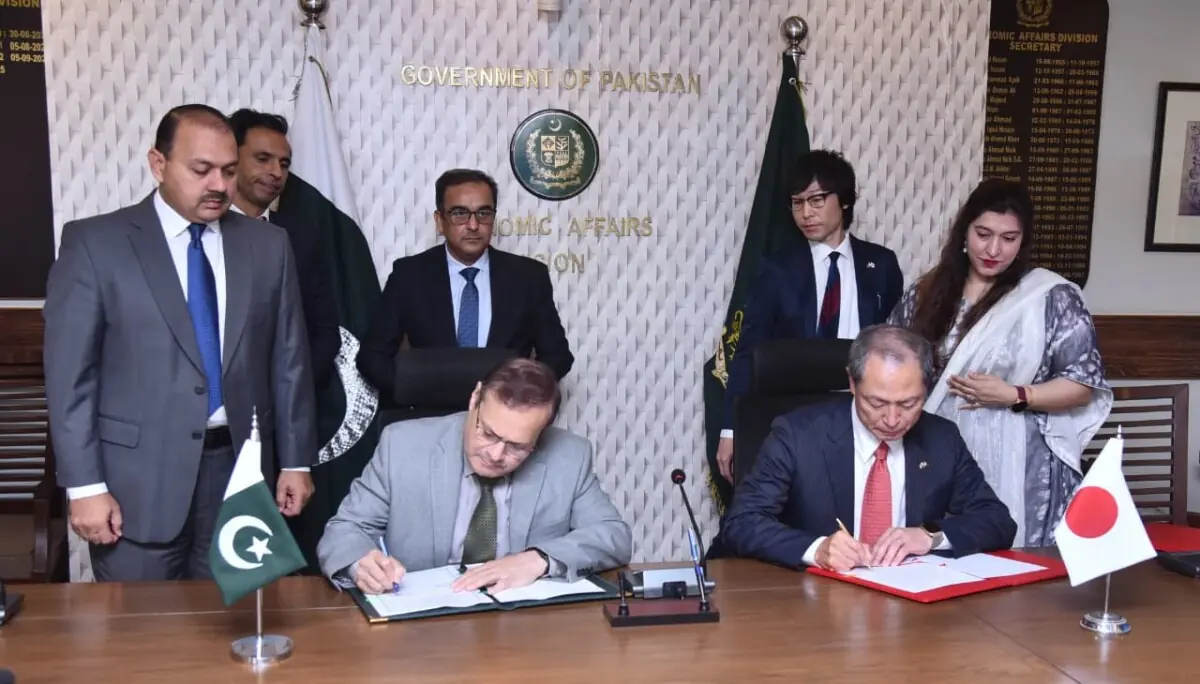
JAPAN GRANTS $2.2M AID
Japan Grants $2.2m for Pakistani Civil Servant Scholarships
AI summaryJapan has extended a 350 million yen ($2.2 million) grant to Pakistan to fund higher education opportunities for federal bureaucrats. The agreement marks the ninth installment of the Human Resource Development Scholarship Program since 2018.
TAX PENALTIES DECLARED UNLAWFUL
SC Rules Tax Ordinance Penalties Unlawful in Pakistan
AI summaryA five-judge bench of the Supreme Court has ruled that penalties under Sections 182, 184, and 186 of the Income Tax Ordinance, 2001 are legally unsustainable. The court established that statutory amendments under Sections 122(5) and 122(5A) apply prospectively, overturning past conflicting judgments.
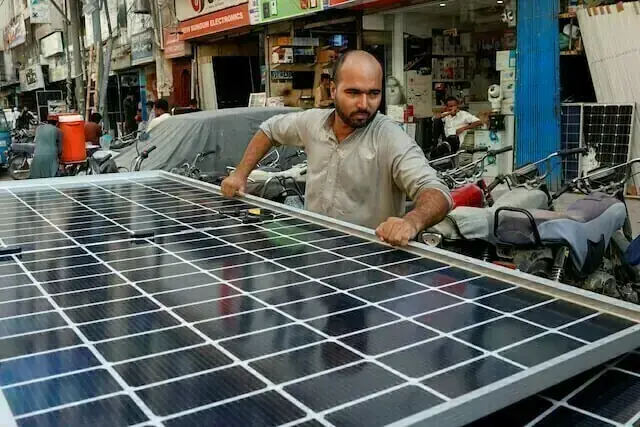
48MW BATTERY STORAGE SOLAR EXPANSION
Kohinoor Textile to Build 48MW Battery Storage System
AI summaryKohinoor Textile Mills Limited has formally approved the deployment of a 48.36 MW battery energy storage system alongside a 9.34 MW solar expansion. The corporate project aims to reduce power expenses and is targeted for commercial operation by late Q2 FY 2026-27.
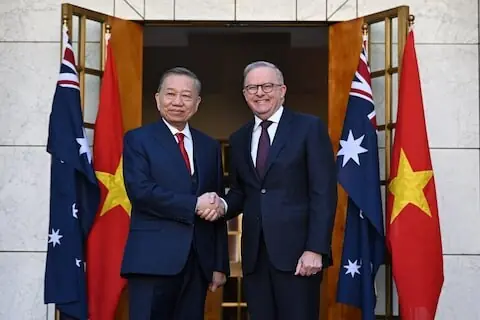
TRADE DEALS DEEPENED
Australia and Vietnam Build Clean Energy Trade Ties
AI summaryAustralian Prime Minister Anthony Albanese and visiting Vietnamese President To Lam announced plans to strengthen their nations' comprehensive strategic partnership. The two leaders pledged cooperation on clean energy, semiconductors, and critical minerals while raising concerns over restrictive trade practices.