Kohinoor Textile to Build 48MW Battery Storage System
Kohinoor Textile Approves 48MW Battery Storage System and Solar Expansion
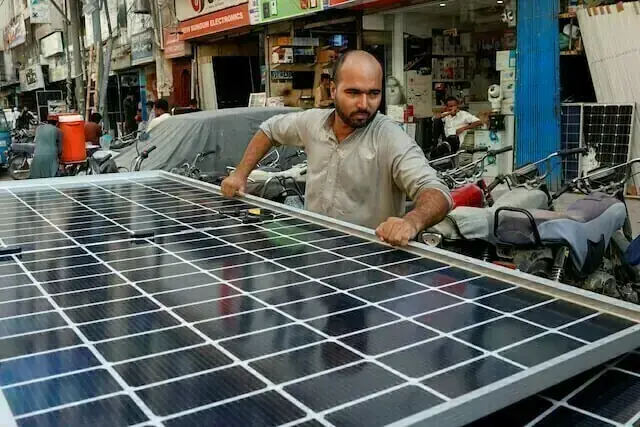
48MW BATTERY STORAGE SOLAR EXPANSION
Illustration concept: A modern textile factory complex with rooftop solar panels and sleek industrial battery storage units under a clear blue sky, photorealistic.
AI summary
Kohinoor Textile Mills Limited has formally approved the deployment of a 48.36 MW battery energy storage system alongside a 9.34 MW solar expansion. The corporate project aims to reduce power expenses and is targeted for commercial operation by late Q2 FY 2026-27.
Why this matters
High power tariffs in Pakistan continue to weigh heavily on export-oriented textile manufacturers. By coupling large-scale battery storage with solar capacity, Kohinoor Textile aims to shield its manufacturing lines from grid instability and lower overall energy expenses.
Key takeaways
- Kohinoor Textile Mills approved a 48.36 MW battery storage system and a 9.34 MW solar facility.
- The initiative was formally announced in a corporate notice to the Pakistan Stock Exchange.
- Commercial operation for the battery storage setup is planned for the final month of Q2 FY 2026-27.
- The capital project is designed to deliver substantial savings on industrial energy expenses.
Kohinoor Textile Mills Limited is stepping up its renewable energy commitments by approving a major energy storage installation coupled with an expansion of its solar power capacity. In a corporate filing with the Pakistan Stock Exchange on Tuesday, the company revealed plans to integrate advanced storage tech into its power infrastructure.
According to reports from Business Recorder, the board approved the setup of a 48.36 MW Battery Energy Storage System (BESS) alongside an additional 9.34 MW solar power generation facility. The dual project is structured to help store renewable electricity, balance load distribution, and lower dependence on costly traditional power sources.
Management expects the battery energy storage infrastructure to achieve commercial operation during the closing month of the second quarter of the 2026-27 fiscal year. Once active, the system is projected to deliver significant cost efficiencies in daily power consumption.
In its disclosure to investors, the textile producer stated that the capital expenditure reflects a focus on operational performance, environmental sustainability, and sustained value creation. Industrial battery storage units hold surplus power and release it during high-demand intervals, facilitating seamless energy management across manufacturing operations.
Frequently asked questions
- What energy projects has Kohinoor Textile approved?
- Kohinoor Textile Mills approved a 48.36 MW Battery Energy Storage System (BESS) alongside a 9.34 MW solar power plant expansion.
- When will the battery storage system become operational?
- The company expects the energy storage system to begin commercial operations in the last month of Q2 FY 2026-27.
- What benefits does Kohinoor Textile expect from this investment?
- The system is expected to lower energy costs, stabilize the power grid, and advance the company's sustainability targets.
Source & transparency
- By:
- The Reviser Desk
- Source:
- Business Recorder
- Original publication:
- Aug 11, 2026, 8:57 AM
- The Reviser publication:
- Aug 11, 2026, 8:57 AM
- Updated:
- Aug 11, 2026, 9:01 AM
This report was independently written by The Reviser editorial desk from verified source material. It is not original on-the-ground reporting by The Reviser.
Related stories

DWP WINS AIRLINK HVAC DEAL
DWP Group Secures HVAC Contract for Airlink Lahore Facility
AI summaryDWP Group's MEP Division has been selected to provide the climate control infrastructure for Airlink Communication's upcoming manufacturing plant in Lahore. The project involves installing an energy-efficient GREE VRF system at the Sundar Green Special Economic Zone facility.
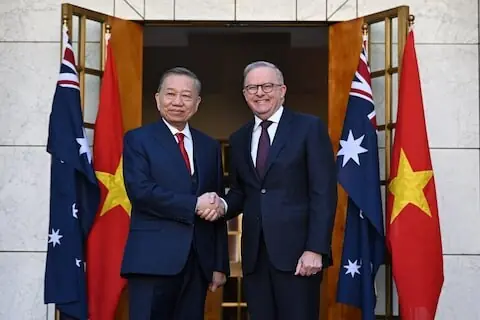
TRADE DEALS DEEPENED
Australia and Vietnam Build Clean Energy Trade Ties
AI summaryAustralian Prime Minister Anthony Albanese and visiting Vietnamese President To Lam announced plans to strengthen their nations' comprehensive strategic partnership. The two leaders pledged cooperation on clean energy, semiconductors, and critical minerals while raising concerns over restrictive trade practices.

FAIR TAX MONITORING DEMANDED
FBR Urged to Expand Juice Industry Electronic Monitoring
AI summaryThe Fruit Juice Council has called on the Federal Board of Revenue to apply its real-time production monitoring rules universally across all juice producers. The group warned that enforcing the system solely on formal sector companies risks penalizing compliant businesses while leaving undocumented operators unmonitored.
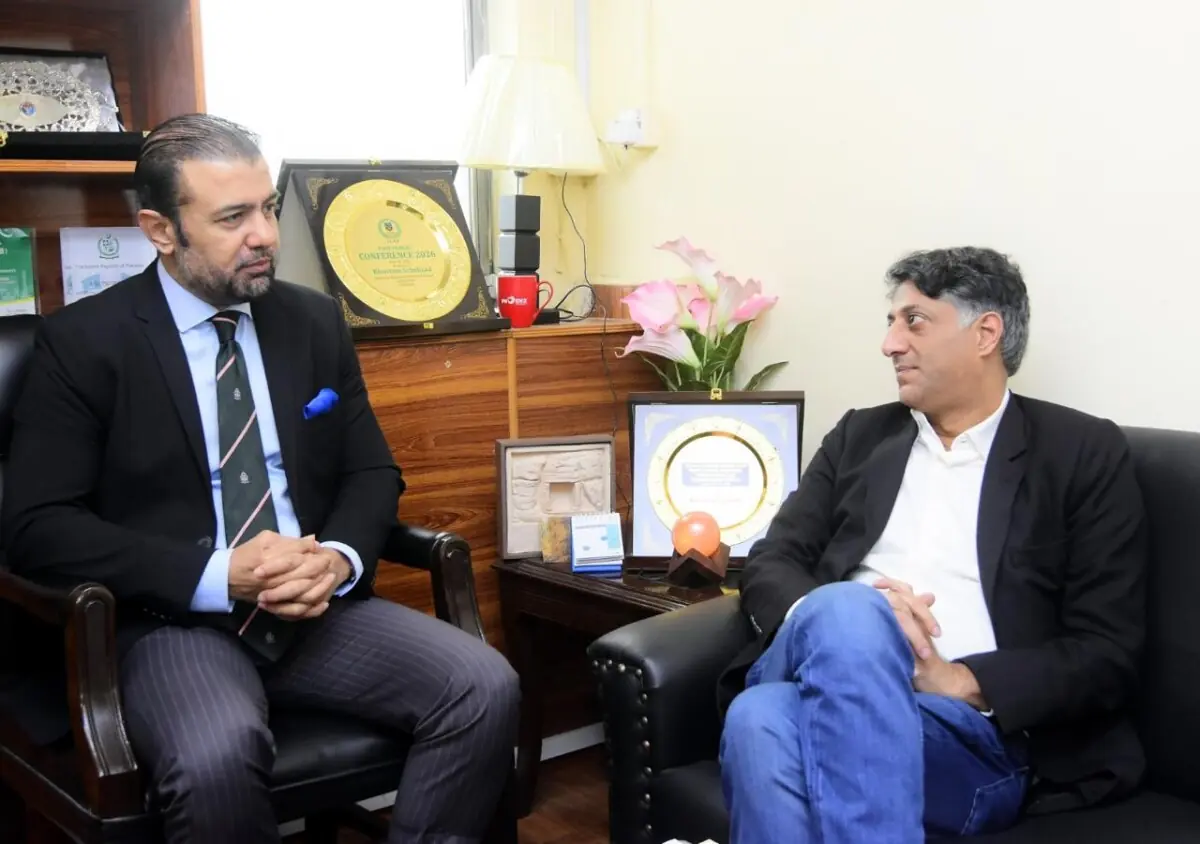
GOVT PBC TALKS ON PRIVATISATION
Pakistan Govt and PBC Discuss Privatisation of DISCOs
AI summaryGovernment representatives and Pakistan Business Council leadership gathered at the Finance Division on Tuesday to deliberate on state-owned enterprise reforms. The dialogue focused on privatisation plans covering power distribution companies, banks, and airports to spur private investment.