NAB Chief Demands End to Rs500m Corruption Limit
Pakistan Anti-Graft Chief Urges Parliament to Lift Rs500m Inquiry Cap
REMOVE RS500M PROBE LIMIT
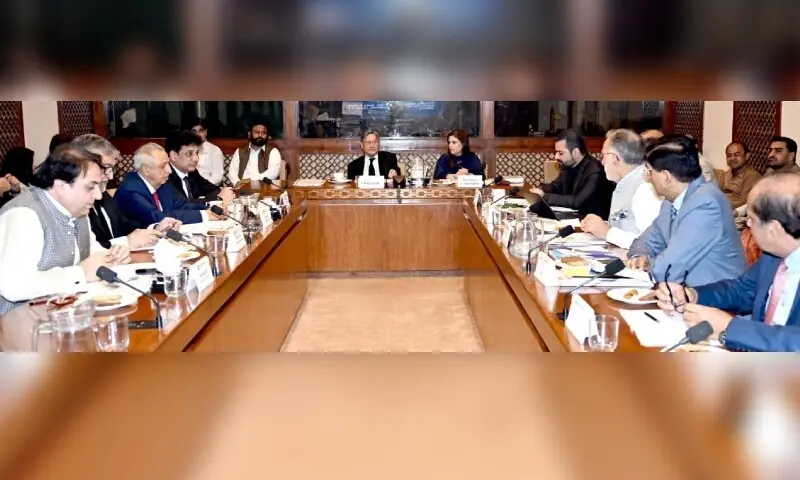
Illustration concept: A professional photo of a formal parliamentary committee room in Islamabad, Pakistan, showing government officials seated at a large conference table during a committee meeting, realistic news photography style.
AI summary
Pakistan's National Accountability Bureau chairman has urged parliament to repeal legal limits that prevent the agency from investigating corruption cases under Rs500 million. Speaking to a Senate committee, he warned that the restriction severely restricts the bureau's capacity to hold corrupt officials accountable.
Key takeaways
- NAB Chairman Lt Gen Nazir Ahmed requested the Senate panel to remove the Rs500 million limit on corruption inquiries.
- Under amended laws, cases below Rs500m were transferred to other agencies like the FIA.
- NAB leadership warned that statutory caps enable unchecked public sector graft.
- The private sector reportedly accounts for roughly 45 percent of total corruption instances.
Pakistan’s top anti-corruption authority has called on lawmakers to strip away legal amendments that restrict its jurisdiction, warning that current laws leave the agency powerless against widespread public sector financial misconduct. Speaking before a parliamentary committee, the head of the National Accountability Bureau (NAB) argued that setting a high financial threshold for investigations effectively grants impunity to corrupt officials.
During a session of the Senate Standing Committee on Law and Justice, NAB Chairman retired Lt Gen Nazir Ahmed voiced strong concerns over legislative changes that bar the bureau from prosecuting cases involving less than Rs500 million. He cautioned that if these statutory limits remain in place, public servants will become emboldened to engage in routine graft with little fear of accountability from the premier anti-graft watchdog.
The statutory cap, introduced through recent statutory revisions, forced the bureau to relinquish and reassign numerous active corruption inquiries to other regulatory bodies and law enforcement institutions, including the Federal Investigation Agency. Bureau officials pointed out that the current legal framework severely diminishes their investigative reach, rendering local police station commanders more empowered to take action than specialized accountability officers.
Addressing the broader landscape of financial crime in the country, the NAB leadership highlighted that private enterprise contributes significantly to systemic irregularities, accounting for nearly forty-five percent of corruption cases. The watchdog’s legal officers briefed lawmakers on the specific provisions of the amended statute, reiterating the urgent need for structural legislative revisions to restore full investigative powers.
Frequently asked questions
- Why is NAB seeking to remove the Rs500 million limit?
- NAB argues that the Rs500 million threshold prevents it from prosecuting lower-value corruption cases, effectively tying the agency's hands and encouraging public officials to commit graft.
- What happens to corruption cases involving less than Rs500 million?
- Under the current law, NAB cannot investigate cases below Rs500 million, leading to many active inquiries being transferred to other law enforcement bodies like the FIA.
- What role does the private sector play in corruption according to NAB?
- The NAB chairman stated during the Senate meeting that the private sector accounts for approximately 45 percent of corruption cases.
Source & transparency
- By:
- Farkleet
- Source:
- Dawn Pakistan
- The Reviser publication:
- Aug 8, 2026, 3:02 AM
- Updated:
- Aug 8, 2026, 12:51 PM
This report was independently written by The Reviser editorial desk from verified source material. It is not original on-the-ground reporting by The Reviser.
Related articles

AUTOPSY REVEALS SHOCKING TRAUMA
Karachi Exhumation: Autopsy Finds Torture, Shot in Back
AI summaryInitial findings from a second post-mortem examination following the exhumation of Mir Raza Ali indicate severe physical violence and a entry wound from a firearm at the rear of his body. The updated medical report directly addresses key queries raised by the police surgeon and reinforces claims by the victim's family that the death was a homicide rather than a suicide.
LAHORE FLOODED BY HEAVY RAIN
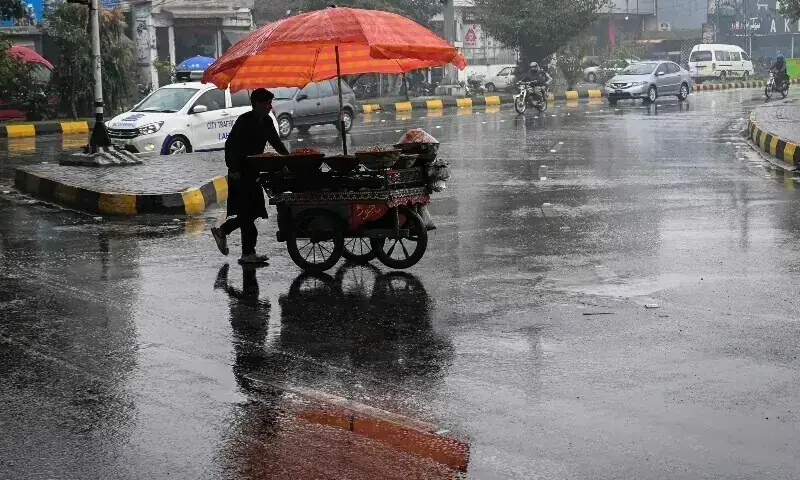
Heavy Rain Submerges Lahore Roads, Causes Severe Disruptions
AI summarySevere monsoon downpours struck Lahore on Saturday, leaving key thoroughfares, underpasses, and low-lying sectors submerged under rainwater. According to municipal records, the city averaged 24.6mm of rainfall, with the highest concentration recorded at the airport terminal reaching 104mm.
PML-N EYES AJK SWEEP
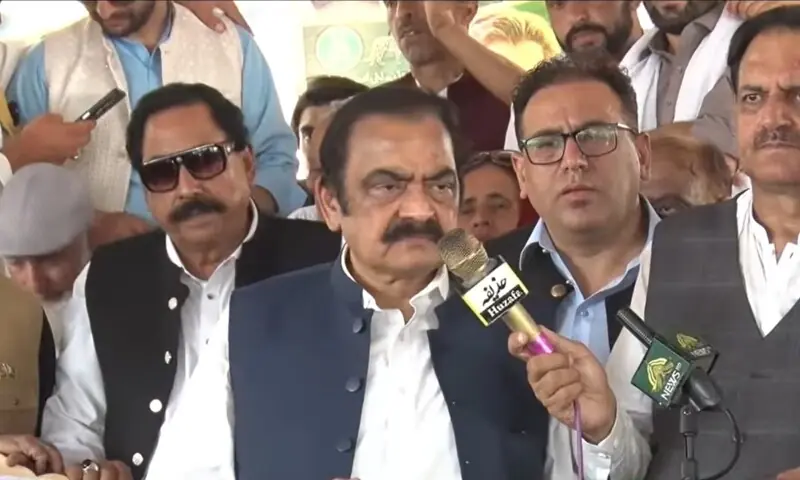
PML-N Eyes AJK Two-Thirds Majority, Says Sanaullah
AI summarySenior PML-N leader Rana Sanaullah announced that his party is poised to form the next government in Azad Jammu and Kashmir with a two-thirds majority. Speaking at a rally in Bagh, he expressed confidence in securing the remaining seats required across upcoming voting phases.

BODY EXHUMED IN KARACHI
Mir Raza Ali Exhumed After Sindh Restores Board
AI summaryAuthorities in Karachi have exhumed the body of business graduate Mir Raza Ali following the Sindh government's decision to restore the original medical panel. The procedure had been delayed after the family raised objections over an unannounced change in board members.