How Ethno-Lingual Pluralism Strengthens Pakistan's Federation
Pluralism and Federalism: Leveraging Pakistan's Cultural Mosaic
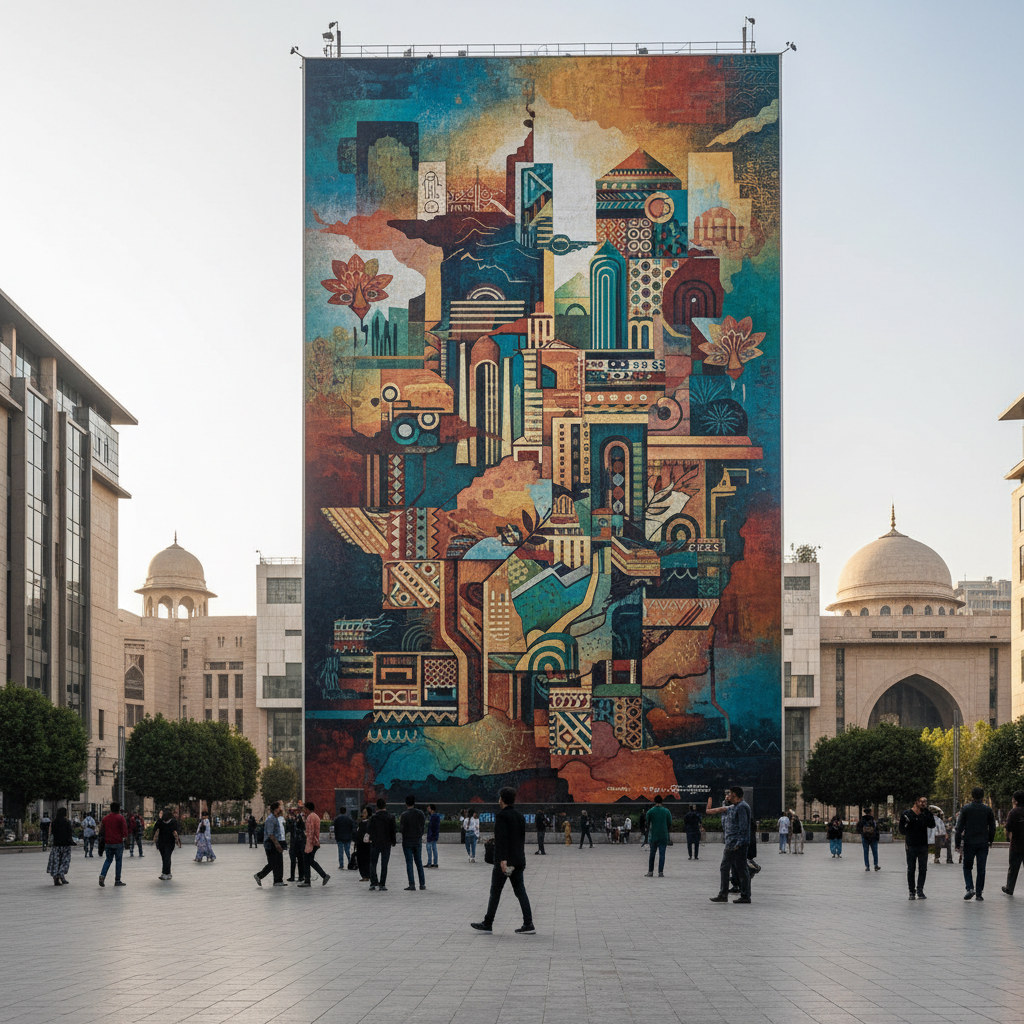
UNITY IN DIVERSITY PAKISTAN
Illustration concept: A modern artistic illustration depicting Pakistan's diverse cultural motifs, regional patterns, and interconnected federal architecture representing national unity.
CSS / PCS revision
Key points, takeaways and exam-style Q&A formatted as a printable one-file study pack.
AI summary
Pakistan's ethno-linguistic diversity represents a primary foundation for national resilience and democratic cohesion rather than a point of strategic vulnerability. Moving from historic centralisation toward inclusive federalism allows the state to transform regional cultural identities into pillars of national unity.
Why this matters
Understanding national integration and federal dynamics is vital for public policy, constitutional reforms, and institutional governance in Pakistan. For competitive exam candidates, analyzing the balance between regional autonomy and national harmony provides essential insights into statecraft, civil-military governance, and social integration models.
Key takeaways
- Ethno-lingual pluralism serves as a key driver of democratic ownership and national resilience in Pakistan.
- Historical centralisation exacerbated center-province friction, whereas constitutional devolution fosters cooperative federalism.
- Equitable resource allocation via federal frameworks is essential to prevent socio-economic alienation in peripheral regions.
- Integrating regional cultural identities into the national narrative enhances soft power and intra-state harmony.
Pakistan's social fabric is defined by a dynamic tapestry of languages, traditions, and regional cultures. According to commentary published in Express Tribune Opinion, this ethno-lingual diversity forms a foundational source of national strength and socio-political resilience rather than a line of division. Understanding national integration through the lens of pluralism remains a crucial subject for governance scholars and policy circles evaluating state cohesion.
Historically, centralized governance paradigms in post-independence Pakistan often viewed sub-national identities with caution, fearing that linguistic or regional assertiveness might undermine central state authority. This centralist approach occasionally exacerbated center-province frictions and fueled socio-political grievances. However, constitutional developments such as the 18th Constitutional Amendment marked a paradigm shift toward recognizing provincial autonomy and cultural rights as essential elements of a cooperative federation.
Proponents of structural pluralism argue that celebrating regional identities fosters a deeper sense of democratic ownership among peripheral populations. When state institutions accommodate diverse linguistic rights and localized heritage, national harmony is fortified. Furthermore, economic decentralization paired with cultural diplomacy allows Pakistan to project soft power internationally while reducing domestic alienation.
Conversely, policy analysts point out that unmanaged ethno-linguistic fault lines can create governance vulnerabilities if socio-economic disparities and institutional neglect persist across federating units. Critics caution that without robust federal institutions, equitable resource distribution through mechanisms like the National Finance Commission (NFC) Award, and inclusive socio-economic planning, regional discontent can escalate. Balancing regional aspirations with federal stability therefore requires active conflict resolution and balanced development.
For Pakistan and the wider South Asian region, adopting an inclusive federal framework offers a sustainable path for managing multi-ethnic statecraft. Sustaining national unity depends on translating constitutional guarantees into equitable economic and political opportunities across all federating units. As Express Tribune Opinion underscores, recognizing diversity as a strategic asset fortifies Pakistan's democratic evolution and long-term stability.
Frequently asked questions
- Why is ethno-lingual diversity considered a national strength in Pakistan?
- Diversity enriches Pakistan's cultural heritage, promotes democratic pluralism, and, when coupled with inclusive federalism, strengthens socio-political cohesion across provinces.
- How does constitutional devolution affect national integration?
- Devolution, as reflected in the 18th Amendment, grants provincial autonomy, reduces central-provincial friction, and ensures local populations have a voice in governance.
- What is the key challenge in managing a multi-ethnic state?
- The main challenge is addressing regional socio-economic disparities and ensuring equitable resource distribution while maintaining federal integrity and administrative harmony.
Source & transparency
- By:
- The Reviser Desk
- Source:
- Express Tribune Opinion
- Original publication:
- Aug 13, 2026, 2:51 PM
- The Reviser publication:
- Aug 13, 2026, 2:51 PM
- Updated:
- Aug 14, 2026, 4:20 PM
This report was independently written by The Reviser editorial desk from verified source material. It is not original on-the-ground reporting by The Reviser.
Related stories

ACADEMIA IN CRISIS
Why Higher Education Faces an Institutional Trust Crisis
AI summaryA growing critique from former insiders highlights how Western universities' social justice rhetoric often contrasts with internal labor precarity and symbolic diversity efforts. This divergence between administrative messaging and operational realities offers crucial insights for higher education governance globally, including in Pakistan.
MAYOR FUND DONATIONS DROP SHARPLY
NYC Mayor's Fund Decline Highlights Governance Lessons
AI summaryDonations to the Mayor's Fund have dropped significantly compared to the substantial sums raised during Michael Bloomberg's tenure as mayor. An analysis by WSJ Opinion suggests that these structural funding challenges reflect deeper issues regarding institutional donor reliance and executive leadership.
PAKISTAN AI CLOUD TEST
Analyzing Pakistan Sovereign AI Cloud and Karakoram-01 Project
AI summaryPakistan's recent inauguration of the Karakoram-01 sovereign cloud facility near Islamabad marks an effort to integrate critical computing power into state governance. However, reliance on foreign technology partners like ZTE highlights the broader challenge of achieving true digital sovereignty within global supply chains.

REGULATING AI RISKS AND REWARDS
Why Artificial Intelligence Needs Governance Despite Economic Costs
AI summaryAn analysis published in NYT Opinion contends that the severe risks associated with advanced artificial intelligence make regulatory oversight mandatory, even when compliance imposes financial losses on tech companies. Navigating this landscape requires balancing commercial innovation against long-term public interest and national security safeguards.