GLP-1 Drug Costs Outweigh Food Savings for Most Earners
Weight-Loss Drugs Offer Net Food Savings Only to Highest Earners, Study Finds
WEIGHT LOSS DRUG COST TRAP
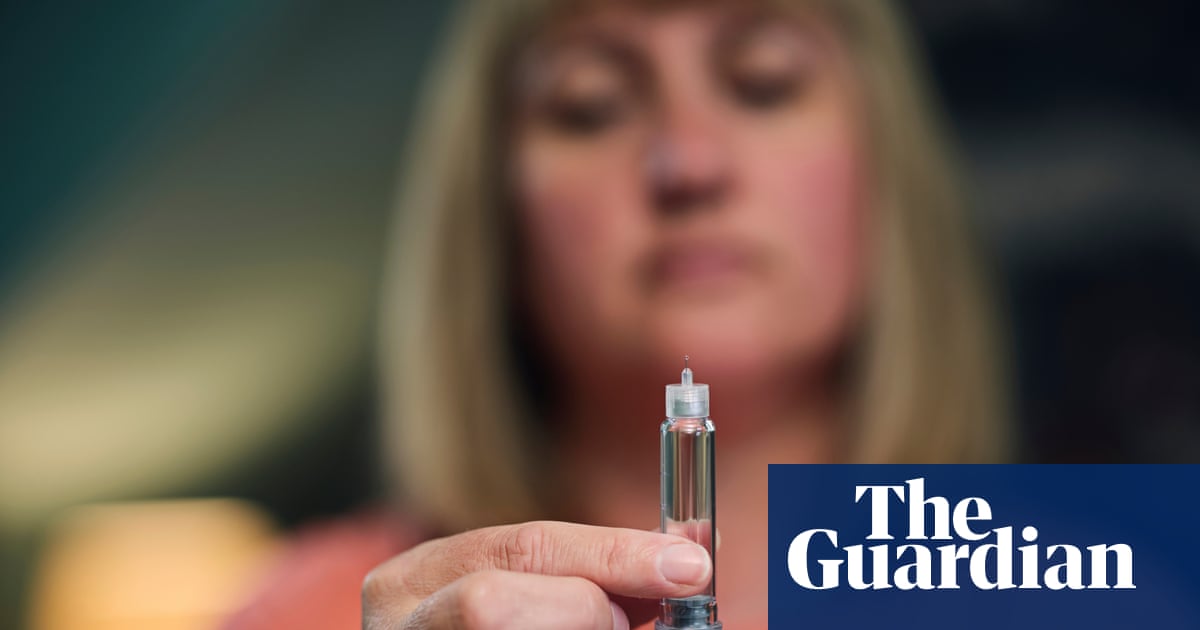
Illustration concept: A calculated comparison of fresh groceries next to prescription weight loss medication bottles on a modern kitchen counter.
AI summary
An analysis by consultancy Baringa reveals that patients need nearly £100,000 in annual discretionary income to net savings on food bills while using GLP-1 weight-loss drugs. With annual treatment costs at £1,200, the reduced spend on groceries fails to cover medication expenses for all but the highest earners.
Why this matters
The high cost of GLP-1 treatments creates an economic barrier that prevents lower-income individuals from offsetting healthcare expenses through reduced grocery bills. It highlights growing financial inequities surrounding access to modern weight-loss medications.
Key takeaways
- GLP-1 weight-loss drugs cost approximately £1,200 annually, exceeding grocery savings for most users.
- Patients need nearly £100,000 in annual discretionary income to net overall financial savings.
- Consultancy Baringa's analysis highlights high drug costs as a regressive burden on average earners.
Relying on GLP-1 weight-loss treatments to cut grocery expenses yields actual net savings only for top earners, according to a recent evaluation conducted by consultancy firm Baringa and reported by Guardian Business. Although these medications suppress appetite and lower routine spending on food, the high retail price of the drugs erodes any potential financial benefit for the vast majority of patients.
According to Baringa’s analysis, a consumer needs a discretionary income close to £100,000 per year for food budget reductions to exceed the price of the prescription. With annual costs for GLP-1 treatments standing at approximately £1,200, lower and middle-income users face a net rise in overall living expenses despite buying fewer groceries.
The disparity has led analysts to describe the pricing structure of weight-loss medication as a regressive tax on being thin. While individuals with significant disposable income can effectively absorb or offset the price of the drug through reduced food purchasing, standard households carry a heavy financial deficit when choosing to undergo treatment.
The study emphasizes how high pharmaceutical prices limit the financial self-sufficiency of weight-management therapies. Unless treatment costs drop significantly, the financial advantages associated with reduced appetite will remain restricted to high-income earners, leaving broader demographics to absorb substantial out-of-pocket costs to access GLP-1 therapies.
Overall, the data illustrates that while GLP-1 drugs alter consumer spending patterns, the immediate outlay creates a steep barrier to entry. For most consumers seeking health benefits, the reduced grocery bill remains far too small to cover the substantial ongoing retail cost of the pharmaceutical treatment.
Frequently asked questions
- How much do GLP-1 weight-loss medications cost per year?
- According to data reported by Guardian Business, GLP-1 weight-loss medications cost approximately £1,200 per year.
- Who actually saves money on food bills while taking GLP-1 drugs?
- Only individuals with an annual discretionary income of nearly £100,000 generate enough grocery savings to offset the £1,200 medication cost.
Source & transparency
- By:
- The Reviser Desk
- Source:
- Guardian Business
- Original publication:
- Aug 15, 2026, 7:00 AM
- The Reviser publication:
- Aug 15, 2026, 7:00 AM
- Updated:
- Aug 15, 2026, 7:47 AM
This report was independently written by The Reviser editorial desk from verified source material. It is not original on-the-ground reporting by The Reviser.
Related stories
WHEAT IMPORT BACKTRACK EXPLAINED
Punjab and Sindh Backtrack on Wheat Imports, Seek Federal Stocks
AI summaryPunjab and Sindh have refused to bear the financial costs of importing wheat after missing their local procurement goals. The two provinces are now asking the federal government to supply grain from strategic reserves.
GROCERY WAREHOUSES SHUT DOWN
Maharashtra Food Chief Suspends 12 Quick Commerce Warehouses
AI summaryMaharashtra food safety authorities have suspended operating permits for 12 quick-commerce warehouses run by Eternal, Swiggy, and Zepto due to unhygienic conditions. The enforcement drive led by Tukaram Mundhe also resulted in the closure of four Domino's outlets in the state.

STUDENT MONEY SAVING HACKS
Student Shares Hacks to Cut University Debt and Save Cash
AI summaryA 21-year-old university student named Erin has detailed her methods for cutting expenses and generating extra cash while studying. Over two years, her strategies included securing free concert tickets and earning £200 in one weekend selling secondhand clothes.

TRUMP TAX CUT DEBATE
Trump Tax Cuts Face Scrutiny Over Safety Net Reduction
AI summaryThe US House of Representatives passed Donald Trump's One Big Beautiful Bill Act, combining over $5 trillion in tax cuts with more than $1 trillion in reductions to Medicaid and food assistance. House Speaker Mike Johnson defended the measure, maintaining that the tax reductions target small business owners rather than wealthy millionaires.