Iran Holds Strait of Hormuz as Trump Warns of High Fuel Costs
Iran Enforces Hormuz Blockade While Trump Warns US of Sustained High Gas Prices
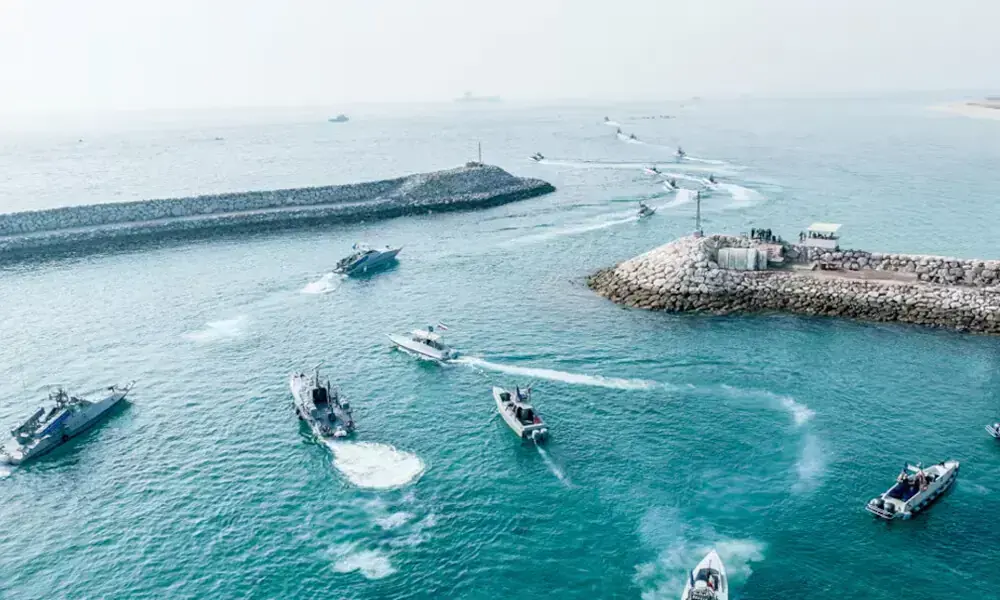
HORMUZ BLOCKADE DRIVES FUEL PRICES
Illustration concept: An oil tanker stranded outside a narrow maritime strait under a dramatic sunset.
AI summary
Iranian Deputy Foreign Minister Kazem Gharibabadi announced that Tehran will maintain its blockade of the Strait of Hormuz until the United States accepts defeat. Meanwhile, U.S. President Donald Trump characterized Iran as "very evil" and warned Americans to prepare for prolonged high fuel prices.
Why this matters
The closure of the Strait of Hormuz disrupts one of the world's most vital energy transportation corridors, threatening global oil supplies. With peace talks completely stalled since the outbreak of hostilities on February 28, elevated fuel costs are likely to persist for international consumers.
Key takeaways
- Iran declared the Strait of Hormuz will open and close only under its command.
- U.S. President Donald Trump warned Americans to expect continued high fuel prices.
- Commercial oil tanker transit through the strategic waterway remains entirely suspended.
- Peace talks have stalled following the military conflict launched on February 28.
Tehran has affirmed its determination to maintain a strict blockade on the strategic Strait of Hormuz, urging Washington to accept defeat in the regional crisis. According to statements posted on social media early Saturday by Iran's Deputy Foreign Minister Kazem Gharibabadi, the critical maritime passage will open and close solely under Iranian military command. Gharibabadi emphasized that the blockade will remain in force until the United States abandons what he described as fantasies and recognizes its defeat.
In response to Tehran's firm stance, U.S. President Donald Trump strongly condemned the Iranian administration, labeling the government as "very evil." Concurrently, President Trump instructed the American public to brace for sustained high fuel prices at the pump, attributing the rising domestic energy costs directly to the ongoing armed conflict in the Middle East.
The persistent standoff has brought maritime operations through the Strait of Hormuz to a complete standstill, freezing essential oil tanker traffic along one of the world’s primary petroleum transportation routes. According to reporting from Business Recorder, diplomatic progress toward establishing peace negotiations has similarly grounded to a halt, with no indication that either faction is taking concrete steps toward ending the hostilities.
The military campaign was launched on February 28 by the United States and Israel. With diplomatic channels frozen and naval passages blocked, the protracted confrontation continues to exert immense pressure on global commerce and international energy supplies, compounding economic uncertainty for consumers worldwide.
Frequently asked questions
- Why is the Strait of Hormuz currently blocked?
- Iran's Deputy Foreign Minister Kazem Gharibabadi stated Tehran will enforce the blockade until the United States accepts defeat and halts its military operations.
- How does the blockade affect global consumers?
- U.S. President Donald Trump warned that the halted tanker traffic and ongoing war will cause sustained high fuel prices for consumers.
Source & transparency
- By:
- The Reviser Desk
- Source:
- Business Recorder | Al Jazeera | Dawn World | Washington Post Opinions
- Original publication:
- Aug 15, 2026, 6:00 AM
- The Reviser publication:
- Aug 15, 2026, 6:00 AM
- Updated:
- Aug 18, 2026, 10:45 PM
This report was independently written by The Reviser editorial desk from verified source material. It is not original on-the-ground reporting by The Reviser.
Related stories

LEBANON STRIKES HORMUZ TALKS
11 Killed in Lebanon Strikes as Iran-Oman Hormuz Talks Continue
AI summaryIsraeli military strikes have resulted in 11 casualties in Lebanon, marking the highest single-day death toll in the country since a truce was established in June. Simultaneously, diplomatic representatives from Iran and Oman are maintaining bilateral discussions concerning navigation and stability in the Strait of Hormuz.
PETROL DEALERS MARGIN RAISED
ECC Raises Petrol and Diesel Dealers Margin by Rs1.34
AI summaryPakistan's Economic Coordination Committee has sanctioned a Rs1.34 per litre hike in profit margins for petrol and high-speed diesel retailers. The decision, aimed at addressing grievance calls from fuel distributors, was taken during a meeting chaired by Finance Minister Muhammad Aurangzeb.

SCOTLAND TOURISM SURGES 15%
Scotland Tourism Booms with 15% Flight Booking Surge in 2026
AI summaryScotland is experiencing a major influx of international tourists, marked by a 15 percent surge in summer flight bookings to Scottish airports. Meanwhile, London and the rest of England have seen declining visitor numbers amid broader European holiday disruptions.
TRUMP TAX CUT DEBATE
Trump Tax Cuts Face Scrutiny Over Safety Net Reduction
AI summaryThe US House of Representatives passed Donald Trump's One Big Beautiful Bill Act, combining over $5 trillion in tax cuts with more than $1 trillion in reductions to Medicaid and food assistance. House Speaker Mike Johnson defended the measure, maintaining that the tax reductions target small business owners rather than wealthy millionaires.