Punjab and Sindh Backtrack on Wheat Imports, Seek Federal Stocks
Provinces Decline Wheat Import Liabilities After Procurement Miss
WHEAT IMPORT BACKTRACK EXPLAINED
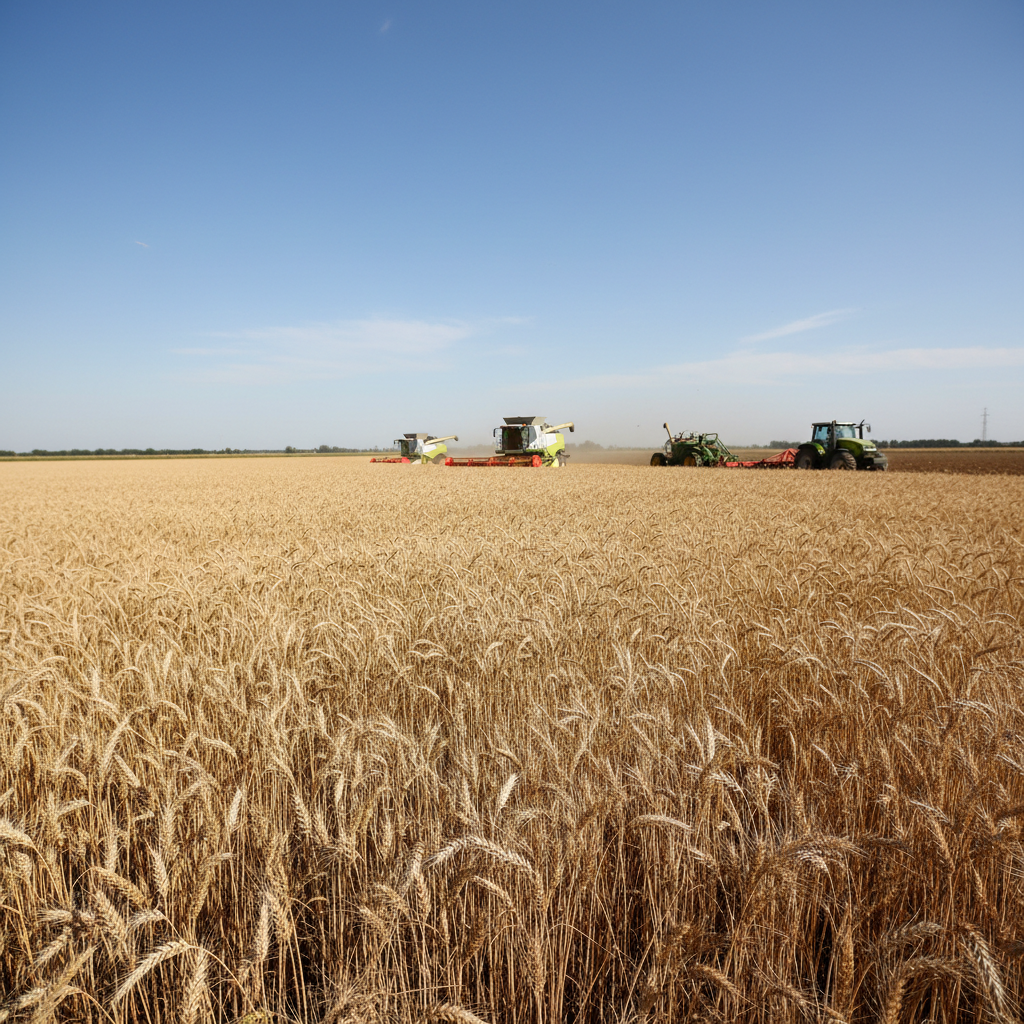
Illustration concept: A vast wheat field in Pakistan under clear skies with agricultural machinery in the background.
AI summary
Punjab and Sindh have refused to bear the financial costs of importing wheat after missing their local procurement goals. The two provinces are now asking the federal government to supply grain from strategic reserves.
Why this matters
The provincial refusal to import grain shifts severe fiscal and logistical pressure onto central reserves. Uncoordinated wheat management risks triggering supply deficits and food price volatility across major urban markets.
Key takeaways
- Punjab and Sindh declined financial responsibility for direct wheat imports.
- Both provinces failed to achieve domestic wheat procurement targets.
- Provinces requested grain allocations directly from federal reserve stocks.
- Federal authorities must evaluate national reserves to prevent market shortages.
The provincial administrations of Punjab and Sindh have backtracked on their earlier commitments to import wheat, declining to take on the associated financial obligations. Both regional governments have officially requested wheat supplies directly from federal reserves to satisfy their respective local consumer demand.
According to Express Tribune Business, this policy reversal followed the failure of both provinces to meet their domestic wheat procurement targets during the recent harvesting season. Having fallen short in buying required quantities from local growers, provincial authorities are now depending on federal stocks to bridge the supply gap.
The refusal of the two largest provinces to shoulder commercial import liabilities places additional pressure on the central government. Federal authorities are currently evaluating whether available national grain reserves are sufficient to fulfill provincial requests without compromising overall strategic stocks or creating national supply bottlenecks.
Market observers highlight that provincial procurement failures often result from administrative delays, setting unrealistic purchase targets, and pricing disputes with farmers during the harvest period. By stepping away from direct foreign grain purchases, Punjab and Sindh seek to insulate their regional budgets from international commodity price fluctuations and currency exchange risks.
This development underlines the persistent coordination hurdles between federal and provincial management in maintaining national food security. The central government must now decide how to manage its wheat reserves effectively while preventing localized price hikes in urban markets.
Frequently asked questions
- Why are Punjab and Sindh refusing to import wheat?
- The provinces are seeking to avoid financial liabilities and international market risks after failing to meet their local wheat procurement targets.
- How are the provinces planning to fulfill local wheat demand?
- Punjab and Sindh have requested allocations directly from federal government reserves to cover their domestic grain requirements.
Source & transparency
- By:
- The Reviser Desk
- Source:
- Express Tribune Business | Business Recorder
- Original publication:
- Aug 14, 2026, 4:18 PM
- The Reviser publication:
- Aug 14, 2026, 4:18 PM
- Updated:
- Aug 18, 2026, 12:15 AM
This report was independently written by The Reviser editorial desk from verified source material. It is not original on-the-ground reporting by The Reviser.
Related stories

JOHN LEWIS BOSS EXITS
John Lewis Managing Director Peter Ruis Abruptly Steps Down
AI summaryPeter Ruis has unexpectedly resigned from his position as managing director of John Lewis, the UK's largest department store chain. The abrupt exit comes amid ongoing trading challenges across the broader brick-and-mortar retail sector.
LEAP INDIA SHARES DROP 5.3%
LEAP India Shares Fall 5.3% on NSE Debut at $725M Valuation
AI summaryLEAP India shares dropped 5.3% on their trading debut despite initially listing at a 4.3% premium over the issue price. The supply chain firm's $260 million public offer faced retail investor hesitation due to valuation concerns and tightening operating margins.
GROCERY WAREHOUSES SHUT DOWN
Maharashtra Food Chief Suspends 12 Quick Commerce Warehouses
AI summaryMaharashtra food safety authorities have suspended operating permits for 12 quick-commerce warehouses run by Eternal, Swiggy, and Zepto due to unhygienic conditions. The enforcement drive led by Tukaram Mundhe also resulted in the closure of four Domino's outlets in the state.
PETROL DEALERS MARGIN RAISED
ECC Raises Petrol and Diesel Dealers Margin by Rs1.34
AI summaryPakistan's Economic Coordination Committee has sanctioned a Rs1.34 per litre hike in profit margins for petrol and high-speed diesel retailers. The decision, aimed at addressing grievance calls from fuel distributors, was taken during a meeting chaired by Finance Minister Muhammad Aurangzeb.