UK Heatwave Strains Rail Network After Dual Train Derailments
Network Rail Cites Extreme Heat After Two Derailments in 24 Hours
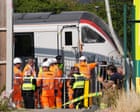
RAIL CRASH HEAT WAVE
Illustration concept: A wide-angle photo of a modern passenger train standing on railway tracks near a rural station in the UK under bright hazy sunlight, with emergency services visible in the distance.
AI summary
Network Rail has cited extreme weather pressure after two train derailments occurred in England within a 24-hour span during the country's fifth summer heatwave. While a Friday incident in Essex caused no injuries, a Thursday crash near Lewes, East Sussex, left two passengers seriously hurt.
Why this matters
Repeated railway incidents during high temperatures highlight the growing vulnerability of critical transport infrastructure to extreme climate events. With passenger safety and line reliability at stake, rail operators face mounting operational and financial pressure to adapt tracks against extreme heat.
Key takeaways
- Two train derailments occurred in England in less than 24 hours during intense summer heat.
- A Friday derailment at Wickford station in Essex resulted in no reported injuries.
- A Thursday derailment near Lewes, East Sussex, overturned carriages and seriously injured two people.
- Network Rail attributed severe operational stress to the UK's fifth heatwave of the summer.
Severe summer weather has thrown British rail services into disruption following two separate derailments recorded within a single 24-hour period.
The latest incident occurred on Friday at Wickford station in Essex, where the back carriages of a Greater Anglia service came off the tracks. British Transport Police confirmed the train remained upright and no passengers sustained injuries during the event.
That derailment followed a far more severe crash on Thursday near Lewes, East Sussex. In that instance, multiple carriages of a Southern train overturned onto their side, trapping occupants inside and resulting in serious injuries to two people.
Responding to the consecutive accidents, Network Rail stated that the UK’s fifth heatwave of the season has "presented exceptional challenges to the railway". Extreme heat is known to cause track distortion and operational strain across the national rail system.
Frequently asked questions
- Where did the two train derailments take place?
- The incidents occurred at Wickford station in Essex on Friday and near Lewes in East Sussex on Thursday.
- Were there any casualties in the incidents?
- No injuries were reported in the Essex derailment. However, two passengers were seriously hurt in the East Sussex crash.
- Why is Network Rail citing heatwave challenges?
- Network Rail noted that the UK's fifth heatwave of the summer has created severe operational pressures on railway infrastructure.
Source & transparency
- By:
- The Reviser Desk
- Source:
- Guardian Business
- Original publication:
- Aug 14, 2026, 5:20 PM
- The Reviser publication:
- Aug 14, 2026, 5:20 PM
- Updated:
- Aug 14, 2026, 5:46 PM
This report was independently written by The Reviser editorial desk from verified source material. It is not original on-the-ground reporting by The Reviser.
Related stories
SCOTLAND TOURISM SURGES 15%
Scotland Tourism Booms with 15% Flight Booking Surge in 2026
AI summaryScotland is experiencing a major influx of international tourists, marked by a 15 percent surge in summer flight bookings to Scottish airports. Meanwhile, London and the rest of England have seen declining visitor numbers amid broader European holiday disruptions.

STUDENT MONEY SAVING HACKS
Student Shares Hacks to Cut University Debt and Save Cash
AI summaryA 21-year-old university student named Erin has detailed her methods for cutting expenses and generating extra cash while studying. Over two years, her strategies included securing free concert tickets and earning £200 in one weekend selling secondhand clothes.
PETROL DEALERS MARGIN RAISED
ECC Raises Petrol and Diesel Dealers Margin by Rs1.34
AI summaryPakistan's Economic Coordination Committee has sanctioned a Rs1.34 per litre hike in profit margins for petrol and high-speed diesel retailers. The decision, aimed at addressing grievance calls from fuel distributors, was taken during a meeting chaired by Finance Minister Muhammad Aurangzeb.
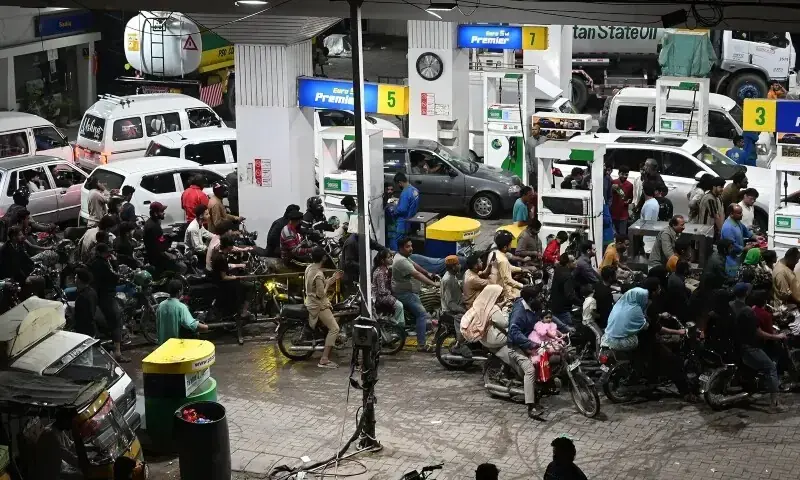
STRIKE CALLED OFF
Pakistan Petroleum Dealers Call Off Strike After Margin Hike
AI summaryThe Pakistan Petroleum Dealers’ Association has called off its proposed nationwide strike after reaching an agreement with the federal government regarding profit margins. Officials approved a Rs1.34 per litre increase in dealer margins, averting widespread fuel distribution disruptions across the country.