Global Food Security Crisis Demands Strategic Reserves
Why Climate Shocks and Geopolitics Require Strategic Food Reserves

FOOD CRISIS RISKS EXPOSED
Illustration concept: A wide shot of parched, cracked agricultural soil under a harsh hazy sun, with dry empty crop fields extending to the horizon, professional editorial photography style.
CSS / PCS revision
Key points, takeaways and exam-style Q&A formatted as a printable one-file study pack.
AI summary
Severe weather conditions and global geopolitical friction have exposed structural vulnerabilities in international food supply chains. Writing in Guardian Opinion, commentators argue that relying solely on market trade without strategic state food stockpiles leaves nations unprepared for compounding agricultural shocks.
Why this matters
The vulnerability of food supply chains affects both developed and developing nations facing rising food inflation and climate risks. For developing economies, understanding food security governance is critical to mitigating severe socio-economic distress during unexpected international supply disruptions.
Key takeaways
- Global food supply chains face compounding disruptions from climate change and geopolitical conflict.
- Analyst warnings point to potential multi-decade severe food security challenges due to parched agricultural soils.
- Ideological aversion to government intervention has led to the dismantling of strategic national food reserves.
- Developing nations like Pakistan face heightened risks from international trade volatility, making buffer stocks vital.
- A resilient food security framework requires pairing open market trade with transparent state stockpiles.
Recent climate extremes and ongoing geopolitical volatility, including conflicts involving Ukraine and Iran, have severely threatened international food stability. As reported by Guardian Opinion, parched soils in Britain and market analyst warnings of the worst UK food security crisis in decades highlight how exposed domestic agricultural systems remain to external shocks. Historically, international trade softened domestic crop failures, rendering severe hunger far less frequent. However, the simultaneous convergence of localized extreme weather and global trade disruptions has threatened this historical safety net.
Proponents of strategic food reserves argue that market forces alone cannot safeguard essential human needs during multi-layered emergencies. Over-reliance on just-in-time global supply chains leaves populations vulnerable when systemic disruptions occur. Commentators note that political resistance against state intervention—often dismissed as excessive government regulation—has deterred Western administrations from maintaining public food stockpiles. Re-establishing strategic food reserves is thus framed as a fundamental measure of state prudence rather than unwarranted market distortion.
Conversely, free-market advocates contend that state-managed stockpiles can be economically inefficient, costly to maintain, and prone to market distortion. Opponents of state intervention argue that robust, diversified international trade networks remain the most cost-effective buffer against local agricultural shortages. They contend that government market controls can artificially suppress farmgate prices, undermine private investment in agriculture, and create bureaucratic inefficiencies during emergency distribution.
For developing countries in South Asia, including Pakistan, these global dynamics present severe economic and humanitarian implications. Pakistan faces acute climate vulnerabilities—ranging from catastrophic floods to severe heatwaves—alongside high food inflation and fiscal constraints. The inability of global trade networks to reliably cushion domestic crop failures during global shocks means vulnerable countries cannot rely entirely on imports. Strategic grain reserves and robust state buffer stocks are critical to maintaining price stability and preventing widespread food insecurity across the wider region.
In conclusion, the current confluence of ecological stress and conflict underscores the limits of absolute reliance on deregulated trade for essential food security. Achieving long-term resilience requires a balanced policy approach where competitive trade is coupled with transparent, state-backed strategic reserves. For policymakers and governance analysts alike, establishing robust food security architecture is no longer merely an economic choice, but an indispensable imperative for national stability.
Frequently asked questions
- Why are market analysts raising concerns about food security?
- Analyst concerns stem from severe localized droughts, parched agricultural soils, and international geopolitical conflicts that disrupt global crop distribution.
- What is the primary argument for maintaining strategic food stockpiles?
- Advocates argue strategic reserves protect national populations from sudden price spikes and trade failures when climate or geopolitical shocks disrupt global supply chains.
- How do global food security challenges affect Pakistan?
- As a climate-vulnerable nation facing high food inflation, disruptions in global agricultural markets reinforce Pakistan's need for robust domestic grain buffer stocks and resilient agrarian policies.
Source & transparency
- By:
- The Reviser Desk
- Source:
- Guardian Opinion
- Original publication:
- Aug 13, 2026, 7:00 AM
- The Reviser publication:
- Aug 13, 2026, 7:00 AM
- Updated:
- Aug 13, 2026, 12:51 PM
This report was independently written by The Reviser editorial desk from verified source material. It is not original on-the-ground reporting by The Reviser.
Related stories
TRADE BLOCS AND ECONOMIES
Global Trade Fragmentation and Its Impact on Emerging Markets
AI summaryRecent analytical commentary highlighted by WSJ Opinion examines the growing structural rift in global economic governance driven by geoeconomic fragmentation and industrial protectionism. This opinion column assesses the contrasting perspectives on state intervention versus open market norms, evaluating the specific geopolitical and financial ramifications for emerging nations such as Pakistan.
CHINA'S ECONOMIC BLUEPRINT REVEALED
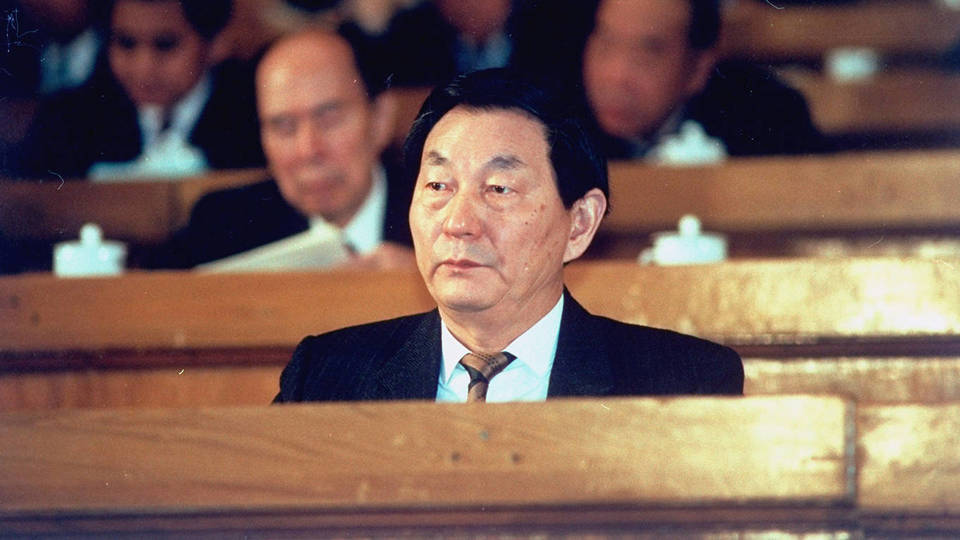
Zhu Rongji and the Blueprint of China Economic Rise
AI summaryDespite facing substantial political hurdles and an unlikely path to top leadership, former Chinese Premier Zhu Rongji spearheaded fundamental economic reforms that catapulted China into a global economic powerhouse. According to an analysis published by Project Syndicate, his legacy offers critical insights into technocratic governance, market integration, and state enterprise restructuring for developing economies.

VIETNAM RARE EARTH CHALLENGE
Vietnam Rare Earth Dilemma and China Plus One Strategy
AI summaryVietnam has gained significant economic ground as foreign firms seek to de-risk supply chains from Beijing under the China Plus One approach. However, an analysis by The Diplomat highlights that the country remains deeply constrained by its strategic reliance on Chinese critical rare earth inputs.
STABILIZING PAKISTAN'S COMMODITY ECONOMY
Pakistan Commodity Market: Expanding PMEX Derivatives
AI summaryDespite relying heavily on raw agricultural produce and industrial commodities, Pakistan lacks a mature futures market for effective price discovery and risk management. Strengthening the Pakistan Mercantile Exchange (PMEX) is critical to boosting financial resilience, hedging against global price shocks, and modernizing national supply chains.