Zhu Rongji and the Blueprint of China Economic Rise
How Zhu Rongji Shaped China's Transformation into an Economic Powerhouse
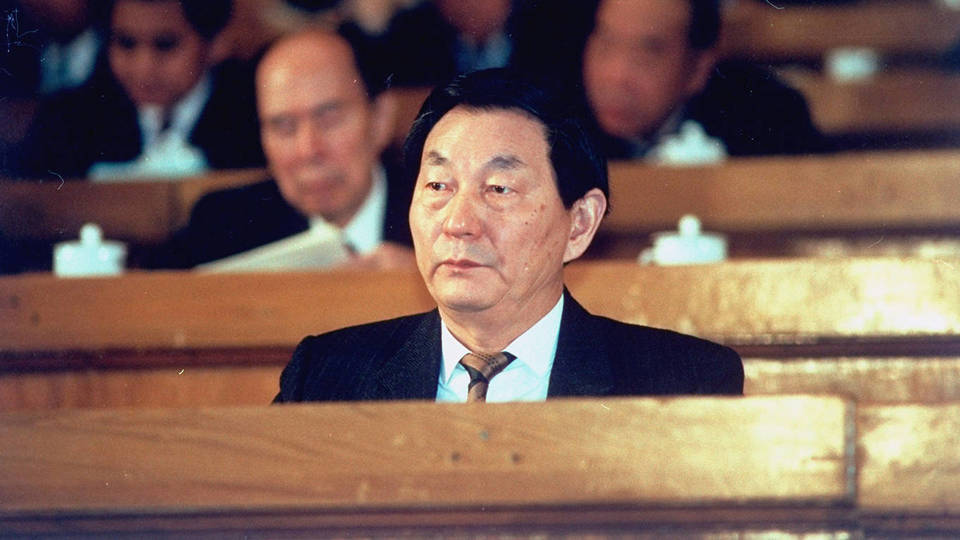
CHINA'S ECONOMIC BLUEPRINT REVEALED
Illustration concept: A dignified graphic illustration depicting modern Chinese economic history, featuring modern skyline architecture combined with symbolic political and economic motifs in editorial newspaper style.
CSS / PCS revision
Key points, takeaways and exam-style Q&A formatted as a printable one-file study pack.
AI summary
Despite facing substantial political hurdles and an unlikely path to top leadership, former Chinese Premier Zhu Rongji spearheaded fundamental economic reforms that catapulted China into a global economic powerhouse. According to an analysis published by Project Syndicate, his legacy offers critical insights into technocratic governance, market integration, and state enterprise restructuring for developing economies.
Why this matters
Understanding the structural reforms championed during Zhu Rongji's tenure provides valuable lessons for nations struggling with fiscal deficits and inefficient state enterprises. For developing economies like Pakistan, examining China's reform trajectory highlights how technocratic discipline and institutional realignment can drive sustainable economic modernization.
Key takeaways
- Zhu Rongji overcome significant political challenges to execute decisive structural reforms that transformed China into a global economic powerhouse.
- Key policy pillars included state-owned enterprise restructuring, fiscal centralization through a modern tax system, and integration into global trade via WTO accession.
- The implementation of aggressive market mechanisms demonstrated the viability of combining centralized authority with disciplined economic pragmatism.
- For developing nations like Pakistan, China's reform experience underscores the critical need for public sector efficiency, tax reform, and sustainable governance.
Former Chinese Premier Zhu Rongji's ascension to the apex of Chinese governance represents one of the most remarkable chapters in modern political history. Despite facing significant personal adversity and daunting political obstacles that made his political rise highly improbable, Zhu emerged as the chief architect of China's economic transformation during the 1990s and early 2000s. According to commentary published by Project Syndicate, his tenure fundamentally restructured the nation's financial architecture, laying the foundation for China to evolve into a global economic powerhouse.
Central to Zhu's policy agenda was the radical overhaul of China's state-owned enterprises and its fiscal framework. Advocates of his technocratic approach point out that his decisive measures—including streamlining bloated state firms, establishing a modern tax-sharing system, and negotiating entry into the World Trade Organization—instilled market discipline and attracted unprecedented foreign direct investment. By introducing macroeconomic controls and reining in soaring inflation, his administration demonstrated how political authority could be leveraged to execute market-oriented adjustments.
Conversely, critics and political analysts note that these aggressive economic shifts carried heavy social and domestic costs. The restructuring of state enterprises resulted in widespread layoffs and millions of displaced urban workers, creating temporary social strain and accentuating regional economic disparities between coastal hubs and inland provinces. Furthermore, the debate continues over whether China's model relied too heavily on export-driven growth at the expense of domestic consumption, raising long-term questions regarding structural equity.
For developing nations across South Asia, particularly Pakistan, Zhu's reform legacy offers profound strategic lessons. Pakistan continues to confront systemic fiscal imbalances, inefficient state-owned entities, and a narrow tax base that severely hamper economic stabilization. By analyzing China's sequence of fiscal centralization and public sector restructuring, Pakistani policymakers can draw actionable insights for implementing tough structural adjustments, optimizing state resources, and creating a competitive environment necessary to attract long-term investment under frameworks like the China-Pakistan Economic Corridor.
Ultimately, the legacy of Zhu Rongji illustrates that sustained economic power stems from pragmatic leadership and an uncompromising commitment to structural reform. While the political context of Beijing remains unique, the imperative to modernize governance structures, enforce fiscal discipline, and adapt to global trade dynamics remains universal. As regional economies attempt to navigate contemporary geopolitical shifts and domestic fiscal crises, the principles of technocratic governance and institutional reform championed during Zhu's era remain directly relevant.
Frequently asked questions
- Who was Zhu Rongji and what was his primary historical contribution?
- Zhu Rongji served as Premier of China from 1998 to 2003, widely recognized for spearheading major fiscal, state enterprise, and market-oriented reforms that catalyzed China's economic rise.
- What major economic challenges did Zhu Rongji address during his leadership?
- He managed high inflation, overhauled inefficient state-owned enterprises, restructured China's fiscal tax system, and successfully guided the country into the World Trade Organization.
- Why is Zhu Rongji's economic legacy relevant to Pakistan?
- His reform trajectory offers valuable insights for Pakistan regarding fiscal management, privatization, public sector enterprise efficiency, and technocratic economic planning.
Source & transparency
- By:
- The Reviser Desk
- Source:
- Project Syndicate
- Original publication:
- Aug 12, 2026, 3:07 PM
- The Reviser publication:
- Aug 12, 2026, 3:07 PM
- Updated:
- Aug 12, 2026, 8:30 PM
This report was independently written by The Reviser editorial desk from verified source material. It is not original on-the-ground reporting by The Reviser.
Related stories

CHINA'S AI WEAKNESS EXPOSED
China AI Race Weakness: How Welfare State Deficits Impact Tech
AI summaryChina's lack of a comprehensive welfare system represents a significant structural vulnerability in its bid for artificial intelligence leadership, according to an analysis published by Project Syndicate. Without credible state guarantees against worker destitution caused by automation, public acceptance and economic adaptation to AI advancement face serious friction.

MONEY AND POLITICAL EXTREMISM
How Global Monetary Systems Fuel Inequality and Extremism
AI summaryRecent commentary from Project Syndicate highlights how the current global economic model generates extreme wealth disparity, public debt, and political instability. The analysis argues that systemic financial reform, including rethinking money as a private commodity, is crucial for long-term political and ecological stability.
INCLUSION BEFORE TAX ENFORCEMENT
Rethinking Pakistan Shadow Economy Through Financial Inclusion
AI summaryPakistan's shadow economy comprises 35 to 40 percent of total economic activity, draining approximately 6 percent of GDP annually in unreported revenue. According to Business Recorder Opinion, policymakers must prioritize structural financial inclusion and public trust over aggressive tax enforcement to integrate the informal sector.
MODERN GEOPOLITICAL ODYSSEY EXPLAINED
Navigating Political Odysseys in Contemporary Global Governance
AI summaryRecent editorial commentary from Washington Post Opinions highlights how classical literary themes, such as Homer's Odyssey, serve as vital metaphors for contemporary political leadership and crisis navigation. This analysis explores the strategic parallels between ancient allegorical journeys and modern geopolitical challenges facing developing nations.