Pakistan Commodity Market: Expanding PMEX Derivatives
Unlocking Economic Resilience: Why Pakistan Needs a Robust Commodity Derivatives Market
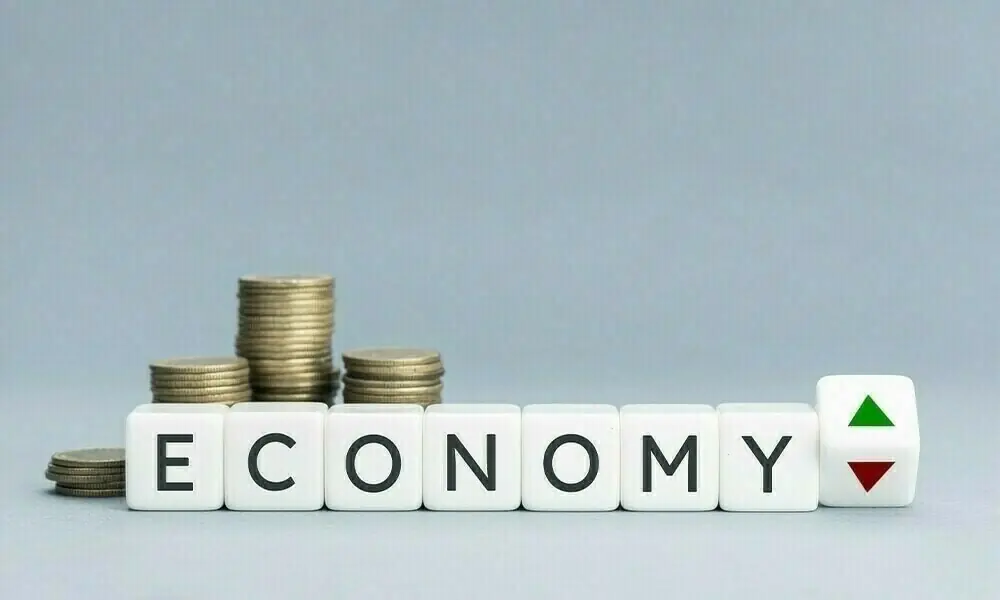
STABILIZING PAKISTAN'S COMMODITY ECONOMY
Illustration concept: A modern financial trading floor graphic overlaying a vibrant agricultural wheat field in Pakistan, conceptual editorial illustration representing economic stability and commodity futures.
CSS / PCS revision
Key points, takeaways and exam-style Q&A formatted as a printable one-file study pack.
AI summary
Despite relying heavily on raw agricultural produce and industrial commodities, Pakistan lacks a mature futures market for effective price discovery and risk management. Strengthening the Pakistan Mercantile Exchange (PMEX) is critical to boosting financial resilience, hedging against global price shocks, and modernizing national supply chains.
Why this matters
For a nation highly vulnerable to supply chain disruptions and global price swings, formalizing commodity trading is vital for macroeconomic stability. Empowering PMEX allows farmers, processors, and industrial firms to hedge against volatile market risks, ultimately stabilizing domestic inflation and food security.
Key takeaways
- Commodity Vulnerability: Key economic sectors in Pakistan—including agriculture, textiles, and energy—remain fully exposed to unhedged price volatility.
- Institutional Strategic Asset: As the country's sole regulated exchange, PMEX offers a foundational platform for price discovery, capital efficiency, and market transparency.
- Structural Bottlenecks: A lack of standardized warehousing, informal trading networks, and limited grower awareness prevent widespread derivative market adoption.
- Macroeconomic Imperative: Transitioning to formal hedging mechanisms is crucial for stabilizing domestic inflation, managing food security, and modernizing economic planning.
Pakistan’s macroeconomic architecture remains fundamentally tied to raw materials and primary commodities. Key economic drivers—ranging from agriculture and cotton-dependent textiles to energy generation driven by natural gas and crude oil—operate under constant exposure to sudden price swings. However, despite the economy's heavy reliance on these fundamental inputs, the country has struggled to develop a deep, liquid commodity derivatives market capable of mitigating these pervasive commercial risks.
According to an analytical column published by Business Recorder Opinion, the Pakistan Mercantile Exchange (PMEX) occupies a strategic position as the nation's sole regulated commodity futures platform. Around the world, established commodity exchanges fulfill three essential macroeconomic functions: establishing transparent benchmark prices, providing risk-mitigation tools for market participants, and guiding capital allocation through efficient market signals. For Pakistan, realizing this potential requires transforming PMEX from a mere trading venue into a core national financial institution.
Developing a thriving futures market faces notable structural hurdles within the domestic landscape. Traditional agricultural supply chains rely heavily on informal intermediary networks, such as the traditional 'arthi' system, which operate outside formal regulatory frameworks. Furthermore, a lack of accredited warehousing infrastructure, standard quality certification systems, and limited financial literacy among primary producers has kept participation shallow, preventing mainstream agricultural and industrial actors from utilizing formal hedging tools.
The consequences of an underdeveloped hedging ecosystem extend directly into national policy and regional economic competitiveness. Without transparent price discovery, domestic producers face severe revenue uncertainty, while consumers bear the brunt of sudden inflationary spikes in essential foodstuffs and raw industrial inputs. Compared to regional peers that leverage sophisticated futures markets to stabilize agricultural supply and manage trade flows, Pakistan remains vulnerable to global commodity price volatility and fiscal forecasting errors.
Addressing these structural deficits is imperative for sustainable economic planning and food security. Integrating physical commodity markets with formal financial exchanges demands multi-pronged reform, including legislative support for electronic warehouse receipts, modernizing storage infrastructure, and introducing regulatory incentives for corporate participation. Empowering PMEX to fulfill its strategic role will ultimately bolster Pakistan's financial architecture and foster long-term macroeconomic stability.
Frequently asked questions
- What is the Pakistan Mercantile Exchange (PMEX)?
- PMEX is Pakistan's only regulated commodity futures exchange, designed to facilitate price discovery, transparent trading, and risk management across agricultural and industrial commodities.
- Why is a commodity derivatives market essential for Pakistan's economy?
- It enables producers, manufacturers, and traders to hedge against volatile market price swings, ensuring predictable supply chains and reducing sudden inflationary shocks.
- How does a formal exchange support national food security?
- By providing transparent forward pricing and risk management tools, formal exchanges encourage stable agricultural production, reduce post-harvest waste, and incentivize modern storage infrastructure.
Source & transparency
- By:
- The Reviser Desk
- Source:
- Business Recorder Opinion
- Original publication:
- Aug 12, 2026, 9:23 PM
- The Reviser publication:
- Aug 12, 2026, 9:23 PM
- Updated:
- Aug 12, 2026, 10:02 PM
This report was independently written by The Reviser editorial desk from verified source material. It is not original on-the-ground reporting by The Reviser.
Related stories
WAR ON INFLATION
Kevin Warsh and the Battle Against Persistent Inflation
AI summaryRecent commentary from Washington Post Opinions emphasizes that global inflation remains stubbornly elevated, urging key financial figures like Kevin Warsh to move beyond rhetoric and implement concrete monetary measures. The ongoing struggle highlights the delicate balance central bankers must strike between price stability and economic growth.
INCLUSION BEFORE TAX ENFORCEMENT
Rethinking Pakistan Shadow Economy Through Financial Inclusion
AI summaryPakistan's shadow economy comprises 35 to 40 percent of total economic activity, draining approximately 6 percent of GDP annually in unreported revenue. According to Business Recorder Opinion, policymakers must prioritize structural financial inclusion and public trust over aggressive tax enforcement to integrate the informal sector.
EDUCATION BAN IN AFGHANISTAN
Afghanistan Female Education Ban and Global Inaction Examined
AI summaryAn analysis by Dawn Opinion underscores the growing crisis in Afghanistan, where 2.4 million girls are excluded from secondary education under Taliban restrictions. The piece critiques international inaction following the 2021 US withdrawal and highlights the geopolitical consequences for neighboring regions like Pakistan.

CHINA'S ECONOMIC BLUEPRINT REVEALED
Zhu Rongji and the Blueprint of China Economic Rise
AI summaryDespite facing substantial political hurdles and an unlikely path to top leadership, former Chinese Premier Zhu Rongji spearheaded fundamental economic reforms that catapulted China into a global economic powerhouse. According to an analysis published by Project Syndicate, his legacy offers critical insights into technocratic governance, market integration, and state enterprise restructuring for developing economies.