Asian Currency Valuation and US Trade Imbalances Analysis
Why Currency Market Interventions Cannot Fix East Asia's Trade Surpluses
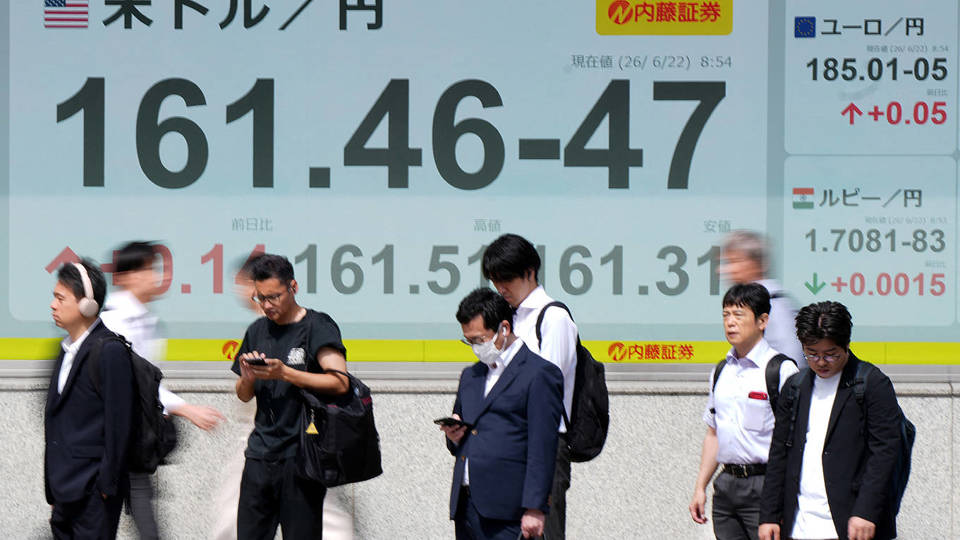
CURRENCY TRADE IMBALANCES EXPLAINED
Illustration concept: An abstract digital illustration representing global currency exchange rates, foreign trade flows, and macroeconomic balance charts.
CSS / PCS revision
Key points, takeaways and exam-style Q&A formatted as a printable one-file study pack.
AI summary
Project Syndicate highlights concerns regarding the alleged undervaluation of the Chinese renminbi, Japanese yen, and South Korean won against the US dollar. The publication argues that coordinated currency interventions cannot resolve the structural economic fundamentals driving trade surpluses.
Why this matters
Understanding East Asian currency dynamics is essential for evaluating global macroeconomic stability and trade relations. For developing economies like Pakistan, these international trade imbalances influence global interest rates, capital flows, and import costs.
Key takeaways
- East Asian trade surpluses with the US drive debate over renminbi, yen, and won valuations.
- Coordinated currency market interventions fail to correct fundamental macroeconomic causes of trade imbalances.
- Structural reform in domestic savings and consumption is required to achieve sustainable international trade balance.
- International Economics and Macroeconomic Policy.
According to Project Syndicate, global discussions regarding currency valuation in East Asia remain heavily focused on the perceived undervaluation of key regional tenders against the United States dollar. Observers critical of these exchange rates frequently highlight the substantial trade and current-account surpluses that China, Japan, and South Korea maintain relative to the American economy.
However, relying on policy interventions in foreign exchange markets offers an incomplete solution. While coordinated market interventions can temporarily alter currency pricing, Project Syndicate argues that such actions fail to resolve the core economic fundamentals driving these persistent bilateral trade imbalances. Factors such as national savings rates, consumer behavior, and structural productivity differences require internal policy shifts rather than external market manipulation.
From a South Asian perspective, including Pakistan, these macroeconomic distortions in East Asia carry broader regional consequences. Distortions in the renminbi, yen, and won influence regional export competitiveness, international commodity pricing, and capital allocation across emerging markets. Furthermore, artificial adjustments without fundamental reform heighten currency volatility across developing trade routes.
Ultimately, sustainable rebalancing between major trade partners demands comprehensive domestic economic reforms rather than superficial exchange rate adjustments. Unilateral or joint interventions in foreign exchange markets cannot substitute for correcting domestic savings-investment gaps and structural demand deficits.
Frequently asked questions
- Why are East Asian currencies considered undervalued by critics?
- Critics point to the large trade and current-account surpluses China, Japan, and South Korea maintain with the US as evidence of currency undervaluation.
- Can joint currency interventions fix global trade imbalances?
- No, according to Project Syndicate, market interventions do not address the underlying economic fundamentals that create current-account trade imbalances.
Source & transparency
- By:
- The Reviser Desk
- Source:
- Project Syndicate
- Original publication:
- Aug 14, 2026, 4:11 PM
- The Reviser publication:
- Aug 14, 2026, 4:11 PM
- Updated:
- Aug 16, 2026, 12:33 AM
This report was independently written by The Reviser editorial desk from verified source material. It is not original on-the-ground reporting by The Reviser.
Related stories

HEATWAVE REALITIES EXAMINED
UK Heatwave Positives Examined in Guardian Editorial Cartoon
AI summaryGuardian Opinion published a satirical editorial cartoon by Natalya Lobanova focusing on the UK's recent summer heatwave. The piece highlights public reactions to changing weather patterns and underscores the growing global conversation surrounding climate adaptation.

PAKISTANI HOSTAGES SOMALI PIRACY
Somali Pirate Hijacking Exposes Pakistan Maritime Policy Flaws
AI summaryEleven Pakistani seafarers remain captive after Somali pirates hijacked their oil tanker over three months ago, prompting urgent appeals for government intervention. The incident highlights diplomatic hurdles and systemic gaps in maritime labor protections for Pakistani crew members.

CIVIC AID VS WELFARE
Community Mutual Aid vs State Welfare: NYT Opinion Analysis
AI summaryAn analytical commentary by NYT Opinion highlights how community members step in when federal welfare programs face reductions. The dynamic underscores the delicate balance between state-sponsored social safety nets and local civic initiative.

AFGHANISTAN UNDER TALIBAN RULE
Five Years of Taliban Rule: Impact on Afghan Rights and Stability
AI summaryFive years after the Taliban retook power in Afghanistan, civic freedoms and cultural output have drastically declined under strict state control. The ongoing social and economic isolation poses complex humanitarian and security challenges for neighboring South Asian nations.