Five Years of Taliban Rule: Impact on Afghan Rights and Stability
Examining the Regional Implications of Five Years Under Taliban Rule
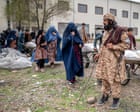
AFGHANISTAN UNDER TALIBAN RULE
Illustration concept: A solemn desolate landscape of Kabul under cloudy skies.
CSS / PCS revision
Key points, takeaways and exam-style Q&A formatted as a printable one-file study pack.
AI summary
Five years after the Taliban retook power in Afghanistan, civic freedoms and cultural output have drastically declined under strict state control. The ongoing social and economic isolation poses complex humanitarian and security challenges for neighboring South Asian nations.
Why this matters
Understanding the ongoing crisis in Afghanistan is critical for evaluating South Asian regional security and migration dynamics. It highlights the delicate balance between international human rights advocacy and pragmatic diplomatic engagement.
Key takeaways
- Taliban restrictions have severely curtailed fundamental freedoms and civic expression across Afghanistan.
- Regional neighbors face heightened security, economic, and migration pressures due to Afghan instability.
- International disengagement risks deepening humanitarian crises without guaranteeing governance reforms.
- Balanced diplomacy must prioritize human rights while maintaining channels for regional security.
Five years after the Taliban re-established control over Afghanistan, the humanitarian and human rights landscape across the country has severely worsened, according to an analysis published in Guardian Opinion. The regime's highly restrictive policies have systematically erased women from public life, crippled local institutions, and drastically reduced the flow of cultural and personal expression from within the nation's borders.
Prior to the political shift, Afghanistan maintained a vibrant digital footprint characterized by youth engagement, music production, and active cross-border cultural exchanges with its global diaspora. However, under current Taliban rule, mounting censorship and social suppression have isolated the general population, effectively diminishing independent storytelling and leaving citizens in a state of virtual confinement.
From a regional geopolitical perspective, particularly for neighboring Pakistan, the continuing social and economic deterioration in Afghanistan presents profound strategic challenges. Escalating security concerns, potential refugee movements, and the spread of extremist ideology along border regions complicate bilateral relations and threaten long-term stability across South and Central Asia.
While global powers remain cautious regarding formal diplomatic recognition of the Taliban, prolonged disengagement runs the risk of further impoverishing the Afghan population. International analysts note that complete diplomatic isolation may hamper counter-terrorism efforts and defeat attempts to encourage moderate governance reforms.
Ultimately, stabilizing Afghanistan requires a calibrated international policy that pairs conditional diplomatic engagement with targeted humanitarian assistance. Ensuring basic human rights, particularly for women and minorities, remains fundamental to achieving sustainable peace and preventing further regional destabilization.
Frequently asked questions
- How has life changed in Afghanistan under Taliban rule?
- Civic freedoms, women's rights, and cultural expression have been heavily restricted, severely isolating the population globally.
- Why is Afghan stability important for neighboring Pakistan?
- Instability risks increased refugee flows, border security challenges, and potential spillover of regional extremist activity.
Source & transparency
- By:
- The Reviser Desk
- Source:
- Guardian Opinion | Dawn World | Al Jazeera | Express Tribune Opinion
- Original publication:
- Aug 15, 2026, 5:00 AM
- The Reviser publication:
- Aug 15, 2026, 5:00 AM
- Updated:
- Aug 16, 2026, 7:15 AM
This report was independently written by The Reviser editorial desk from verified source material. It is not original on-the-ground reporting by The Reviser.
Related stories

CIVIC AID VS WELFARE
Community Mutual Aid vs State Welfare: NYT Opinion Analysis
AI summaryAn analytical commentary by NYT Opinion highlights how community members step in when federal welfare programs face reductions. The dynamic underscores the delicate balance between state-sponsored social safety nets and local civic initiative.

PAKISTANI HOSTAGES SOMALI PIRACY
Somali Pirate Hijacking Exposes Pakistan Maritime Policy Flaws
AI summaryEleven Pakistani seafarers remain captive after Somali pirates hijacked their oil tanker over three months ago, prompting urgent appeals for government intervention. The incident highlights diplomatic hurdles and systemic gaps in maritime labor protections for Pakistani crew members.
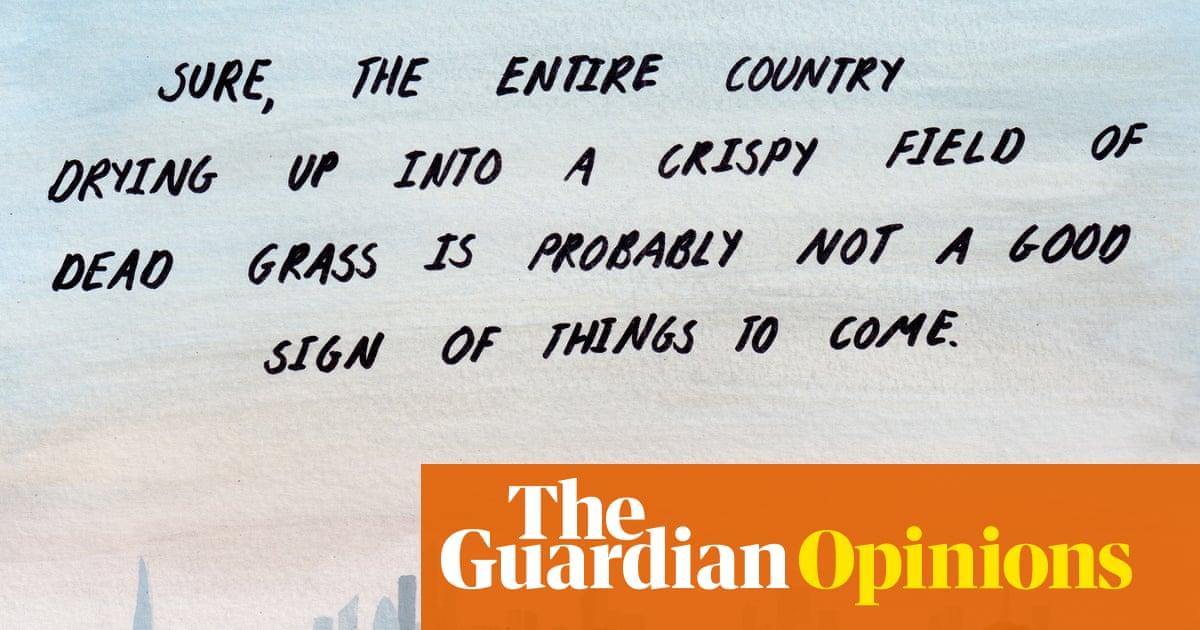
HEATWAVE REALITIES EXAMINED
UK Heatwave Positives Examined in Guardian Editorial Cartoon
AI summaryGuardian Opinion published a satirical editorial cartoon by Natalya Lobanova focusing on the UK's recent summer heatwave. The piece highlights public reactions to changing weather patterns and underscores the growing global conversation surrounding climate adaptation.

TRUTH AND ACCOUNTABILITY
Political Accountability vs Reconciliation in Governance
AI summaryA recent commentary in NYT Opinion examines how attempts to rewrite history after political violence undermine genuine reconciliation. The analysis emphasizes that political stability requires rigorous legal accountability rather than political expediency.