Automotive Industry SUV Shift Limits Family Car Options
The Rise of SUV Dominance and the Shrinking Family Saloon

SUV TYRANNY ON ROADS
Illustration concept: A long line of modern SUVs parked in an urban car lot during dusk.
CSS / PCS revision
Key points, takeaways and exam-style Q&A formatted as a printable one-file study pack.
AI summary
The auto market's growing focus on SUVs is replacing traditional saloons and altering consumer choice in the secondhand car market. While automakers prioritize high-margin larger vehicles, urban planners face rising challenges regarding spatial efficiency and environmental impacts.
Why this matters
Understanding vehicle market trends is vital for assessing urban infrastructure strains and climate policy targets. For developing nations, managing the economic and environmental fallout of vehicle supersizing is a growing policy priority.
Key takeaways
- Market shift toward SUVs limits consumer options for smaller traditional family saloons.
- Manufacturer profit incentives drive vehicle supersizing, impacting urban spatial constraints.
- Oversized vehicles heighten environmental, fuel consumption, and pedestrian safety concerns globally.
- Developing regions face economic challenges managing energy import costs and urban traffic congestion.
The global automotive market has undergone a dramatic transformation over recent years, marked by the overwhelming dominance of Sport Utility Vehicles (SUVs) and the gradual disappearance of traditional family saloons. Writing for Guardian Opinion, commentator Coco Khan highlights how consumer choice in the secondhand vehicle market has become increasingly restricted, as larger, supersized models crowd out conventional sedans and hatchbacks. This shift reflects broader industrial trends where vehicle dimensions have steadily expanded across consumer tiers.
Supporters of the SUV trend argue that larger vehicles offer enhanced safety, superior visibility, higher driving positions, and greater practicality for modern family needs. Automakers have increasingly prioritized these models due to higher profit margins, driving marketing strategies that position SUVs as the default standard for utility and status. Consequently, options for buyers seeking smaller, more fuel-efficient traditional family cars have diminished considerably in dealerships worldwide.
However, critics emphasize significant drawbacks associated with vehicle supersizing, including higher carbon footprints, elevated fuel consumption, increased danger to pedestrians, and greater strain on urban parking infrastructure. In developing economies such as Pakistan, where urban congestion and rising fuel costs pose pressing socioeconomic challenges, the influx of oversized imported vehicles presents distinct planning and economic burdens for municipal authorities and middle-class households alike.
Ultimately, the market's transition toward SUV dominance illustrates how manufacturer supply strategies can reshape consumer preferences under the guise of expanded choice. For transport policymakers and urban planners, balancing consumer demand for larger personal vehicles against environmental sustainability, road safety, and municipal spatial constraints remains a critical contemporary policy challenge.
Frequently asked questions
- Why are SUVs replacing standard family saloons?
- Automakers focus on higher profit margins and marketing larger vehicles as offerers of superior utility, safety, and modern driving status.
- What challenges does vehicle supersizing pose for urban infrastructure?
- Larger vehicles exacerbate traffic congestion, increase pedestrian risks, consume more fuel, and strain municipal parking availability.
Source & transparency
- By:
- The Reviser Desk
- Source:
- Guardian Opinion
- Original publication:
- Aug 15, 2026, 7:00 AM
- The Reviser publication:
- Aug 15, 2026, 7:00 AM
- Updated:
- Aug 15, 2026, 7:47 AM
This report was independently written by The Reviser editorial desk from verified source material. It is not original on-the-ground reporting by The Reviser.
Related stories
HEATWAVE REALITIES EXAMINED
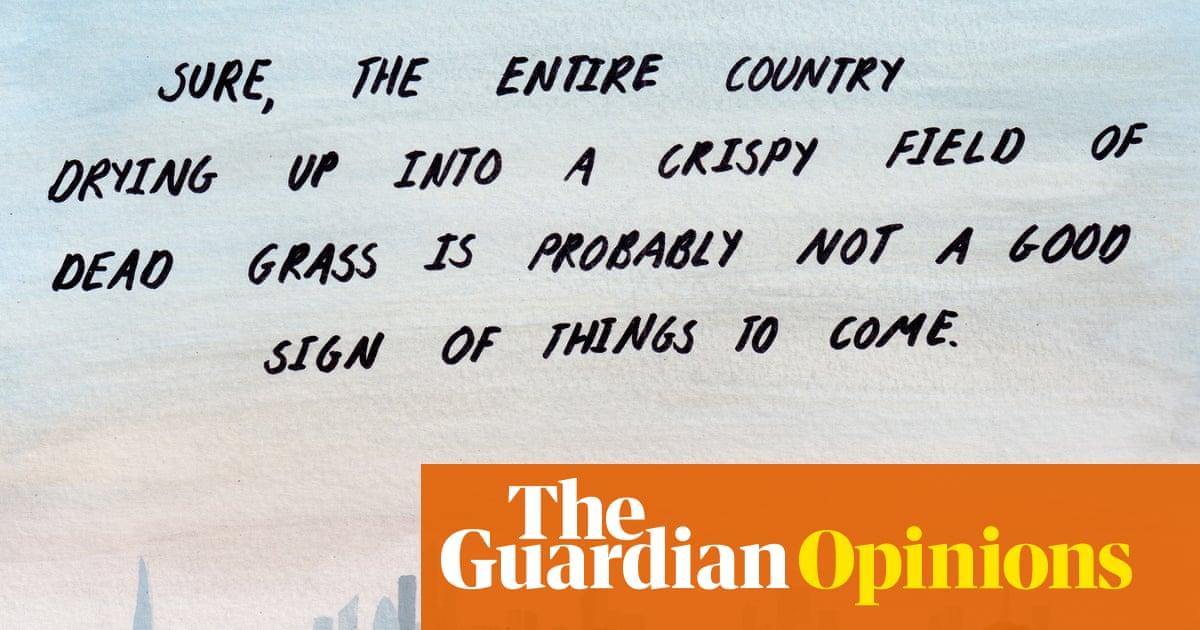
UK Heatwave Positives Examined in Guardian Editorial Cartoon
AI summaryGuardian Opinion published a satirical editorial cartoon by Natalya Lobanova focusing on the UK's recent summer heatwave. The piece highlights public reactions to changing weather patterns and underscores the growing global conversation surrounding climate adaptation.

EUROPE RIVERS DYING CLIMATE RISK
Climate Change Threats to European Rivers Reshape Global Trade
AI summaryAn analysis published by NYT Opinion indicates that climate change is severely impacting Europe's major river systems and altering traditional distributions of wealth and power. This environmental shift exposes vulnerability in advanced economies, offering crucial policy lessons for developing nations like Pakistan.

BALOCHISTAN PEACE TALKS EXPLAINED
Balochistan Unrest: Reconciliation and Security Challenges
AI summaryBalochistan continues to confront persistent lawlessness and terrorist activity that has spanned over two decades. Chief Minister Sarfraz Bugti recently urged violent elements to enter talks, while ruling out dialogue with perpetrators of innocent killings.

HEALTH CARE POLICY DEBATE
US Health Care Debate: Examining Republican Policy Proposals
AI summaryAccording to NYT Opinion, Republican lawmakers are enacting policies that reduce healthcare affordability for American consumers. The debate highlights the ongoing ideological tension between market-driven fiscal conservatism and state-supported public welfare systems.