Zardari and Shehbaz Sharif Agree to Halt Public Sparring
Pakistan Coalition Leaders Agree to Revive Joint Coordination Mechanism
COALITION TRUCE AGREED
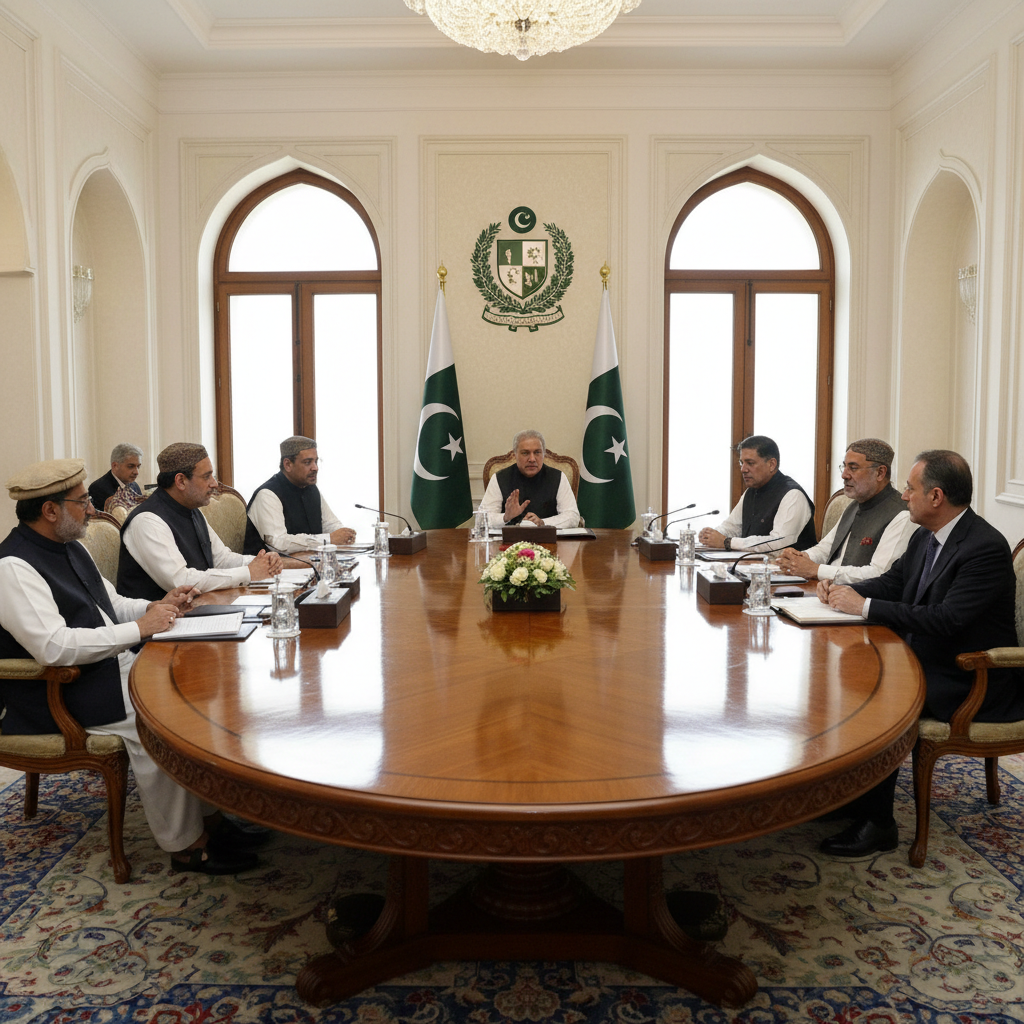
Illustration concept: A formal diplomatic meeting room in Islamabad featuring Pakistani political leaders seated at a conference table.
AI summary
Leaders of Pakistan's ruling coalition have agreed to cease public disagreements and manage political differences internally. President Asif Ali Zardari and Prime Minister Shehbaz Sharif decided to reactivate a joint coordination mechanism to streamline governance.
Why this matters
Political stability within the coalition is critical for navigating Pakistan's ongoing economic challenges and policy formulation. Resolving internal friction prevents legislative delays and presents a unified government front to Parliament.
Key takeaways
- Zardari and Shehbaz Sharif agreed to halt public political sparring within the ruling coalition.
- The coalition allies decided to revive a formal coordination mechanism to resolve internal disputes.
- PML-N and PPP aim to streamline policy decisions through structured behind-the-scenes dialogue.
Top leaders of Pakistan's ruling coalition have reached an understanding to halt public disagreements and resolve ongoing political friction through structured dialogue. According to Express Tribune Pakistan, President Asif Ali Zardari and Prime Minister Shehbaz Sharif agreed to contain party differences to ensure administrative stability across key government institutions.
The decision follows recent public remarks by figures within the alliance that signaled underlying tensions between the primary governing partners. In response, both leaderships concurred that public sparring undermines political cohesion and distracts from pressing governance issues currently facing the country.
To address these concerns systematically, the ruling allies agreed to reactivate a dedicated coordination mechanism. This revived framework will allow representatives from the Pakistan Muslim League-Nawaz (PML-N) and the Pakistan Peoples Party (PPP) to discuss policy concerns and administrative grievances behind closed doors before issuing public statements.
The restored dialogue mechanism is expected to streamline decision-making on crucial legislative matters and fiscal policies. By establishing routine consultations between the top political tiers, the coalition aims to prevent misunderstandings and present a unified stance in Parliament.
Maintaining smooth operational harmony between the coalition partners remains essential for political stability in Islamabad. Moving forward, both parties intend to utilize the formal committee channels to negotiate policy differences and maintain a stable working relationship.
Frequently asked questions
- What did Zardari and Shehbaz Sharif agree upon?
- According to Express Tribune Pakistan, both leaders agreed to cease public disagreements and resolve coalition differences through a revived internal coordination mechanism.
- Why is the coordination mechanism being reactivated?
- The mechanism was reactivated to allow coalition partners to address political grievances internally before issuing public statements or disrupting governance.
Source & transparency
- By:
- The Reviser Desk
- Source:
- Express Tribune Pakistan
- Original publication:
- Aug 14, 2026, 4:46 PM
- The Reviser publication:
- Aug 14, 2026, 4:46 PM
- Updated:
- Aug 15, 2026, 6:04 AM
This report was independently written by The Reviser editorial desk from verified source material. It is not original on-the-ground reporting by The Reviser.
Related stories
TRILATERAL DEFENSE PACT BRIEFED
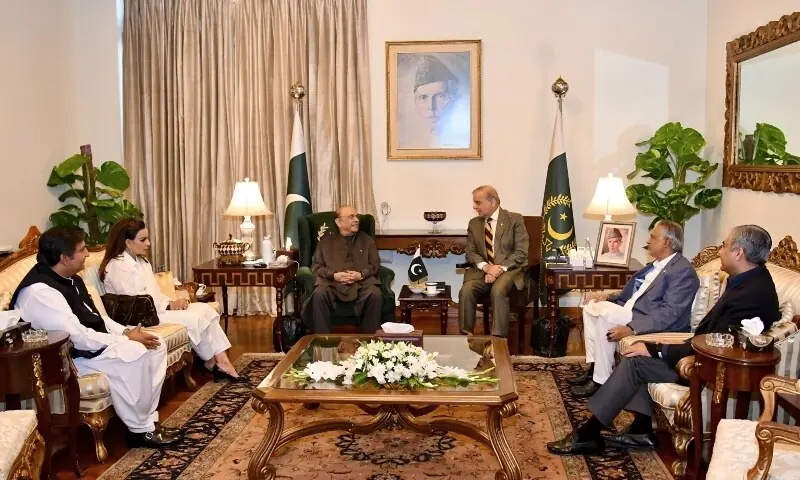
Zardari Endorses Pak-Saudi-Turkiye Defence Accord in Islamabad
AI summaryPresident Asif Ali Zardari received a comprehensive briefing on Friday from Prime Minister Shehbaz Sharif regarding a trilateral defense pact signed between Pakistan, Saudi Arabia, and Turkiye. Zardari commended the political and military leadership for transforming historic bilateral ties into a broader strategic security alliance.
PM ORDERS FLOOD RELIEF
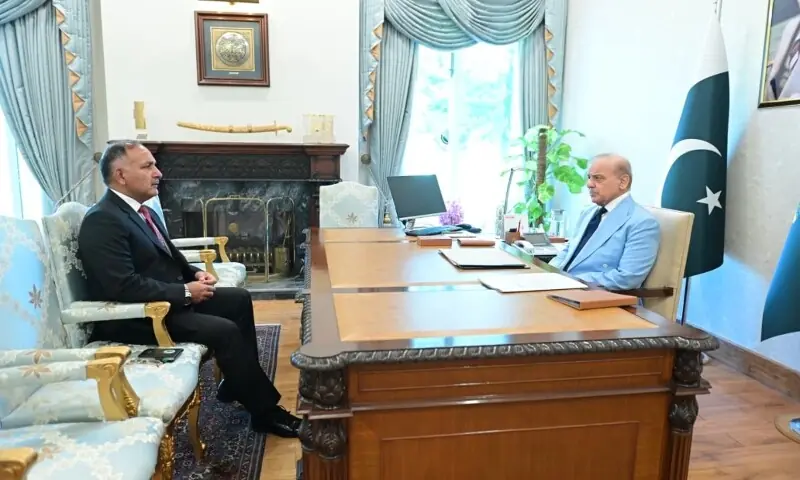
Shehbaz Sharif Orders NDMA to Mobilize Relief in Flood Areas
AI summaryPrime Minister Shehbaz Sharif has instructed the National Disaster Management Authority to mobilize all available resources for flood-affected citizens. The directive came during an official meeting between the prime minister and NDMA Chairman Lieutenant General Inam Haider Malik.
NAWAZ ON COALITION TENSIONS
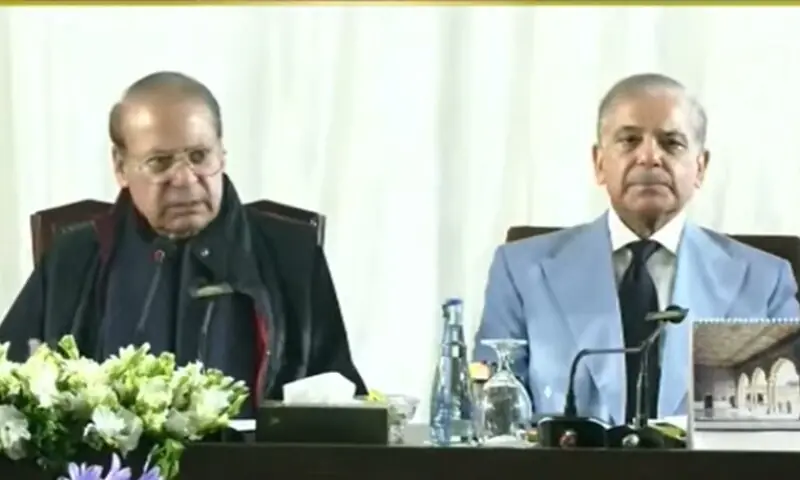
Nawaz Sharif Urges Political Rivals to Avoid Animosity
AI summaryFormer prime minister Nawaz Sharif has urged political rivals not to let election differences turn into hatred, pointing to recent complaints from coalition partner PPP as upsetting. Speaking at a Murree convention, he acknowledged the AJK elections held amid ongoing regional protest tensions.
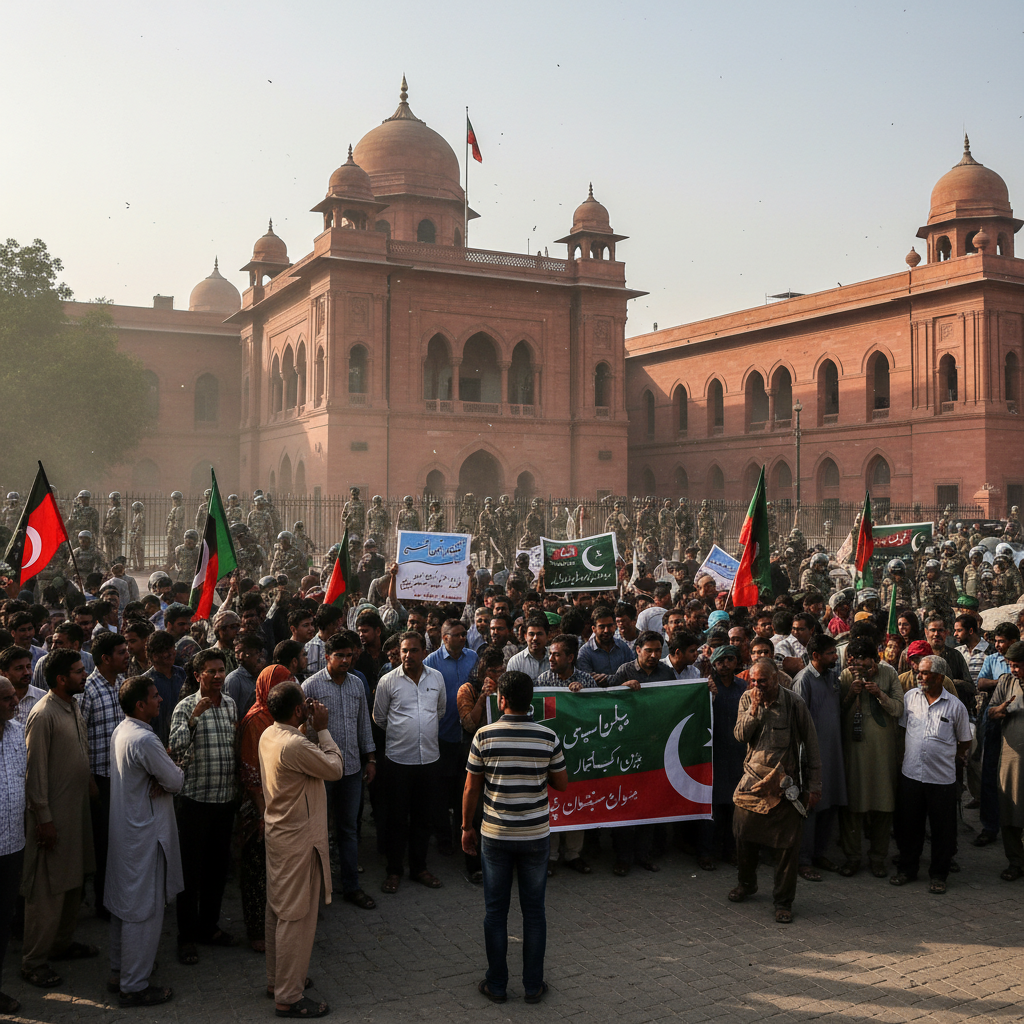
JI PETROL PROTEST AUG 16
JI Plans Aug 16 Sit-Ins Over Fuel Hikes, Warns Government
AI summaryJamaat-e-Islami has called for demonstrations on August 16 outside provincial governor houses and Lahore's Chief Minister House in response to recent fuel price increases. The political party cautioned that growing public dissatisfaction could transform these sit-ins into a wider campaign targeting the current administration.