Why the FTX Survival Story Demands Crypto Legislation
Lessons From FTX Point to the Urgent Need for the CLARITY Act
WHY REGULATION SAVED FTX REMNANTS
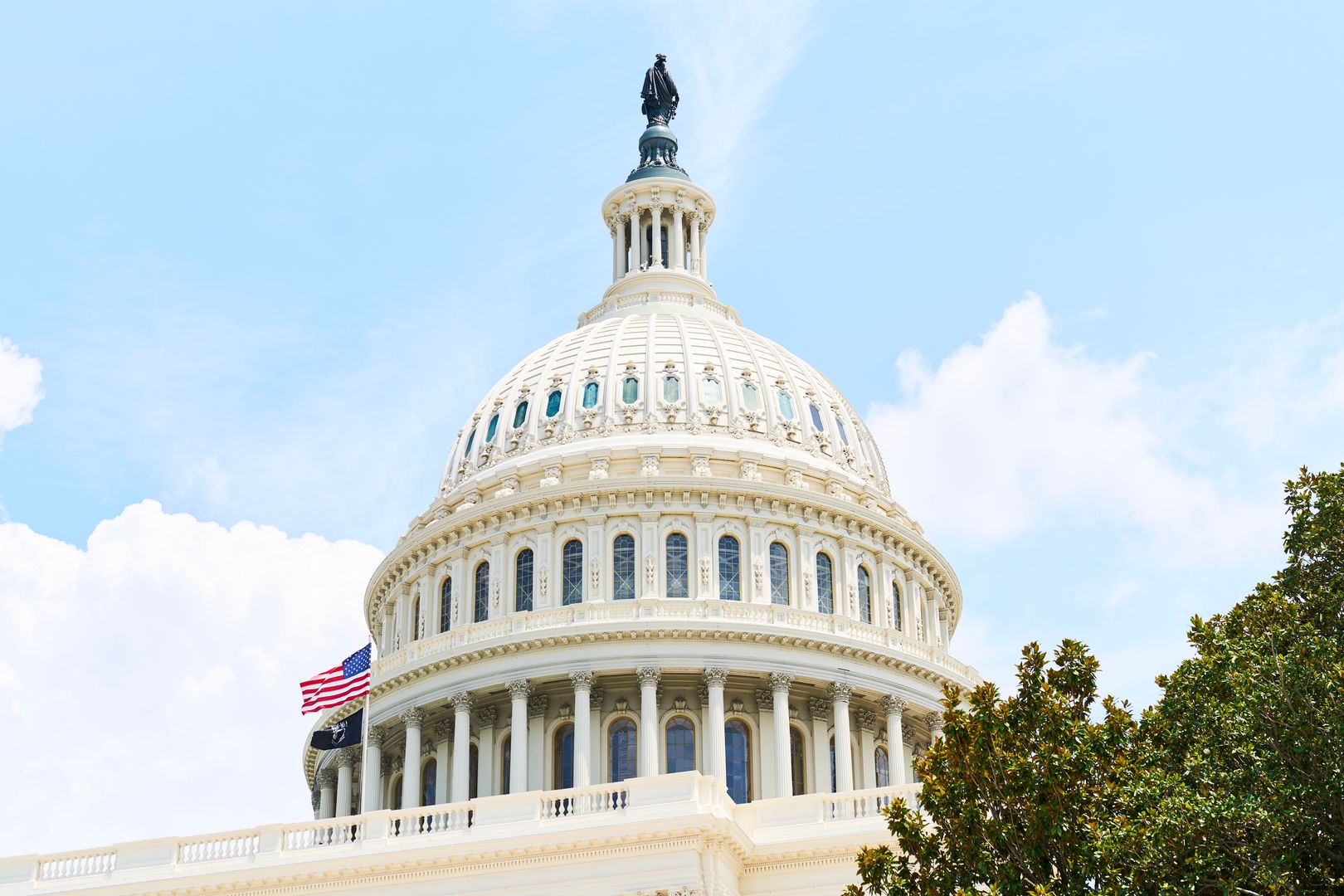
Illustration concept: An editorial digital illustration depicting a split scene of modern capital markets and cryptocurrency networks, featuring abstract glowing blockchain nodes connecting to classic financial pillars, professional blue and slate gray tones.
AI summary
The survival of regulated divisions during the downfall of FTX highlights the critical role of legal oversight in safeguarding digital asset markets. As traditional and crypto financial spheres continue to overlap, industry observers warn that stalling legislative efforts like the CLARITY Act leaves investors exposed.
Key takeaways
- Regulated divisions of FTX survived its collapse, demonstrating the protective power of legal oversight.
- The convergence of traditional finance and digital assets increases the necessity for statutory protections.
- The U.S. Senate's failure to pass the CLARITY Act leaves a major regulatory gap in digital asset markets.
- Industry leadership contends that federal legislation is essential to prevent future systemic failures.
The disastrous downfall of FTX remains a defining moment in the cryptocurrency sector, yet the survival of its legally regulated components offers a vital lesson for market oversight. Industry observers point out that while the offshore exchange unraveled under severe mismanagement, entities bound by strict statutory compliance rules managed to withstand the fallout.
This resilience serves as a compelling argument for establishing robust legal guardrails across digital finance. As traditional banking giants and institutional investors increasingly integrate digital assets into standard portfolios, the boundaries between legacy capital markets and blockchain technology continue to blur rapidly.
Despite this ongoing convergence, legislative progress in Washington remains stalled. United States senators failed to pass the CLARITY Act this week, setting back a measure specifically designed to extend traditional investor protections and structural safeguards to the digital asset ecosystem.
Market participants argue that delaying such legal frameworks creates unnecessary risk for the broader economy. According to perspective from exchange platform Bullish, establishing clear statutory rules is no longer an optional policy experiment, but an essential shield against future corporate failures.
Without comprehensive standards codified into federal law, the financial sector faces an uncertain landscape where regulatory adherence remains fragmented. Until lawmakers enact comprehensive oversight similar to the stalled bill, the mainstream market risks absorbing the very vulnerabilities that crippled unmonitored crypto platforms.
Frequently asked questions
- Why did certain parts of FTX survive its collapse?
- Entities operating under strict legal and regulatory mandates were required to follow compliance standards and protect client assets, shielding them from the parent company's breakdown.
- What was the purpose of the CLARITY Act?
- The bill was designed to establish clear statutory rules for digital assets, applying mainstream financial protections to the crypto ecosystem.
- How does crypto regulation impact traditional finance?
- As legacy financial institutions adopt blockchain tech and digital assets, structural risks in crypto can spill over into traditional markets without uniform oversight.
Source & transparency
- By:
- Jaffar
- Source:
- CoinDesk
- The Reviser publication:
- Aug 7, 2026, 2:30 PM
- Updated:
- Aug 8, 2026, 9:51 AM
This report was independently written by The Reviser editorial desk from verified source material. It is not original on-the-ground reporting by The Reviser.
Related articles

T ROWE PRICE MEMECOIN ETF
Why T. Rowe Price Added Memecoins to Crypto ETF
AI summaryT. Rowe Price has justified the inclusion of prominent memecoins within its newly designed cryptocurrency exchange-traded fund. The asset management giant argued that ignoring popular digital tokens based on ideology alone would compromise its active investment mandates.
SENATE ADVANCES CRYPTO BILL
US Senate Moves Crypto Clarity Act Forward
AI summarySenate leadership has set the stage for upcoming debate on proposed digital asset regulation by initiating initial legislative procedures. This strategic move preserves the opportunity for the Clarity Act to navigate a critical 60-vote threshold next month.
PATCH LIGHTNING NODES NOW
BTCPay Server Exploited: LND Users Warned to Patch
AI summaryBTCPay Server has instructed node administrators relying on the Lightning Network Daemon to update their software or disconnect immediately. The emergency alert follows an exploit that allowed unauthorized actors to extract administrative credentials and drain connected Bitcoin wallets.
XRPL TARGETS WALL STREET
XRP Ledger Proposes Privacy Upgrade for Wall Street Assets
AI summaryA proposed amendment to the XRP Ledger aims to introduce confidential transactions and encrypted balances for institutional users. The feature allows financial entities to hide sensitive transfer details while retaining audit access for regulators and issuers.