WHO Reveals DRC Ebola Outbreak Started Months Prior to Notice
DRC Ebola Outbreak Began Months Prior to Official Notice, WHO Reports
EBOLA DELAY REVEALED BY WHO
Illustration concept: A realistic news photography style shot of a healthcare worker in protective gear standing near a regional medical clinic in the Democratic Republic of Congo, soft natural lighting.
AI summary
The World Health Organization has revealed that an Ebola outbreak in the Democratic Republic of Congo was circulating for months before its formal declaration. Initial cases went undetected as medical staff misattributed symptoms to common regional illnesses like malaria and typhoid.
Why this matters
Misdiagnosing early cases of severe infectious diseases like Ebola creates critical delays in containment and response efforts. When health systems mistake deadly viral infections for endemic conditions such as malaria, transmission can spread unnoticed throughout communities. Identifying these diagnostic gaps helps international public health agencies refine surveillance protocols and prevent future undetected outbreaks.
Key takeaways
- The WHO stated that the Ebola outbreak in the DRC began months before it was officially declared.
- Initial cases of the virus were mistakenly identified as malaria and typhoid.
- Diagnostic confusion delayed public health containment and specialized testing protocols.
- High prevalence of local fevers continues to complicate early detection of viral hemorrhagic diseases.
An Ebola outbreak in the Democratic Republic of Congo had been actively spreading for months prior to its formal public announcement, according to findings released by the World Health Organization.
The delayed detection stemmed from initial clinical misclassifications. Medical personnel in the region originally attributed early patient symptoms to endemic tropical diseases, specifically malaria and typhoid fever, rather than recognizing them as Ebola virus infections.
According to reports from Al Jazeera, these early diagnostic errors obscured the true nature of the health crisis during its initial stages. Because conditions like malaria and typhoid are widespread across the country, early cases failed to trigger standard epidemic containment measures or specialized viral testing.
The World Health Organization's disclosure underscores the ongoing challenges local health systems face in identifying rare viral outbreaks amidst high background rates of other dangerous fevers. Timely identification remains vital for isolating infected individuals and halting transmission chains.
Frequently asked questions
- When did the Ebola outbreak in the DRC actually begin?
- According to the WHO, the outbreak started months prior to its official declaration after early cases were misidentified.
- Why was the Ebola outbreak not declared sooner?
- Health workers initially misdiagnosed the earliest Ebola cases as common regional ailments, specifically malaria and typhoid.
- Who reported these findings regarding the DRC Ebola outbreak?
- The World Health Organization disclosed the timeline and diagnostic missteps, as reported by Al Jazeera.
Source & transparency
- By:
- The Reviser Desk
- Source:
- Al Jazeera
- Original publication:
- Aug 10, 2026, 4:28 PM
- The Reviser publication:
- Aug 10, 2026, 4:28 PM
- Updated:
- Aug 10, 2026, 5:02 PM
This report was independently written by The Reviser editorial desk from verified source material. It is not original on-the-ground reporting by The Reviser.
Related stories
EBOLA OUTPACING HEALTH RESPONSE
WHO Warns Health Officials Are Lagging Behind Ebola Outbreak
AI summaryThe World Health Organization has issued a stark warning that response teams are currently trailing behind the rapid spread of the Ebola virus. Persistently high infection rates have intensified concerns that authorities are struggling to bring the outbreak under control.
THAI MP CONFESSES ON STREAM
Ex-Thai MP Confesses to Shooting Official on YouTube Stream
AI summaryFormer Thai lawmaker Chalong Riewrang publicly admitted to shooting a government official during a live YouTube broadcast. Reports from BBC World indicate that the unannounced confession occurred after he called directly into the streaming platform.
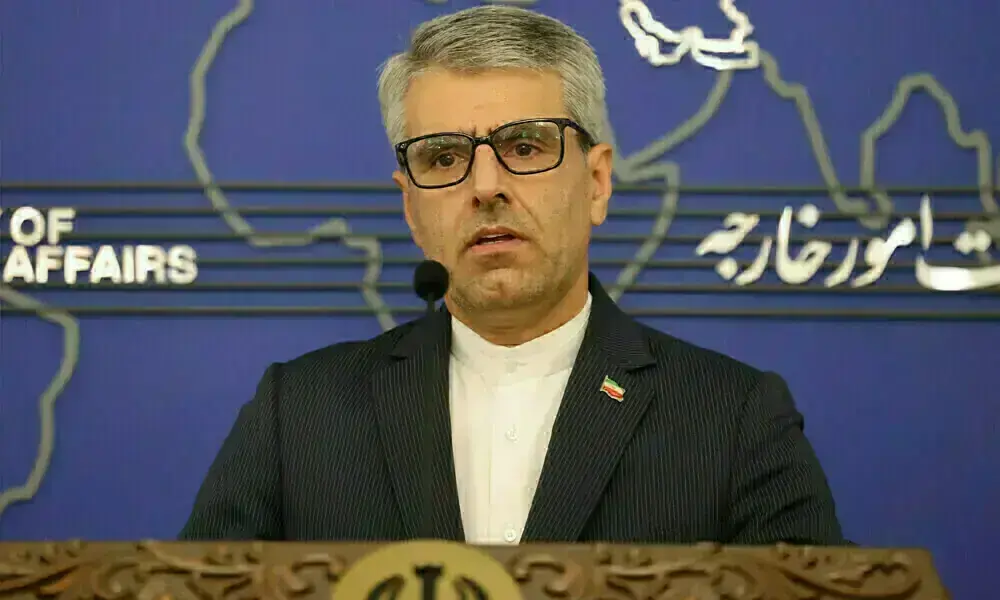
NO THREAT FROM PACT
Iran Downplays Threat from Saudi-Pakistan-Turkiye Pact
AI summaryIran's Foreign Ministry stated that Tehran does not perceive the new security alliance between Pakistan, Turkiye, and Saudi Arabia as a threat directed at its interests. Spokesperson Esmaeil Baghaei remarked that the agreement reflects a positive move toward regional self-reliance and collective defense against shared security challenges.

NOT A HUMAN BODY
Australian Suitcase Investigation Finds Lifelike Doll
AI summaryAn alarming discovery of a suspected human body inside a suitcase in Australia concluded after forensic analysis revealed the object was a highly realistic doll. Authorities confirmed that no human remains were involved following detailed technical testing.