Iran Downplays Threat from Saudi-Pakistan-Turkiye Pact
Iran Sees No Threat in New Security Pact Between Pakistan, Turkiye, and Saudi Arabia
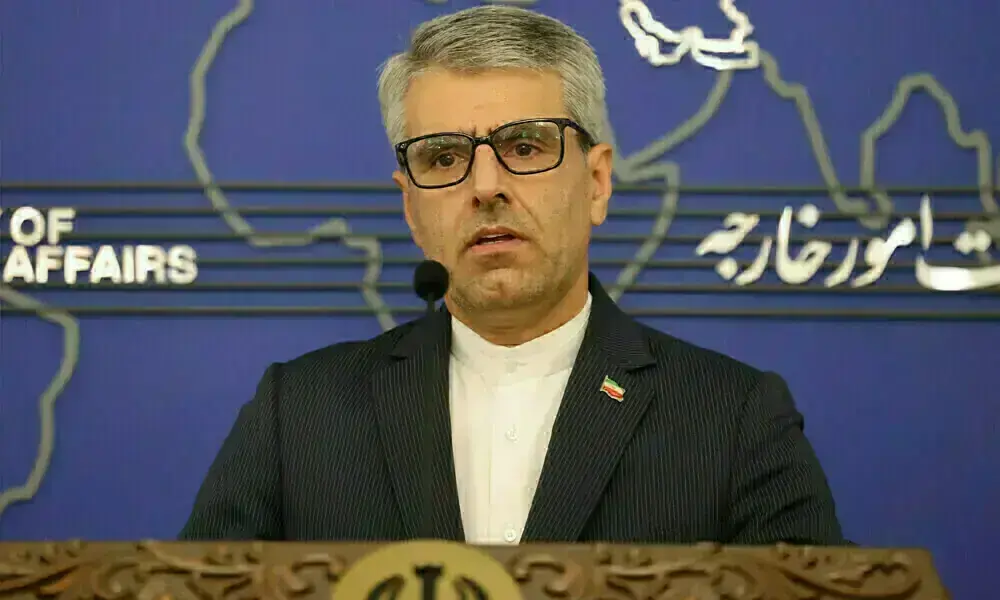
NO THREAT FROM PACT
Illustration concept: A diplomatic press briefing room with flags of Iran, Pakistan, Saudi Arabia, and Turkiye displayed in the background, professional editorial photography style.
AI summary
Iran's Foreign Ministry stated that Tehran does not perceive the new security alliance between Pakistan, Turkiye, and Saudi Arabia as a threat directed at its interests. Spokesperson Esmaeil Baghaei remarked that the agreement reflects a positive move toward regional self-reliance and collective defense against shared security challenges.
Why this matters
Iran's calm stance on the tripartite security arrangement prevents potential diplomatic friction in the region as Riyadh, Islamabad, and Ankara expand defense cooperation. By characterizing the pact as a step toward localized security independent of Western powers, Tehran aims to foster broader regional stability while reinforcing its own strategic priority of excluding external military interference.
Key takeaways
- Iranian Foreign Ministry spokesman Esmaeil Baghaei confirmed Tehran does not consider the Pakistan-Turkiye-Saudi pact a threat.
- Iran views the agreement as a positive shift toward regional self-reliance rather than dependence on Western powers.
- Baghaei stressed that alliances addressing regional realities can help deter instability and counter threats from Israel.
Tehran does not view the emerging trilateral security agreement between Saudi Arabia, Pakistan, and Turkiye as a threat aimed at its national interests, according to statements made by Iranian Foreign Ministry spokesperson Esmaeil Baghaei on Monday. Reports from Business Recorder highlight that the official welcomed the trend of regional nations forging independent defense arrangements rather than relying on external powers.
Baghaei emphasized that the cooperation agreement reflects a broader transformation in how Middle Eastern and South Asian nations approach national security. By leaning on internal capabilities and mutual pacts, countries in the region are taking greater ownership of regional defense dynamics.
According to the Iranian spokesperson, defense frameworks stand a strong chance of fostering regional stability if they reflect genuine historical and geopolitical realities. He noted that comprehensive alliances that correctly pinpoint primary regional threats—specifically identifying Israel and its international backers—can effectively counter security abuses and prevent further volatility.
The diplomatic reaction signals Tehran's desire to frame the tripartite arrangement as a constructive, localized security mechanism rather than an anti-Iran coalition. As Riyadh, Islamabad, and Ankara deepen defense coordination, Iran continues to advocate for diplomacy and regional self-determination as the foundation for long-term security.
Frequently asked questions
- What is Iran's official stance on the Pakistan-Turkiye-Saudi pact?
- Iran does not see the security pact as a threat directed against Tehran, welcoming it as a step toward regional self-reliance.
- Who announced Iran's position on the trilateral agreement?
- Iranian Foreign Ministry spokesperson Esmaeil Baghaei publicly outlined Tehran's position on Monday.
- What main security threat did Iran highlight regarding regional pacts?
- Iran emphasized that regional alliances should properly identify primary security threats, specifically referencing Israel and its allies.
Source & transparency
- By:
- The Reviser Desk
- Source:
- Business Recorder
- Original publication:
- Aug 10, 2026, 9:40 AM
- The Reviser publication:
- Aug 10, 2026, 9:40 AM
- Updated:
- Aug 10, 2026, 10:03 AM
This report was independently written by The Reviser editorial desk from verified source material. It is not original on-the-ground reporting by The Reviser.
Related stories
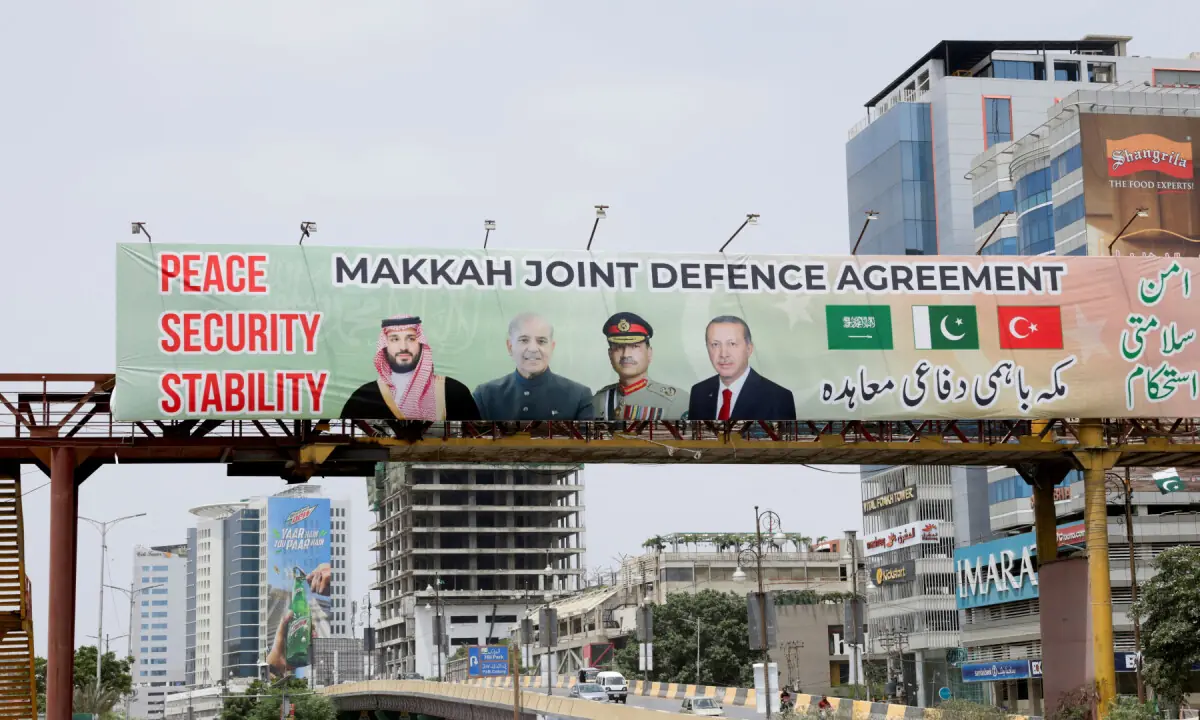
REGIONAL SECURITY SHIFT EXPLAINED
Iran Views Pak-Saudi-Turkiye Pact as Shift from US Security
AI summaryIran’s Foreign Ministry has characterized a newly signed trilateral defense pact among Pakistan, Saudi Arabia, and Turkiye as evidence of changing regional attitudes toward the United States. Tehran suggested that Middle Eastern and South Asian nations are increasingly rejecting external security guarantees in favor of localized collective deterrence.
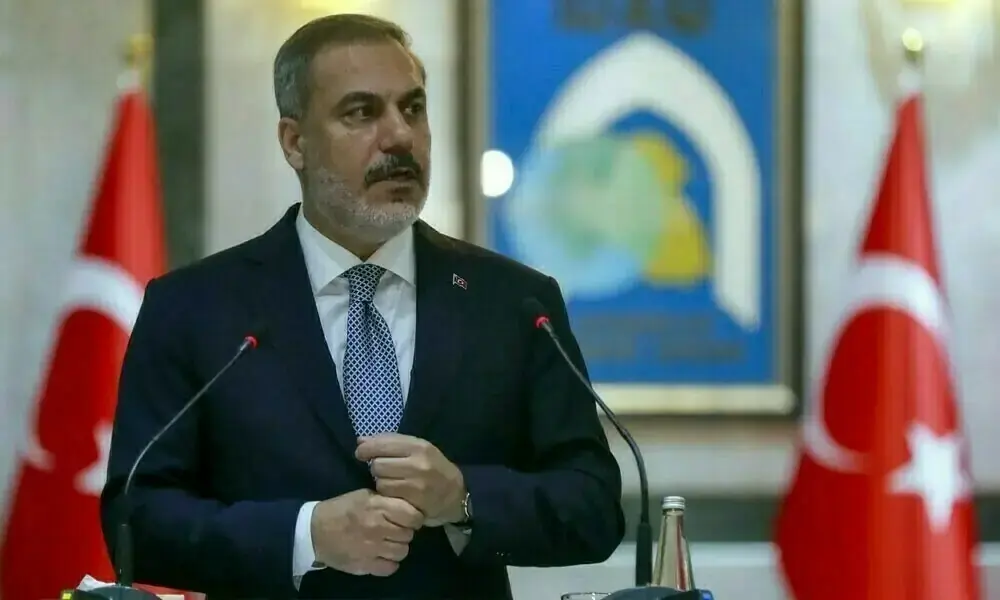
EGYPT TO JOIN DEFENSE PACT
Turkiye Anticipates Egypt Joining New Regional Security Accord
AI summaryTurkiye expects Egypt to join the newly established Mecca Joint Defence Agreement alongside Saudi Arabia, Pakistan, and Ankara. The regional security accord aims to foster stability amidst heightened conflict involving the US, Iran, and regional maritime disruptions.
GAZA PLAN REJECTED
Israel Rejects Gaza Peace Plan as US Waits on Iran
AI summaryIsrael has officially turned down a 15-point peace proposal aimed at resolving the conflict in Gaza. Meanwhile, the United States is maintaining indirect contacts with Tehran while prioritizing economic pressure against Iran.
US SHIFTS IRAN STRATEGY
US Shifts Iran Strategy Toward Sanctions and Blockade
AI summaryThe United States is adjusting its strategy toward Iran by emphasizing economic sanctions and naval blockades rather than initiating new military strikes. This posture comes as calm returns to energy markets, shielding American households from rising fuel costs.