WHO Reports Over 10,000 Healthcare Attacks Since 2018
Global Attacks on Healthcare Exceed 10,000 Since 2018, WHO Says
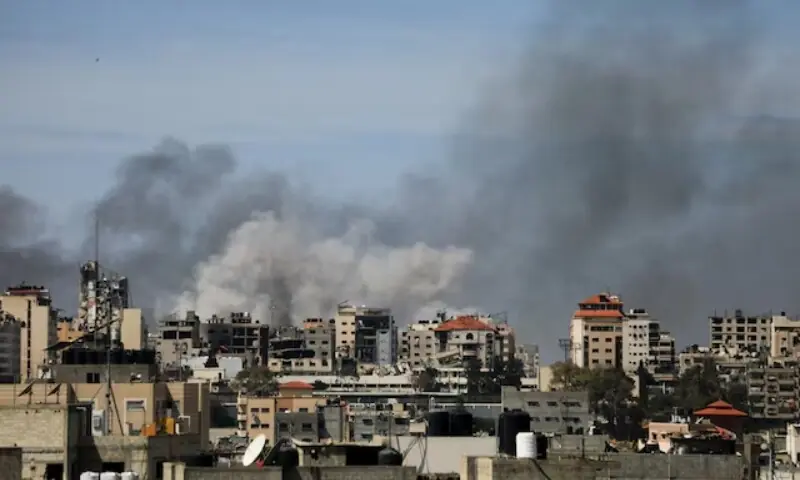
10K HEALTHCARE ATTACKS UNPUNISHED
Illustration concept: A damaged medical facility with an ambulance parked outside in a conflict zone.
AI summary
Since 2018, the World Health Organisation has documented over 10,000 attacks on healthcare infrastructure across 29 countries and territories. These violent incidents have resulted in roughly 5,700 deaths and 8,500 injuries, with no perpetrators brought to justice.
Why this matters
Protecting medical infrastructure during armed conflicts is essential for basic human survival and humanitarian response. A total lack of accountability for targeting clinics and doctors undermines global legal protections during emergency situations.
Key takeaways
- Over 10,000 attacks on healthcare recorded across 29 regions since 2018.
- Casualties stand at approximately 5,700 deaths and 8,500 injuries worldwide.
- Ukraine, Lebanon, and Palestinian territories account for most recorded incidents.
- Zero perpetrators have been brought to justice for these attacks.
More than 10,000 violent incidents targeting medical infrastructure and health workers have been recorded globally over the past six years, according to data released by the World Health Organisation on Friday. According to Dawn World, these incidents across 29 countries and territories have left approximately 5,700 people dead and another 8,500 injured since 2018.
The statistics were presented during a media briefing in Geneva by Altaf Musani, the director of the global health body's humanitarian and disaster management unit. He highlighted that the majority of these documented attacks were concentrated in Ukraine, Lebanon, and Palestinian territories. Despite the severe casualty count and widespread damage, not a single individual or organization has been brought to justice for these actions.
Addressing the persistent legal impunity surrounding these strikes, Musani noted that accountability mechanisms could extend beyond the national level to address international violations. WHO Director-General Tedros Adhanom Ghebreyesus has repeatedly underscored the fundamental stance that healthcare services, staff, and patients must never become targets under any circumstances.
While the agency maintains a systematic registry to verify and document incidents affecting medical operations worldwide, officials stressed that the organization does not attribute responsibility or assign blame. Because it functions as a global health body rather than an investigative authority, the agency relies on external legal bodies to pursue accountability for violations committed against medical teams.
Frequently asked questions
- Which regions experienced the majority of healthcare attacks?
- According to the WHO, the majority of documented attacks occurred in Ukraine, Lebanon, and Palestinian territories.
- Does the WHO investigate and assign blame for these attacks?
- No, the WHO verifies and records incidents but does not attribute blame because it is not an investigative agency.
Source & transparency
- By:
- The Reviser Desk
- Source:
- Dawn World
- Original publication:
- Aug 15, 2026, 3:28 AM
- The Reviser publication:
- Aug 15, 2026, 3:28 AM
- Updated:
- Aug 15, 2026, 9:18 AM
This report was independently written by The Reviser editorial desk from verified source material. It is not original on-the-ground reporting by The Reviser.
Related stories

LEBANON STRIKES HORMUZ TALKS
11 Killed in Lebanon Strikes as Iran-Oman Hormuz Talks Continue
AI summaryIsraeli military strikes have resulted in 11 casualties in Lebanon, marking the highest single-day death toll in the country since a truce was established in June. Simultaneously, diplomatic representatives from Iran and Oman are maintaining bilateral discussions concerning navigation and stability in the Strait of Hormuz.
GUN BUYBACK IN NSW
New South Wales Launches Gun Buyback Following Bondi Beach Attack
AI summaryAuthorities in New South Wales have announced a financial buyback program for firearm owners following a violent attack at Bondi Beach. The initiative aims to reduce the number of guns in circulation across the state by offering direct cash compensation.

AFGHAN REFUGEES UNCERTAIN FUTURE
Afghan Refugees Face Uncertain Future in Europe After Kabul Fall
AI summaryThousands of Afghans fled their home country following the collapse of the previous government in Kabul, with many seeking refuge across Europe. According to Al Jazeera, these displaced individuals now face an increasingly uncertain future amidst changing political landscapes.
11 KILLED IN LEBANON
11 Killed in Israeli Strikes on Hezbollah Targets in Lebanon
AI summaryIsraeli military strikes in southern Lebanon have killed 11 people, local authorities reported. Israel stated the raids targeted Hezbollah infrastructure following an action against its soldiers.