US Payment System Access for Licensed Banks Debated
Argument for Direct US Payment Rail Access for Qualified Banks
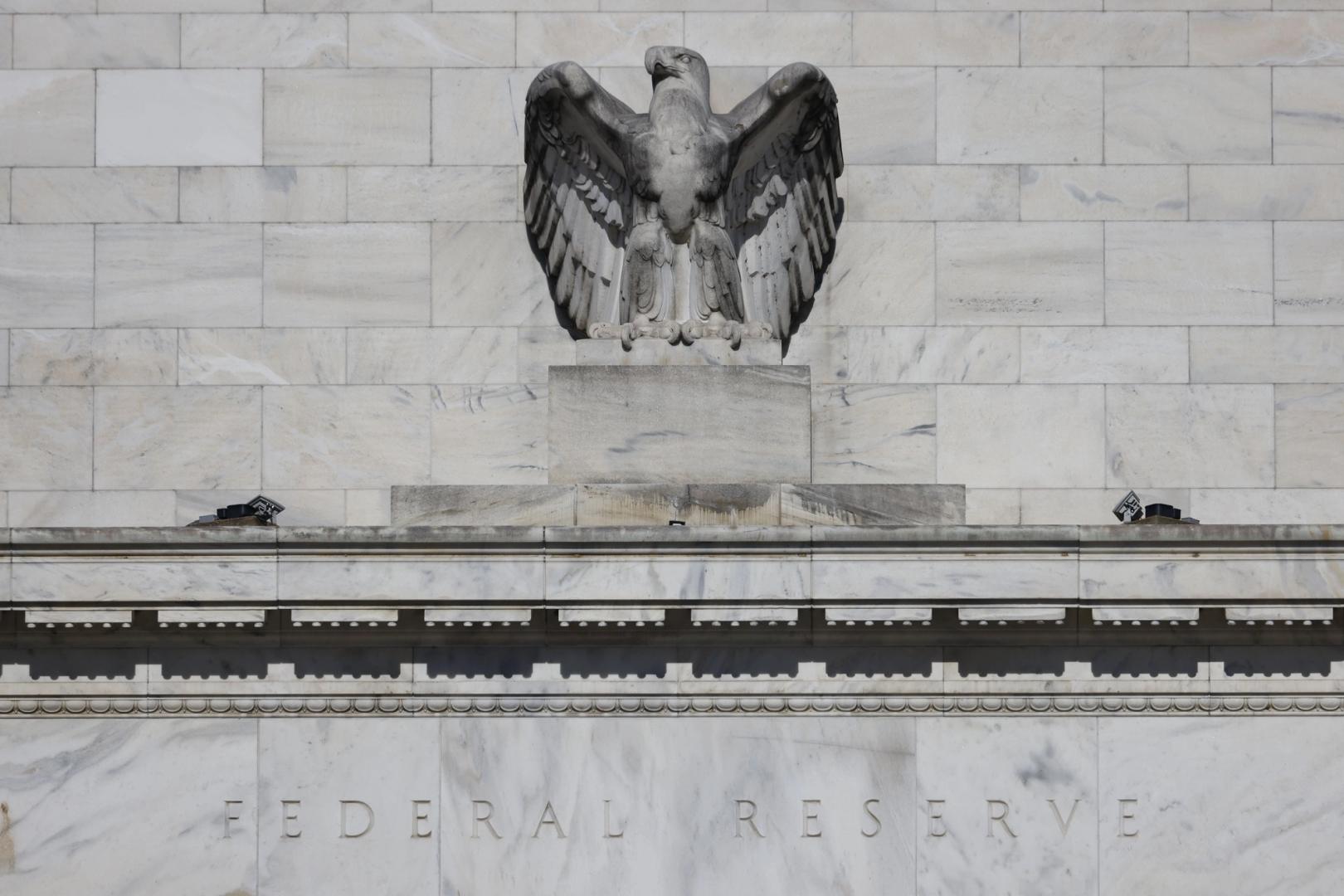
PAYMENT SYSTEM ACCESS DEBATE
Illustration concept: A high-tech digital concept illustration showing central banking infrastructure connected through glowing blue and gold payment rails, professional architectural style, 3D render.
CSS / PCS revision
Key points, takeaways and exam-style Q&A formatted as a printable one-file study pack.
AI summary
Rachel Anderika of Anchorage Digital has argued via CoinDesk that any institution meeting US banking standards deserves direct access to the nation's payment rails. The argument highlights ongoing debates surrounding fair access, regulatory oversight, and financial innovation across modern banking infrastructure.
Why this matters
Access to primary payment infrastructure is critical for digital asset firms and newly chartered institutions seeking operational efficiency. Restricted access forces firms into intermediary arrangements, raising costs and creating market inequities between traditional and novel banking models. Resolving payment rail equity has global ramifications for cross-border financial networks and fintech regulation.
Key takeaways
- Regulatory Equivalence: Institutions meeting federal banking criteria argue they should receive equal access to core payment rails without intermediary friction.
- Risk vs. Innovation: Central banks balance payment system security against the need to foster competition and digital asset integration.
- Regional Lessons for Pakistan: Developing economies face parallel challenges in connecting non-bank financial institutions to instant payment systems like Raast while maintaining systemic stability.
- Policy Conclusion: Standardized, transparent access protocols are essential to prevent tiering in national payment architectures.
In an opinion piece published by CoinDesk, Rachel Anderika of Anchorage Digital argued that any financial institution that successfully meets the stringent criteria to join the United States banking framework ought to be granted a direct and defined pathway into the national payment system. The commentary addresses ongoing structural friction where newly chartered or specialized financial firms face hurdles when seeking direct access to core payment infrastructure, such as Federal Reserve master accounts and primary transaction clearing networks.
Proponents of open payment architecture contend that denying or delaying access to qualified institutions creates an uneven playing field. When licensed banks are forced to clear transactions through legacy intermediary banks, operational costs rise, processing times increase, and counterparty risks compound. Advocates maintain that once an entity satisfies federal safety and soundness standards, withholding payment rail access effectively creates a multi-tiered banking structure that undermines statutory chartering authorities and disincentivizes compliance with federal standards.
Conversely, traditional banking advocates and risk regulators express caution regarding non-traditional business models, particularly those tied to digital assets and novel financial technology. Opponents of expedited access emphasize the necessity of safeguarding central bank clearing networks from operational, liquidity, and compliance vulnerabilities. From this perspective, rigorous vetting and restrictive access serve as vital protective barriers to insulate broader monetary networks from emerging systemic shocks.
For developing economies such as Pakistan and broader regional financial markets, this debate offers pertinent lessons. As Pakistan expands its digital payment rails through initiatives like Raast and seeks to integrate electronic money institutions and digital banks into the national clearing system, regulatory authorities face a similar balancing act. Establishing transparent, objective entry criteria for non-bank entities is critical to expanding financial inclusion while maintaining central bank oversight and systemic resilience.
Ultimately, a healthy financial ecosystem requires policy consistency between banking authorization and infrastructure access. Establishing clear, objective, and predictable access protocols ensures that regulatory compliance is rewarded with functional equality, preventing market distortion while upholding strict risk management standards across national payment systems.
Frequently asked questions
- What main point did Anchorage Digital's Rachel Anderika raise in CoinDesk?
- Anderika argued that any institution qualifying to participate in the US banking system should be granted a clear, direct path to national payment infrastructure.
- Why is direct access to national payment systems important for chartered institutions?
- Direct access eliminates dependency on third-party intermediary banks, reducing costs, operational delays, and counterparty risks for qualified institutions.
- How does payment rail access impact emerging markets like Pakistan?
- Emerging financial systems balance expanding payment access for fintechs and digital banks against regulatory risk controls to ensure overall financial stability.
Source & transparency
- By:
- The Reviser Desk
- Source:
- CoinDesk
- Original publication:
- Aug 12, 2026, 1:00 PM
- The Reviser publication:
- Aug 12, 2026, 1:00 PM
- Updated:
- Aug 12, 2026, 2:32 PM
This report was independently written by The Reviser editorial desk from verified source material. It is not original on-the-ground reporting by The Reviser.
Related stories

MONEY AND POLITICAL EXTREMISM
How Global Monetary Systems Fuel Inequality and Extremism
AI summaryRecent commentary from Project Syndicate highlights how the current global economic model generates extreme wealth disparity, public debt, and political instability. The analysis argues that systemic financial reform, including rethinking money as a private commodity, is crucial for long-term political and ecological stability.

AI BOOM OR BUBBLE?
AI Boom and Market Risks: Analyzing the Economic Impact
AI summaryAn analysis by NYT Opinion examines the dual nature of the artificial intelligence boom, highlighting high-stakes financial losses alongside its transformative economic potential. The debate over whether AI represents a speculative bubble underscores broader vulnerabilities for global markets and developing economies.

TAXES VS PUBLIC SERVICES
Pakistan Fiscal Crisis: Rethinking Tax Policy and Services
AI summaryBusiness Recorder Opinion highlights how Pakistan's annual budgetary reliance on revenue targets and debt expansion fails to fix deteriorating public services. The analysis emphasizes that perpetual tax adjustments without structural reform weaken the social contract between the state and its citizens.
AUTONOMY OR BEAUTY TRAP?
Feminism and Cosmetic Surgery: Autonomy Versus Beauty Standards
AI summaryRecent commentary in NYT Opinion highlights the shifting personal and societal attitudes toward cosmetic surgery. The discourse reflects an ongoing debate between structural critiques of aesthetic standards and modern assertions of personal agency.