US Midterm Prospects: Democratic Divisions and Polling Realities
Analyzing Democratic Midterm Challenges and Polling Miscalculations
DEMOCRATIC MIDTERM STRATEGY EXAMINED
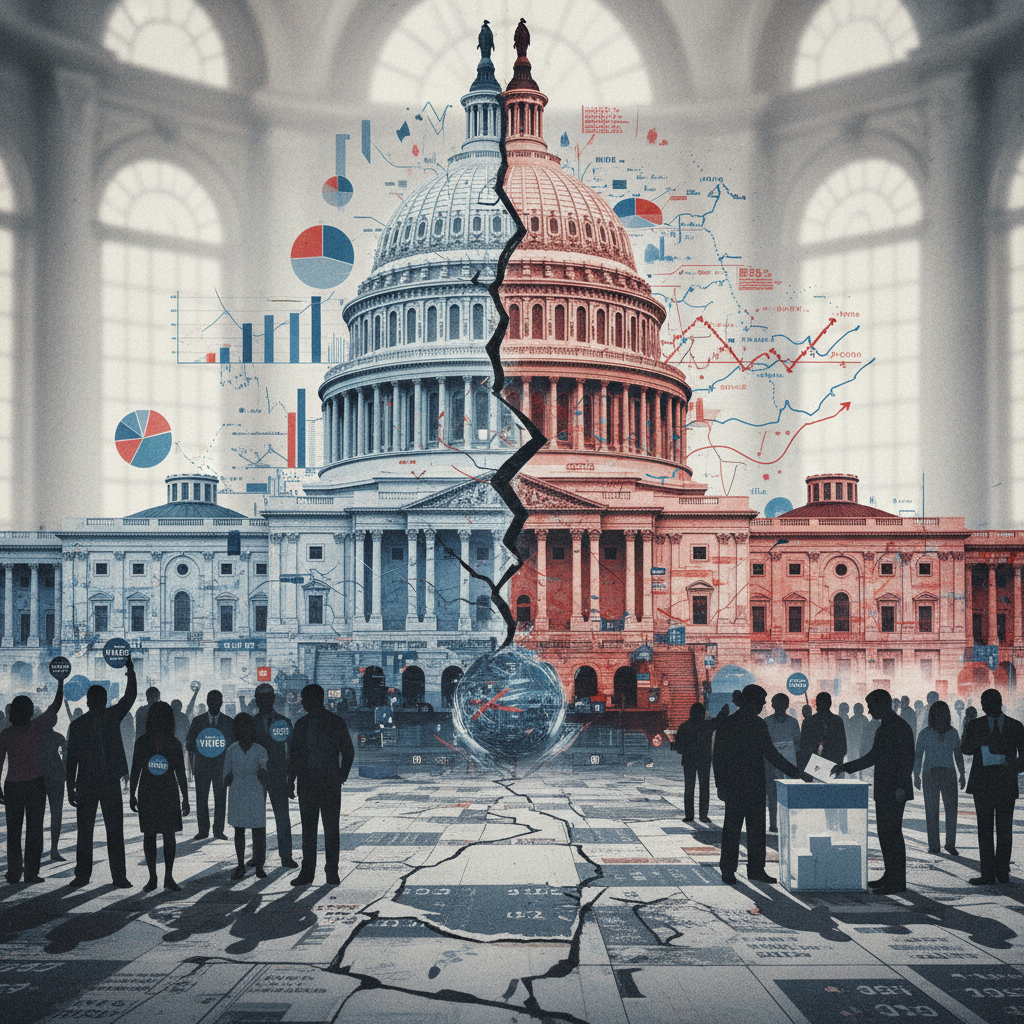
Illustration concept: An abstract illustration of the United States Capitol building split down the middle with electoral charts and voters.
CSS / PCS revision
Key points, takeaways and exam-style Q&A formatted as a printable one-file study pack.
AI summary
Recent political commentary from NYT Opinion highlights rising internal divisions within the Democratic Party ahead of the US midterm elections. The analysis points to polling inaccuracies and competing ideological strategies as key factors shaping party prospects.
Why this matters
Understanding US electoral dynamics provides critical insight into global diplomatic shifts and foreign assistance policy. For analysts in South Asia, congressional power balances directly influence regional security and bilateral trade engagements.
Key takeaways
- Internal party divisions between progressives and moderates complicate Democratic midterm campaign strategy and messaging.
- Systemic polling miscalculations create uncertainty for campaign strategists navigating tight legislative races across swing states.
- US congressional composition significantly impacts foreign policy continuity, trade initiatives, and international aid allocations.
The landscape of American midterm elections reflects deep strategic challenges within the Democratic Party, marked by internal ideological divisions and lingering questions regarding polling accuracy. According to commentary from NYT Opinion, recent political discussions have highlighted how party unity remains fragile while public attention shifts across diverse topics ranging from legislative priorities to high-profile personal disclosures, such as Representative Alexandria Ocasio-Cortez discussing her decision to freeze her eggs.
At the core of the debate lies the struggle between progressive ambitions and moderate electoral caution. Progressive leaders push for transformative policy reforms to energize the party base, whereas moderate members advocate for pragmatic governance to secure competitive swing districts. Compounding these internal tensions are recurring polling misses, which make accurate electoral forecasting difficult and force strategists to re-evaluate their voter outreach models ahead of critical legislative battles.
For international observers, particularly civil service aspirants analyzing global governance and foreign policy in Pakistan, shifts in US Congressional dynamics carry tangible diplomatic ramifications. A divided or reconfigured American legislature can alter foreign assistance allocations, climate finance commitments, and bilateral security dialogue in South Asia. Strategic continuity in Washington often hinges on which faction controls legislative agendas following midterms.
Ultimately, navigating midterm expectations requires the Democratic leadership to bridge internal policy divides while addressing the systemic challenges of voter polling reliability. A balanced approach that reconciles progressive energy with pragmatic swing-state appeals will determine whether the party can sustain its legislative majority and project consistent governance abroad.
Frequently asked questions
- How do internal Democratic divisions affect midterm prospects?
- Ideological splits between progressive reforms and moderate pragmatic appeals complicate unified campaign messaging, making voter mobilization across diverse swing districts more challenging.
- Why do US midterm outcomes matter for Pakistan?
- Congressional leadership shifts alter foreign policy priorities, international aid appropriations, and bilateral security cooperation, impacting Pakistan's diplomatic and economic engagement with Washington.
Source & transparency
- By:
- The Reviser Desk
- Source:
- NYT Opinion
- Original publication:
- Aug 15, 2026, 10:55 AM
- The Reviser publication:
- Aug 15, 2026, 10:55 AM
- Updated:
- Aug 15, 2026, 11:01 AM
This report was independently written by The Reviser editorial desk from verified source material. It is not original on-the-ground reporting by The Reviser.
Related stories

RED VS BLUE DIVIDE
US Political Polarization and the National Unity Debate
AI summaryDiscussions published by NYT Opinion highlight growing debates over whether intense ideological divides between American states could lead to political fragmentation. The commentary reflects broader public angst regarding democratic stability, foreign aid commitments, and national cohesion in a deeply polarized electorate.

TRUTH AND ACCOUNTABILITY
Political Accountability vs Reconciliation in Governance
AI summaryA recent commentary in NYT Opinion examines how attempts to rewrite history after political violence undermine genuine reconciliation. The analysis emphasizes that political stability requires rigorous legal accountability rather than political expediency.

HEALTH CARE POLICY DEBATE
US Health Care Debate: Examining Republican Policy Proposals
AI summaryAccording to NYT Opinion, Republican lawmakers are enacting policies that reduce healthcare affordability for American consumers. The debate highlights the ongoing ideological tension between market-driven fiscal conservatism and state-supported public welfare systems.

CIVIC AID VS WELFARE
Community Mutual Aid vs State Welfare: NYT Opinion Analysis
AI summaryAn analytical commentary by NYT Opinion highlights how community members step in when federal welfare programs face reductions. The dynamic underscores the delicate balance between state-sponsored social safety nets and local civic initiative.