US Inflation Rate Falls to 3.4% as Fuel and Food Prices Ease
July US Inflation Sinks to 3.4% Amid Declining Food and Energy Costs
US INFLATION DROPS TO 3.4%
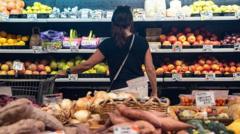
Illustration concept: A modern American grocery store display with price tags, realistic lighting, detailed shot of gas station price signs in the background, news style.
AI summary
Annual inflation in the United States fell to 3.4% in July, helped by lower fuel costs and moderating food prices. Persistent housing expenses, however, prevented a sharper decline in overall consumer inflation.
Why this matters
The moderation in price growth offers relief to households navigating high living costs. Shifts in annual inflation figures are critical indicators for central bank interest rate decisions, which directly affect consumer borrowing, mortgages, and global markets. However, stubborn shelter costs demonstrate that price pressures persist in essential daily expenses.
Key takeaways
- The annual United States inflation rate slowed to 3.4% in July.
- Decelerating food costs and cheaper fuel helped pull down headline inflation figures.
- Persistent housing costs kept consumer price metrics slightly elevated.
- Economic data was originally reported by BBC World.
Consumer price growth across the United States experienced a mild deceleration in July, bringing the annual inflation rate down to 3.4%.
According to reports from BBC World, the downward trend in the overall index was primarily driven by a slowdown in food price increases alongside lower fuel expenditures during the month.
Despite the general cooling across energy and grocery categories, persistent shelter expenses continued to exert upward pressure on consumer costs, keeping overall inflation from falling further.
Financial analysts monitor these monthly price adjustments closely as central bankers evaluate broader economic stability and future monetary policy directions.
Frequently asked questions
- What was the US annual inflation rate in July?
- The annual consumer inflation rate in the United States dropped to 3.4% in July.
- Which factors contributed to the decline in inflation?
- Slower increases in food costs and reduced fuel prices were the main drivers of the decrease.
- Why did inflation remain slightly elevated despite falling energy and food costs?
- Continued high housing costs kept prices slightly elevated, limiting the overall drop in inflation.
Source & transparency
- By:
- The Reviser Desk
- Source:
- BBC World
- Original publication:
- Aug 12, 2026, 2:09 PM
- The Reviser publication:
- Aug 12, 2026, 2:09 PM
- Updated:
- Aug 12, 2026, 2:30 PM
This report was independently written by The Reviser editorial desk from verified source material. It is not original on-the-ground reporting by The Reviser.
Related stories
US INFLATION DROPS TO 3.4%
US Inflation Drops to 3.4% in July as Food Prices Cool
AI summaryAnnual consumer inflation in the United States slowed to 3.4% in July as grocery and food expenditures moderated. However, sustained pressure from housing expenses prevented a sharper overall decline in price growth.
HIRING SLOWS TO 44K
US Private Hiring Slows to 44K in July: ADP
AI summaryPrivate sector hiring in the United States slowed significantly in July, with businesses adding just 44,000 workers to their payrolls. The weaker-than-expected figure was largely buoyed by the healthcare sector, which accounted for most of the monthly job growth.
JULY JOBS SHOCKER
July Jobs Report Analysis: Key Takeaways for Investors
AI summaryAmerican payroll growth unexpectedly contracted in July, introducing fresh uncertainty into the macroeconomic outlook. However, a slight decline in the headline unemployment rate provided a silver lining, leaving financial markets with a conflicting economic narrative.
INFLATION RISES TO 9.29%
Pakistan Weekly Inflation Rises 9.29% as Food Costs Surge
AI summaryWeekly inflation in Pakistan increased by 9.29 percent year-on-year, primarily propelled by rising costs for wheat flour, edible oil, and fuel transport. Meanwhile, federal authorities have ordered a nationwide quality audit of loose food products following high failure rates in packaged food testing.