US Inflation Drops to 3.4% in July as Food Prices Cool
American Inflation Decelerates to 3.4% in July Amid Relief in Food Prices
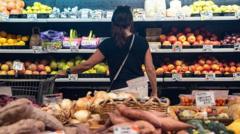
US INFLATION DROPS TO 3.4%
Illustration concept: A professional high-resolution editorial photograph of a modern American supermarket aisle next to a house key resting on price chart paper, soft studio lighting, macroeconomic concept.
AI summary
Annual consumer inflation in the United States slowed to 3.4% in July as grocery and food expenditures moderated. However, sustained pressure from housing expenses prevented a sharper overall decline in price growth.
Why this matters
The moderation in price growth offers central bankers and households a clearer view of economic stabilization following months of aggressive monetary tightening. Lower food expenditure provides immediate relief to everyday consumers, though sticky shelter costs highlight the ongoing challenges in fully reining in living expenses.
Key takeaways
- US annual inflation decelerated to 3.4% in July.
- Moderating food price increases contributed significantly to the lower headline figure.
- High shelter and housing overhead kept overall consumer price growth slightly elevated.
Economic data for July indicates that consumer price growth in the United States took a downward step, bringing the main annual inflation measure to 3.4%.
According to details reported by BBC World, the cooling trend was predominantly encouraged by a reduction in the rate of food price increases, granting financial respite to domestic consumers.
Despite the encouraging trajectory in grocery costs, elevated real estate and shelter expenses continued to exert upward force on overall consumer spending metrics, preventing a more pronounced decline.
The interplay between moderating food inflation and sustained housing overhead highlights a nuanced economic landscape as decision-makers monitor consumer purchasing power.
Frequently asked questions
- What was the US annual inflation rate in July?
- The annual inflation rate in the United States dropped to 3.4% during July.
- Which expense category helped slow down US inflation?
- A slowdown in food costs played a key role in easing consumer price pressure.
- Why did US inflation remain somewhat elevated?
- Persistent housing and shelter costs kept overall prices slightly higher despite gains in other sectors.
Source & transparency
- By:
- The Reviser Desk
- Source:
- BBC World
- Original publication:
- Aug 12, 2026, 1:13 PM
- The Reviser publication:
- Aug 12, 2026, 1:13 PM
- Updated:
- Aug 12, 2026, 1:31 PM
This report was independently written by The Reviser editorial desk from verified source material. It is not original on-the-ground reporting by The Reviser.
Related stories
US INFLATION DROPS TO 3.4%
US Inflation Rate Falls to 3.4% as Fuel and Food Prices Ease
AI summaryAnnual inflation in the United States fell to 3.4% in July, helped by lower fuel costs and moderating food prices. Persistent housing expenses, however, prevented a sharper decline in overall consumer inflation.
JULY JOBS SHOCKER
July Jobs Report Analysis: Key Takeaways for Investors
AI summaryAmerican payroll growth unexpectedly contracted in July, introducing fresh uncertainty into the macroeconomic outlook. However, a slight decline in the headline unemployment rate provided a silver lining, leaving financial markets with a conflicting economic narrative.
HIRING SLOWS TO 44K
US Private Hiring Slows to 44K in July: ADP
AI summaryPrivate sector hiring in the United States slowed significantly in July, with businesses adding just 44,000 workers to their payrolls. The weaker-than-expected figure was largely buoyed by the healthcare sector, which accounted for most of the monthly job growth.
JULY CPI UP 0.1%
July US Inflation Rate Hits 3.4 Percent as Prices Rise 0.1%
AI summaryAmerican inflation tracked expectations in July as the consumer price index registered a modest 0.1 percent monthly gain. The increment settled the annual inflation pace at 3.4 percent, according to CNBC Markets.