US Immigration Officers to Receive $20M Electric Shock Gloves
US Immigration Agency Purchases $20 Million in Shock Gloves for Enforcement Staff

US BUYS $20M SHOCK GLOVES
Illustration concept: A tactical gear close-up featuring heavy-duty enforcement gloves on a dark surface alongside an official federal badge, professional lighting, editorial news style.
AI summary
The United States immigration agency has arranged a $20 million procurement order for electric shock gloves intended for enforcement officers and agents. The equipment manufacturer maintains that the devices are safe when operated in accordance with proper procedures.
Why this matters
The deployment of electroshock devices to immigration personnel marks a substantial investment in specialized non-lethal equipment for federal enforcement officers. This procurement highlights evolving hardware strategies within border and deportation operations, drawing attention to officer safety protocols and restraint measures.
Key takeaways
- The US immigration agency is procuring $20 million worth of electric shock gloves.
- The gear is designated for deployment among enforcement officers and field agents.
- The equipment manufacturer asserts the devices are safe when used in line with proper instructions.
Federal immigration authorities in the United States are preparing to equip field personnel with specialized electric shock gloves following a major procurement deal, according to reports from BBC World.
The agency has committed $20 million toward purchasing the electroshock handwear for use by its enforcement officers and border agents during duty operations.
Addressing safety questions regarding the technology, the manufacturer asserted that the shock-delivering gloves are safe for operational deployment when utilized properly by trained personnel.
The multi-million-dollar acquisition represents a continued push by federal authorities to furnish agents with specialized hardware during immigration enforcement actions.
Frequently asked questions
- How much is being spent on the electric shock gloves?
- The US immigration agency is purchasing $20 million worth of electroshock gloves for its enforcement personnel.
- Who will be equipped with the shock gloves?
- The equipment is intended for United States immigration enforcement officers and agents working in the field.
- Does the manufacturer consider the shock gloves safe?
- Yes, the product's manufacturer states that the gloves are safe when operated according to proper guidelines.
Source & transparency
- By:
- The Reviser Desk
- Source:
- BBC World
- Original publication:
- Aug 12, 2026, 7:21 PM
- The Reviser publication:
- Aug 12, 2026, 7:21 PM
- Updated:
- Aug 12, 2026, 8:02 PM
This report was independently written by The Reviser editorial desk from verified source material. It is not original on-the-ground reporting by The Reviser.
Related stories

LUXON WINS CONFIDENCE VOTE
NZ Prime Minister Christopher Luxon Wins Party Confidence Vote
AI summaryNew Zealand Prime Minister Christopher Luxon has survived a second internal vote of confidence from his party. The leadership test arrives just 12 weeks before the country's upcoming general election.
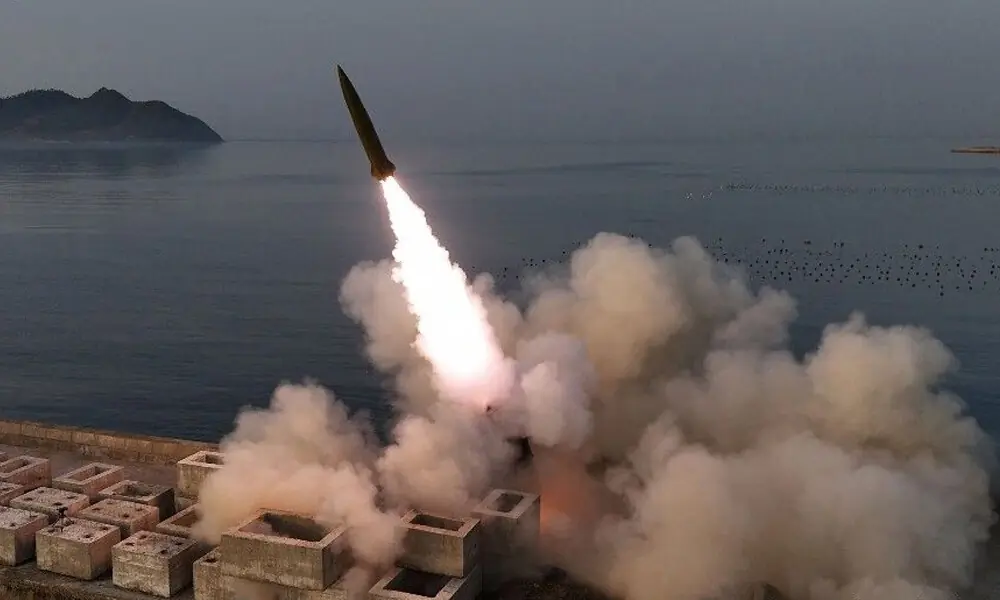
NORTH KOREA FIRES MISSILE
North Korea Launches Ballistic Missile Ahead of US Drill
AI summaryNorth Korea launched a ballistic missile from its eastern coast toward the Sea of Japan early Wednesday, according to military officials in Seoul and Tokyo. The launch comes just days before South Korea and the United States begin their annual 11-day joint military exercises.

CEASEFIRE TALKS DENIED
Iran Denies Talks with US to Extend Interim Ceasefire Deal
AI summaryTehran has dismissed reports claiming it is negotiating a ceasefire extension with Washington, asserting that the original pact never legally went into effect. The denial contradicts earlier media reports suggesting Pakistan had successfully brokered an extension to the June interim agreement.

GRAIN EXPORTS DROP IN ATTACKS
Black Sea Port Attacks Trigger Drop in Grain Exports
AI summaryAgricultural exports from Russia and Ukraine are declining as both nations intensify military strikes on Black Sea shipping facilities. The reciprocal attacks have targeted critical port infrastructure, impacting major grain export terminals.